

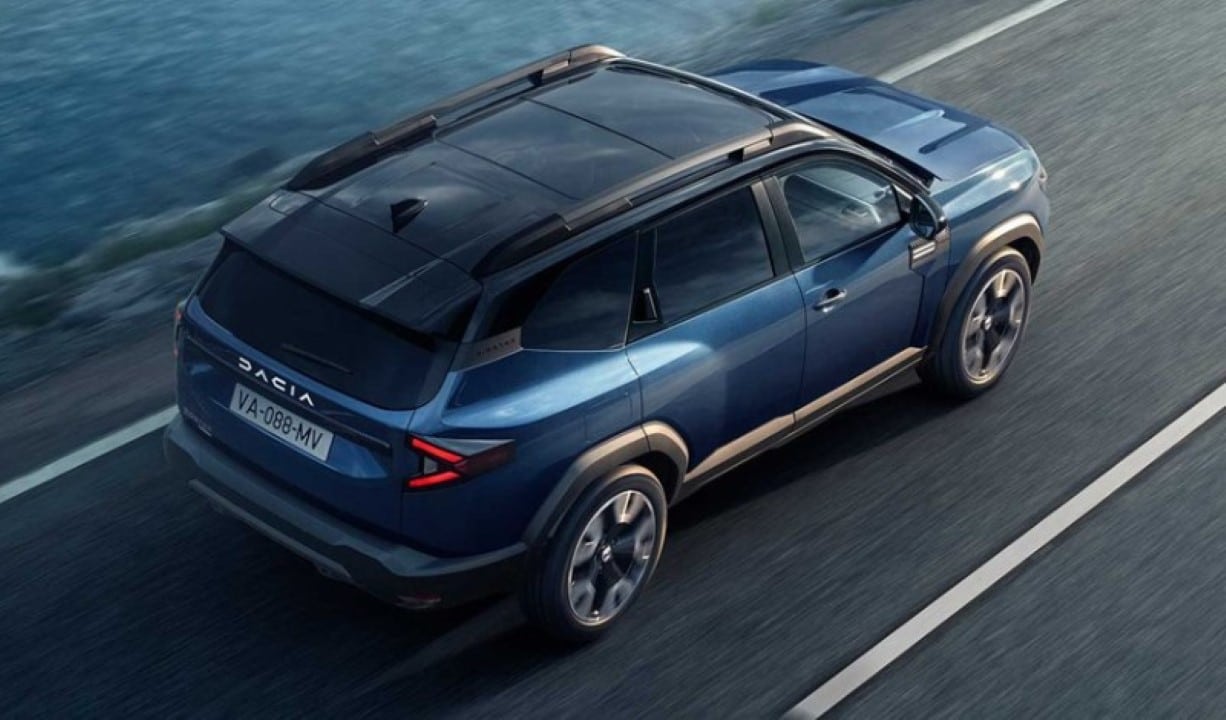
Automotive manufacturer Dacia has officially presented its latest propulsion architecture aimed at the larger SUV segment. The new technology combines intelligent electrification with a fuel bivalence system, aiming to offer extremely long running capacity without the need for frequent stops for refueling, in addition to guaranteeing all-wheel drive without traditional mechanical connections.
Mechanical innovation and performance
The heart of this new mechanical package, called Hybrid 155, is a 1.2-liter combustion engine that generates 140 horsepower, working in conjunction with a rear electric unit. Diferente of conventional systems, there is no physical cardan shaft connecting the axles; rear-wheel drive is provided exclusively by the electric motor, which reduces the vehicle’s total weight and improves energy efficiency, allowing faster and more precise torque management on difficult terrain.
The compact 0.84 kWh battery is designed to keep weight low while serving as a buffer for the high voltage system. Electronic management prioritizes electric traction at low speeds and during maneuvers, ensuring that torque is available instantly. The multi-mode automatic transmission, which operates without a conventional clutch, manages gear changes for both the thermal and electric engines, optimizing consumption in any driving scenario.
Extended autonomy and benefits
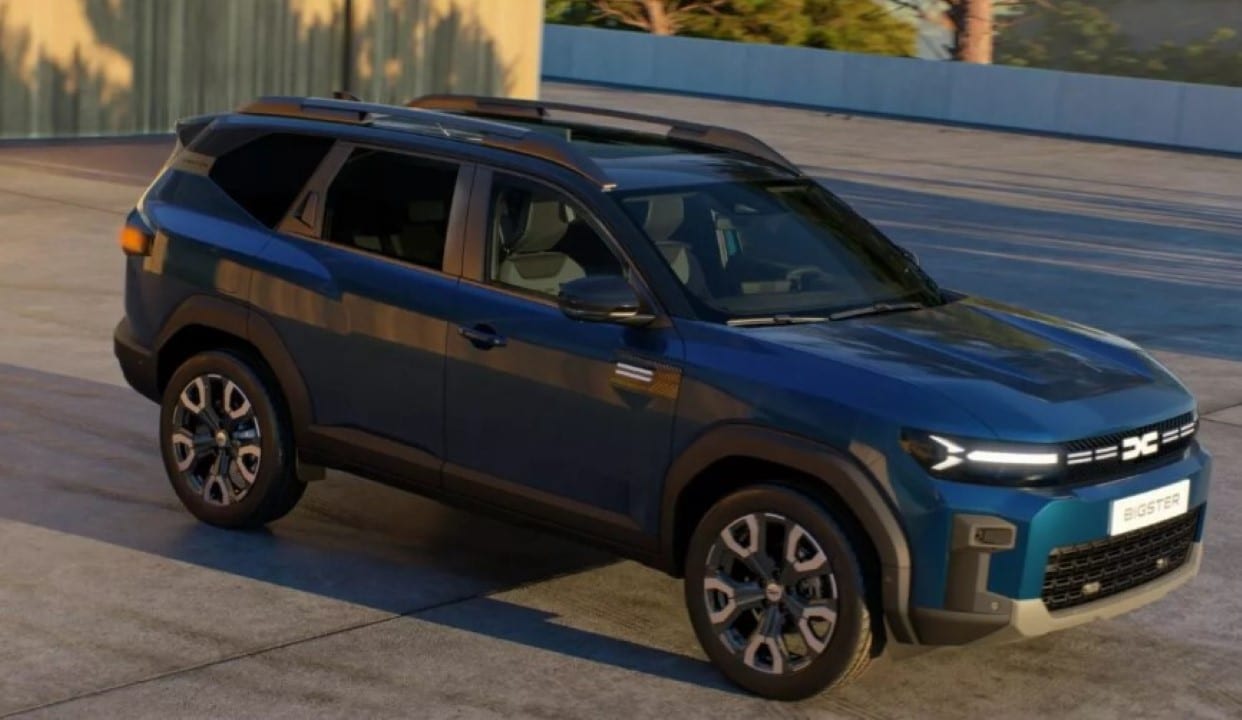
The big difference of the Bigster model equipped with this technology is the integration of two independent fuel tanks, one for gasoline and the other for Gás Liquefeito and Petróleo (LPG), both with a capacity of 50 liters. Essa configuration allows the vehicle to switch between fuels and, added to the efficiency of the hybrid system, achieve impressive distance marks for a vehicle in this category.
Among the main operational advantages declared by the brand for this system, the following points of efficiency and usability stand out:
– The total combined range can exceed 1500 kilometers without refueling.
– The use of LPG can reduce operating costs by up to 30% depending on the local market.
– The system allows you to run up to 60% of the time in all-electric mode on urban routes.
– The reduced emissions classification facilitates access to low emission zones in large cities.
Market context and launch
This engine represents a significant leap compared to the brand’s previous engines, increasing the combined power to around 155 horsepower and meeting the strict Euro 7 emissions standards in advance. The strategy aims to position the new SUV as a robust and economical alternative for families and fleets that require versatility and low cost per kilometer driven.
Those interested in the new model should wait for the official opening of orders, scheduled to take place at the end of 2026. The first units with this specific engine configuration and all-wheel drive should reach dealerships and customers in early spring 2027, consolidating the manufacturer’s expansion in the competitive medium SUV market.



