
Players report serious errors after new update for Square Enix’s classic RPG on the Steam platform

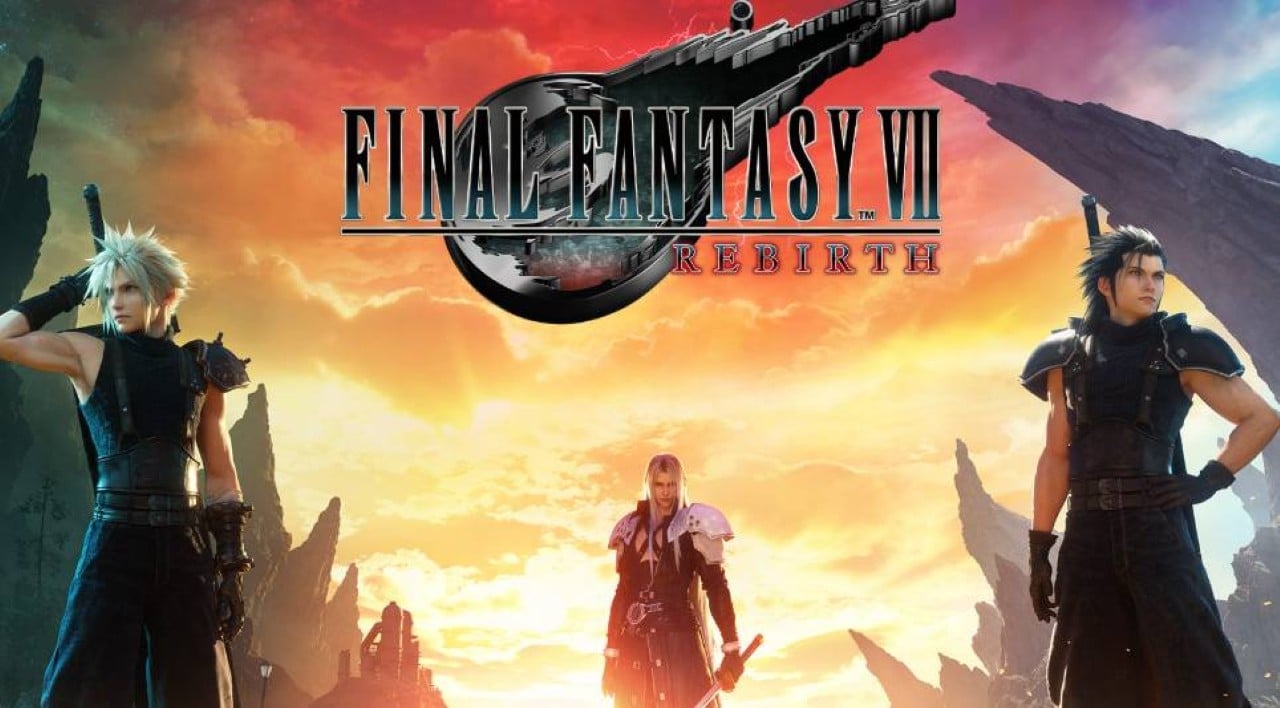
The computer gaming community faced significant instability this week with the modification of a renowned title in the RPG genre. On February 24, Square Enix made available a technical review for the acclaimed Final Fantasy VII in the Steam virtual store, replacing the edition previously sold since 2013. The update was offered free of charge to owners of the old version, with the promise of aligning the game with modern standards of functionality and accessibility.
The launch, however, was marred by a series of immediate technical difficulties that frustrated the user base. Relatos initially pointed out that the software had critical execution flaws, preventing the game from starting on various hardware configurations or requiring an external launcher that conflicted with input commands. The expectation of visual and performance improvements contrasted with the reality faced by consumers in the first hours of availability.

Given the significant volume of complaints registered on the forums and in store reviews, the developer acted quickly to mitigate the damage to the players’ experience. An emergency correction was distributed on the release date to resolve the most severe impediments that blocked access to the content, although other polishing issues remained pending definitive resolution.
Sync failures and graphics issues
The change in the frame rate per second, increased from 15 to 30 in battles, generated side effects not foreseen in the original animation programming. Combat began to occur at an accelerated and uneven speed, resulting in a loss of precision in commands and in the execution of blows. Além Furthermore, the sound effects and audio tracks lost synchronization with the characters’ movements on the screen, creating a dissonance that harmed the work’s characteristic immersion.
Another point of severe criticism involved the visual quality presented in the new compilation of the game. Diversos users noticed that the textures of the scenarios and models appeared less sharp and more blurred when compared to the 2013 version. The absence of optional graphic filters and the occurrence of tearing in the image when moving around the open world contributed to the negative perception of the remastering work carried out.
Resolution settings have also proven ineffective for many modern monitors, maintaining a fixed aspect ratio that does not scale correctly with current equipment. The promise of visual flexibility did not fully materialize, leaving a significant portion of players dissatisfied with the customization options available in the system menu.
Implementing resources to facilitate progress
Despite the technical problems, the update introduced quality-of-life tools that had been requested by fans for a long time. The auto-save system has been incorporated to ensure that narrative progress is preserved without the need for constant manual intervention at save points. Essa addition aims to modernize the game structure, making it more friendly for quick sessions or unexpected events.
New optional cheat features have also been natively integrated into the platform’s game client. Players now have the option to disable random encounters on the map, allowing exploration focused solely on the story and scenarios. Adicionalmente, a triple speed mode has been included that accelerates movement and actions, ideal for moments of repetition or long walks.
Battle Enhancement offers instant health and magic recovery, as well as automatic filling of the limit bar. Essas functions, which already existed in versions for consoles and mobile devices, now arrive on PC to offer a customizable experience for both newcomers and veterans who just want to revisit the plot.
Repercussion and community response
The reception of the new version on the Steam platform reflected general discontent with the technical state of the product at launch. User reviews quickly plummeted, reaching a mostly negative level, with only around 36% approval in initial reviews. The direct comparison with the stability of the 2013 version, which was removed from the store for new buyers, served as the basis for many of the criticisms made by consumers.
The correction released by Square Enix managed to stabilize the speed of battles and correct specific errors, but it did not completely silence questions about the quality control process. The community remains attentive to future announcements and updates that could resolve texture issues and the mandatory launcher, elements that continue to be cited as barriers to an ideal experience with the 1997 classic.



