

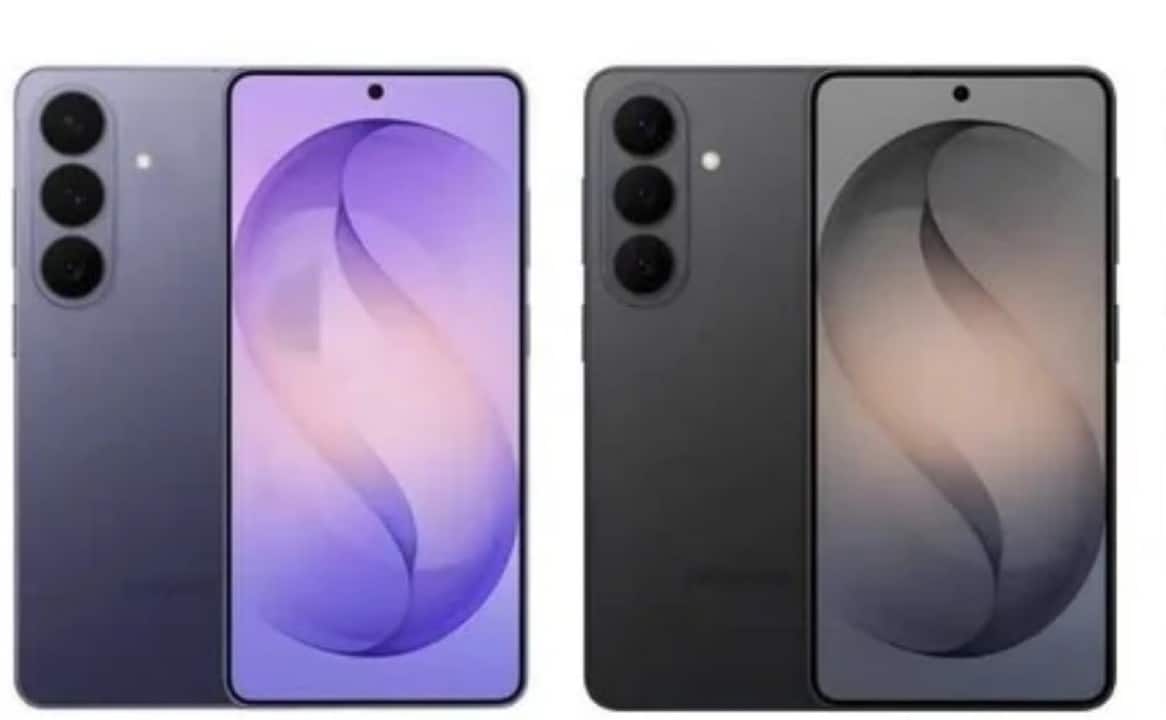
Samsung announced that the global memory shortage directly influenced the prices of the Galaxy S26 line. Executive Won-Joon Choi explained that demand for semiconductor components, driven by the artificial intelligence sector, has created an imbalance in the supply chain. Esse scenario affected production costs and resulted in selective readjustments in retail values.
In the Brazilian market, the base model of the Galaxy S26 maintained its starting price at R$7,499 for the 256 GB version, but the 512 GB variant rose to R$9,099. Já the S26 Plus saw a more significant increase, with the 512 GB configuration reaching R$10,799, a jump of R$1,300 compared to its predecessor. The S26 Ultra, in turn, took a different approach, with the 256 GB version launched for R$11,499, R$500 below the previous model.
Projections indicate that the smartphone sector will face a 12.9% drop in global shipments in 2026, according to data from IDC. Essa pullback reflects prioritization of components for AI data centers by memory manufacturers. Empresas as well as Qualcomm have warned in quarterly reports about the AI industry’s growing appetite for semiconductors, which limits availability for mobile devices.
Reasons for component shortages
The demand for DRAM memory has grown exponentially due to the expansion of artificial intelligence infrastructures. Grandes technology companies concentrate the production of chips for servers and data centers, reducing supply for the consumer market. Essa dynamics increased material costs by up to 30% at the end of 2025, with persistent impacts into 2026.

Manufacturers such as Samsung, SK Hynix and Micron have adjusted priorities to fulfill contracts with AI providers, which has worsened shortages for smartphones. Relatórios point out that the average price of cell phones is expected to rise 14% globally this year. No Brasil, the adjustment can reach 20% in intermediate and basic models.
Strategies adopted by Samsung
The company chose to pass on costs selectively in the models in the Galaxy S26 line. The focus on premium variants, such as the Ultra, allows us to maintain profit margins despite pressures on the supply chain. Essa tactic preserves sales volumes in high value-added segments.
Investments in internal chip production, such as the Exynos 2600, help mitigate external dependencies. Samsung has increased manufacturing of the S26 Ultra by 50% to offset price fluctuations. Essa measure guarantees availability in key markets without compromising the quality of the devices.
Analysts note that the transition to proprietary processors improves long-term cost efficiency. However, dependence on global suppliers for memory remains a challenge. The company monitors the market for future pricing adjustments.
Technical details of the models
The Galaxy S26 has a 6.3-inch Dynamic AMOLED 2X screen with FHD+ resolution, in addition to a refresh rate of 120 Hz. Seu Exynos 2600 processor operates with 12 GB of RAM and 256 GB or 512 GB storage options. The 4,300 mAh battery supports 25W charging.
The camera set includes a 50 MP main sensor, a 12 MP ultrawide sensor and a 10 MP telephoto sensor with 3x zoom. IP68 certification guarantees resistance to water and dust. Dimensões compact measuring 71.7 x 149.6 x 7.2 mm and weighing 167 g make daily use easier.
The S26 Plus increases the screen to 6.7 inches with QHD+ resolution, maintaining the same processor and 12 GB of RAM. Armazenamento similar, but 4,900 mAh battery with 45W charging. Câmeras identical to the base model, with Wi-Fi 7 and Bluetooth 5.4 connectivity.
Dimensions of 75.8 x 158.4 x 7.3 mm and weight of 190 g position the device as an intermediate option. One UI 8.5 over Android 16 optimizes multitasking capabilities. Atualizações software promises support for seven years.
Impacts on the global market
In the Estados Unidos, the base Galaxy S26 costs US$899, an increase of 4.7% over its predecessor, while the Plus reaches US$1,099, an increase of 10%. Ultra keeps prices unchanged to preserve competitiveness. Essa strategy reflects the need to balance costs with consumer demand.
At Coreia from Sul, the base model rose 8.6%, signaling regional pressures in the supply chain. Analistas predict that emerging markets, such as Brasil, will feel more pronounced impacts due to currency fluctuations. The shortage affects not only smartphones, but also notebooks and PCs.
Projections indicate that the crisis could last until 2027, with a gradual recovery in supply. Fabricantes diversify suppliers to reduce risks. Samsung explores partnerships with alternative foundries to stabilize production.
The gaming sector is also feeling the effects, with possible delays to consoles like the PS6. Empresas adjust strategies to prioritize energy efficiency in components. Consumidores face choices between premium models and more affordable options.
Innovations in the Galaxy S26 line
The integration of advanced AI resources justifies part of the hardware investments. The S26 Ultra incorporates an integrated privacy screen and enhanced vapor chamber cooling system. Esses elements improve the experience in intensive tasks like video editing and gaming.
The Snapdragon 8 Elite Gen 5 processor in the Ultra delivers superior performance, with 12GB or 16GB RAM options. Armazenamento up to 1 TB serves professional users. Câmeras quad cameras include a 200 MP main sensor and a 50 MP ultrawide sensor, with 3x and 5x optical zooms.
The 5,000 mAh battery with 60W charging guarantees extended autonomy. Dimensões measuring 78.1 x 163.6 x 7.9 mm and weighing 214 g give the device robustness. Recursos as NFC and 5G connectivity complete the technical package.
Comparison with competitors
Models like the Apple iPhone resist shortages better due to priority contracts with suppliers. Samsung competes by emphasizing unique innovations like the custom One UI. Preços global averages for premium smartphones stabilize around US$1,000.
In Brasil, financing options facilitate acquisitions despite adjustments. Consumidores migrate to variants with more storage to justify costs. The Galaxy S26 line positions itself as a reference in photography and multitasking performance.
Outlook for the sector
The industry adjusts production volumes to align with component availability. Investimentos in semiconductor factories grow to meet future demands. Governos encourage diversification of supplies to avoid regional dependencies.
Consumers benefit from early launch promotions to mitigate price impacts. Samsung plans expansions in Asian markets to offset declines in global shipments. Tendências indicate a focus on sustainability in manufacturing processes.
Regional pricing analysis
In Brazilian retail, the 1 TB S26 Ultra reaches R$15,499, reflecting high import costs. Comparado to European markets, where prices in euros follow similar patterns, the exchange rate adjustment worsens the perception of increases. Estratégias selective pricing protects inbound segments.
Local distributors offer accessory packages to add value. The demand for models with integrated AI sustains sales despite the increases. Relatórios point out that the average price of cell phones in Brasil will rise by 15% in 2026.
Effects on the supply chain
Memory suppliers prioritize long-term contracts with AI companies, limiting allocations to consumer electronics. Isso results in delays in production on lines such as Galaxy S26. Samsung trades larger volumes to ensure stability.
Global initiatives aim to expand manufacturing capacity in regions such as Ásia and Estados Unidos. The crisis stimulates innovations in chip efficiency, reducing energy consumption. Empresas diversify portfolios to include hybrid storage solutions.
The impact extends to peripherals, such as headphones and chargers, with moderate adjustments. Consumidores adapt purchasing habits, opting for less frequent upgrades. The industry monitors developments in demand for AI to predict recoveries.
Exclusive features of the S26 Ultra
The top-of-the-line model stands out for its advanced camera set, with optical stabilization across multiple lenses. The 6.9-inch screen reaches a maximum brightness of 2,600 nits, ideal for outdoor use. Integração with Samsung ecosystem optimizes synchronization with wearables.
Software updates include AI-based editing tools for photos and videos. IP68 certification ensures durability in harsh environments. Recursos security features like enhanced facial recognition elevate data protection.
Consumer trends
Users prioritize devices with long-lasting batteries and versatile cameras. The Galaxy S26 line meets this demand with balanced configurations. Pesquisas indicate that 60% of buyers consider AI as a decisive factor in purchases.
Emerging markets see growth in online sales, facilitating access to premium models. Seasonal Promoções mitigate the effects of high prices. Samsung expands distribution channels to reach more regions.
Operational challenges
Production faces logistical bottlenecks due to global disruptions. The company implements strategic inventory protocols to minimize delays. Parcerias with carriers optimize deliveries within short deadlines.
Investments in research aim at more efficient components for future lines. The crisis accelerates transitions to 3nm technologies in processors. Equipes internals monitor market fluctuations for quick adjustments.
The electronics sector adapts with a focus on sustainable innovation. Consumidores benefit from more robust products in the long term. Samsung leads in integrating AI into everyday uses.
Cooling innovations
The vapor chamber system in the S26 Ultra dissipates heat during intense tasks. Essa technology maintains stable performance in games and editions. Comparado to predecessors, improved cooling extends battery life.
Tests indicate a 15% reduction in operating temperatures. Usuários report smoother multitasking experiences. The feature integrates with the slim design, without compromising ergonomics.
Storage Options
256 GB variants serve basic uses, while 1 TB supports content professionals. Expansion via the cloud complements physical limitations. Preços reflects memory costs, with moderate adjustments at higher configurations.
Consumers assess needs before purchasing. Samsung offers data migration tools for smooth transitions. Armazenamento fast UFS 4.0 speeds up file access.
Advanced connectivity
Support for Wi-Fi 7 and Bluetooth 6.0 guarantees high speeds. NFC facilitates mobile payments. The Galaxy S26 line integrates with 5G sub-6 and mmWave networks for broad coverage.
Users in urban areas benefit from low latencies. Atualizações over-the-air optimize connections. Recursos as an eSIM expands flexibility in international travel.
Sustainability in devices
Recycled materials make up parts of the structure. Samsung is committed to reducing carbon emissions in production. Embalagens minimized reduces waste.
Recycling programs encourage returns of old devices. Consumidores value ecological brands in purchasing decisions. The line contributes to global sustainability goals.
Brazilian market in focus
Initial sales indicate acceptance despite prices. Lojas online records spikes in searches for Galaxy S26. Financiamentos in up to 24 installments facilitate acquisitions.
Compared to competitors, Samsung stands out in local support. Eventos of launch drives engagement. Analistas predict price stabilization in the second half of the year.



