

A joint military operation between Estados Unidos and Israel struck strategic targets in Irã last Saturday, marking an unprecedented escalation in Oriente Médio tensions and altering power dynamics in the region. The offensive, which combined air power and tactical intelligence, focused on critical points in Iranian infrastructure, including the residential complex of Líder Supremo, Ayatollah Ali Khamenei, located in the center of Teerã. The aggressive move was immediately followed by strong statements from Western leaders, suggesting that the objective of the mission goes beyond the neutralization of nuclear capabilities and directly targets the governance structure of the Persian nation.
Teerã’s reaction was instantaneous and spanned multiple battlefronts. Forças Iranians fired sequences of missiles and drones towards Israeli territory and against American military installations located in countries neighboring Golfo Pérsico.
Reports of explosions and emergency sirens echoed from nations such as Bahrein, Kuwait, and Catar, demonstrating the Irã’s ability to expand the conflict beyond its immediate borders.
Political strategy and popular appeal
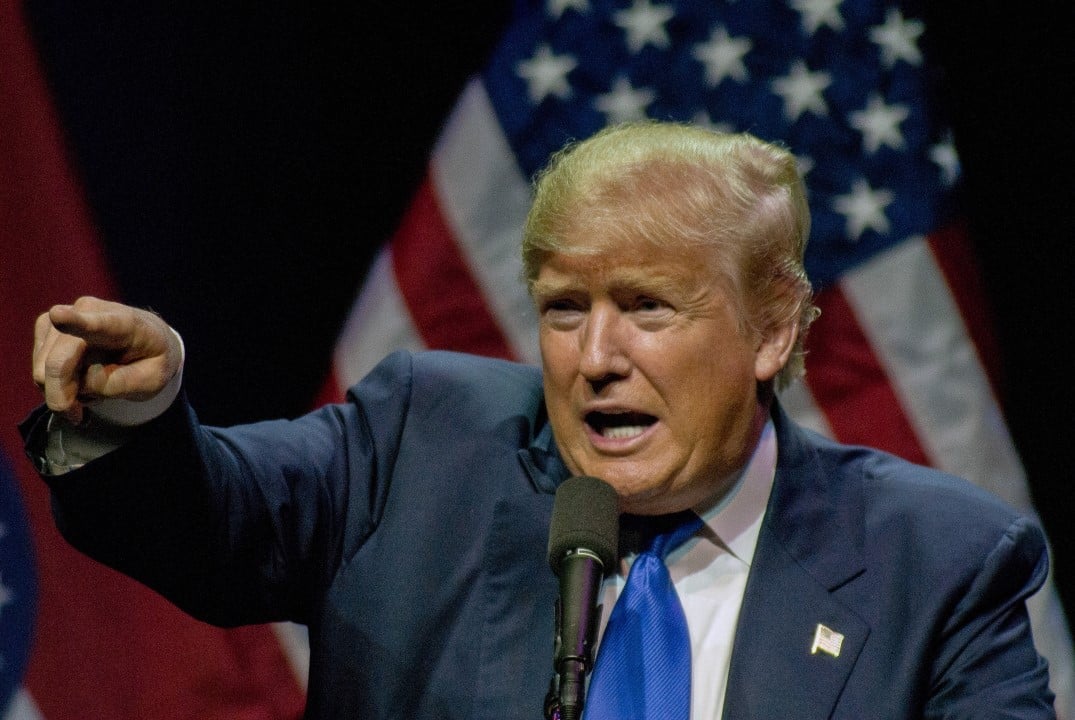
The president of the Estados Unidos, Donald Trump, used the offensive as a platform for a direct and incisive statement aimed at the Iranian population. In a video message, the American leader urged citizens to protect themselves during the bombings, but concluded with a clear political directive: “When we are finished, take power. The government will be yours.” The declaration signals a change in American foreign policy, which now openly advocates a change of regime, abandoning the previous stance of simply containing nuclear advances.
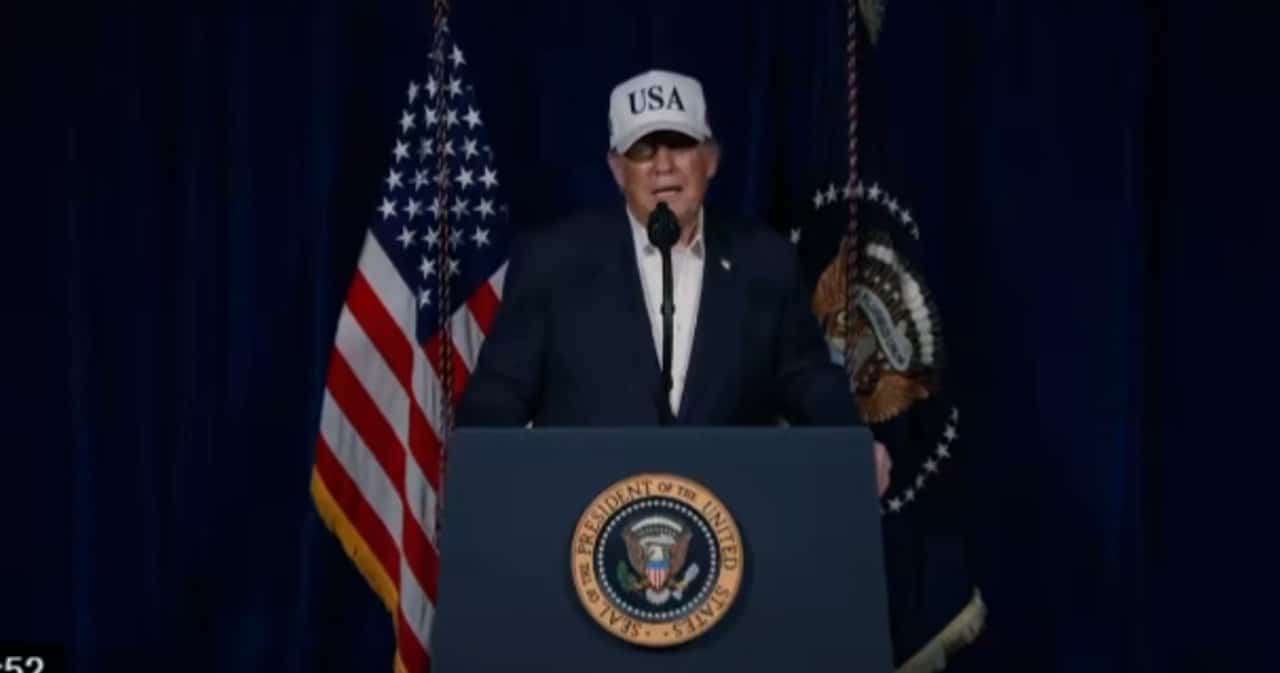
In line with this rhetoric, the prime minister of Israel, Benjamin Netanyahu, reinforced the narrative of popular empowerment against the current theocracy. The Israeli leader stated that the operation was designed to create the necessary conditions for the Iranian people to “take control of their own destiny.” Essa coordination of messages between Washington and Tel Aviv indicates planning that integrates kinetic military actions with psychological warfare, aiming to destabilize the internal leadership of Irã.
The justifications for the attack were expanded by Trump, who cited not only the continued development of the nuclear program, but also the planning of ballistic missiles with intercontinental range capable of reaching American soil. The narrative constructed by the allies seeks to legitimize the offensive as an essential preventative measure for global security and long-term regional stability.
High-value targets and counteroffensive
The choice of the Ali Khamenei residential complex as a target carries immense symbolic weight, directly challenging the highest figure of Iranian authority. Although smoke was seen rising from central points in the capital, there was no immediate confirmation on the health status or exact location of the 86-year-old leader during the attacks. The boldness of the operation demonstrates the allies’ willingness to cross red lines previously established in the diplomacy of the conflict.
In retaliation, Irã fulfilled threats made in previous months, activating its defense and attack arsenal. The 5th Frota of the US Marinha, based in Bahrein and considered a bastion of American naval power in the region, was targeted by missiles, according to local confirmations. The extension of Iranian attacks on countries hosting American forces puts the security of allied nations in the Golfo at risk, complicating the scenario of regional alliances.
Logistical chaos and closure of airspace
The impact of the exchange of hostilities was immediately felt on the civil and commercial infrastructure of Oriente Médio. Diante of the imminent risk of incidents with passenger aircraft, authorities of Iraque and Emirados Árabes Unidos ordered the total closure of their airspaces. The measure caused a ripple effect on the international air network, forcing the diversion of crucial commercial routes that connect Europa and Ásia.
Jordânia also went on high alert, with emergency sirens sounding in several cities, while Catar recorded explosions that highlight the geographic scope of the confrontation. The scenario of widespread insecurity affects not only military operations, but also the economy and transport logistics in one of the busiest regions in the world for air and maritime traffic.
Historical roots and defense diplomacy
The current conflagration is the most recent chapter in a rivalry that dates back to Revolução Islâmica in 1979, an event that transformed Irã from a strategic ally into a fierce adversary of Ocidente. Israel classifies the Iranian regime as an “existential threat”, a term reiterated by Netanyahu to justify the need to neutralize Teerã’s military capabilities. The heightened presence of American warships in the region in the weeks before the attack already signaled preparation for a large-scale confrontation.
On the Iranian side, the Relações Exteriores deputy minister for economic diplomacy, Hamid Ghanbari, defended the country’s right to self-defense in an interview with Al Jazeera. Ghanbari argued that Irã will respond to any nation that allows the use of its territory for aggression against its sovereignty. Segundo the diplomat, the American leadership would have fallen into an “Israeli trap”, being drawn into a war that does not necessarily serve the interests of Washington, but rather those of Tel Aviv.
Despite the rhetoric of war, the Iranian representative left open the possibility of political solutions, as long as the country’s security is guaranteed. However, mutual distrust and the depth of disagreements make the diplomatic path increasingly narrow and complex.
International monitoring and posture of Otan
The international community is watching the developments in the conflict with apprehension. The Otan, a military alliance that includes the Estados Unidos and the Turquia, issued a statement through spokesperson Allison Hart, stating that it is closely monitoring the situation. The central concern revolves around Artigo 5 of the alliance treaty, which stipulates mutual defense in the event of an attack on one of the members, although Artigo 6 geographically limits this obligation to the area of Atlântico Norte.
At Europa, the main powers adopted a cautious stance. Reino Unido, França and Alemanha released a joint appeal calling for the resumption of diplomatic negotiations. Leaders Keir Starmer, Emmanuel Macron and Friedrich Merz condemned Iranian retaliations but avoided publicly endorsing the initial US-led offensive and European nations emphasized that they did not participate in military action, keeping communication channels open in an attempt to avoid an all-out regional war.



