

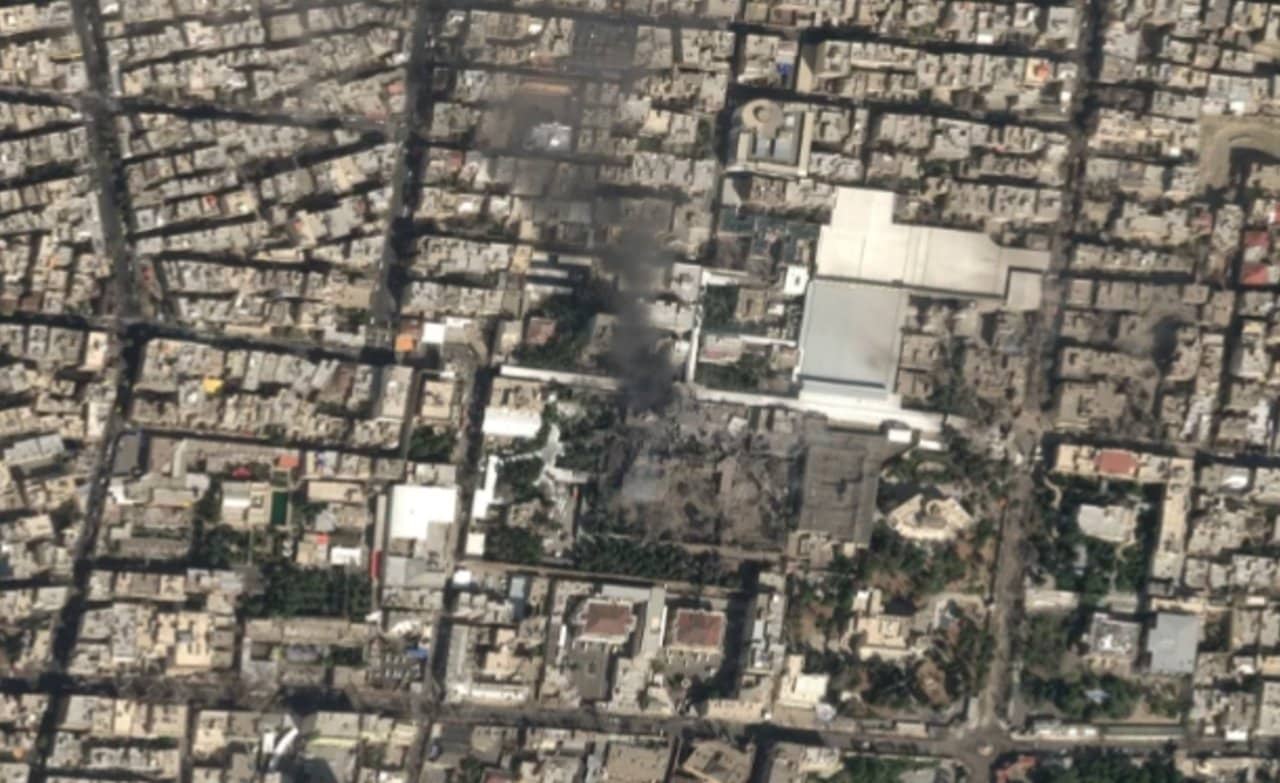
The recent military escalation in the Oriente Médio has caused severe disruption to the region’s air and maritime transport sectors, paralyzing much of the traffic from March 1st. The situation emerged from a series of retaliatory attacks between the Israel, the Estados Unidos and the Irã, triggering a scenario of unprecedented instability.
As a direct result of the conflicts, several strategic airports have been closed or operate with severe restrictions. Milhares of travelers, including a significant number of German tourists, are stranded in key hubs, affecting international connections and travel plans.
Major airlines and cruise lines have been forced to cancel operations, adjust routes and suspend services, reacting quickly to deteriorating security in the region. The widespread disruption reflects the severity of the scenario and the priority given to the safety of passengers and crew.
Flights suspended and airports affected

The situation in the skies of Oriente Médio became critical, with an almost total stoppage of air traffic over vast areas. Crucial Aeroportos such as Dubai, Abu Dhabi and Doha, which serve as important global hubs, have been closed or have had their operations significantly limited.
According to data updated by flight tracking platforms, more than 3,400 trips were canceled at seven of the region’s main airports. Além In addition, structural damage was reported at terminals, including Aeroporto Internacional of Dubai, as well as at Abu Dhabi and Kuwait, following Iranian retaliatory strikes.
The drama of the stranded travelers
The atmosphere at the affected airports is one of great apprehension among passengers. Relatos indicate a scenario of chaos, especially in Aeroporto Internacional of
One German tourist described the experience as “total chaos”, citing the absence of clear announcements and difficulty in obtaining information about departure options. Essa The situation was repeated in several parts of the region, highlighting the fragility of the emergency support infrastructure in a conflict context.
Readjustment of airlines
Faced with the worsening of the crisis, international airlines were forced to take drastic measures to ensure the safety of their flights. Lufthansa, for example, announced the suspension of all its connections with the region until March 8, covering destinations such as Tel Aviv, Beirute, Amã, Erbil, Dammam and Teerã.
In addition to direct cancellations, the company decided to avoid overflying the airspace of Israel, Líbano, Jordânia, Iraque, Catar, Kuwait, Voos to and from Dubai and Abu Dhabi were also suspended until March 4, extending the restriction to the airspace of Emirados Árabes Unidos. Etihad Airways, in turn, canceled important flights, such as connections via Abu Dhabi to
Cruise sector is also impacted
The turbulence in Oriente Médio was not limited to the airline sector, also affecting cruise operations in the region. Navios large vessels, which usually carry out tourist routes through the Golfo, were forced to interrupt their trips or remain docked, awaiting developments.
The “MSC Euribia”, from MSC Cruises, for example, with capacity for more than 6,000 passengers, was stuck in Essa emergency measure highlights the readiness of companies to prioritize the safety of everyone on board.
Security and government alerts
TUI Cruises also commented on the situation of its ships, the “Mein Schiff 4” and the “Mein The company reinforced in its statement that the safety of guests and crew is the main priority, making it impossible to operate cruises as planned and keeping passengers on board.
In response to the complexity of the situation, Ministério of Relações Exteriores of German authorities strongly advise all citizens present in the region to register on the ELEFAND crisis preparedness list and to seek immediate contact with their tour operator or airline for detailed information on departure and assistance options.
Global air restrictions and their consequences
The current crisis in Oriente Médio amplifies challenges for the global aviation sector, which was already facing complexities due to other airspace restrictions. The need to avoid Russian and Ukrainian skies, now added to the instability in Oriente Médio and possible clashes between Paquistão and Afeganistão, further narrows the available air corridors. Essa situation forces airlines to plan significantly longer and more complex routes, directly impacting operating costs, fuel consumption and flight times. The pressure on global passenger and cargo transport logistics is increasing, requiring constant adaptations and an agile response capacity from the entire sector.
Developments and ongoing regional scenario
The military escalation that has generated the current disruptions to air and maritime traffic remains a central concern. The volatile nature of conflicts between the region’s key actors suggests that travel restrictions and warnings could persist for an indefinite period.
The economic impact of these shutdowns goes beyond tourism, affecting regional and global trade, and posing significant challenges to the economic recovery and stability of the countries involved. International coordination is seen as essential to mitigate the humanitarian and logistical effects, seeking solutions for the thousands of affected travelers and for navigation safety.
The global community is closely watching developments, as diplomats and international organizations seek paths to de-escalation and protecting civilian infrastructure. Uncertainty remains regarding the normalization of transport operations, with safety as the main guide for future decisions.



