


Explosions echoed across Teerã on the morning of February 28, 2026, as Israeli and American forces launched a joint operation against strategic targets in the Iranian capital. Supreme leader Ali Khamenei, his daughter, son-in-law and granddaughter were confirmed as fatal victims by Iranian state media, marking a moment of unprecedented escalation in the regional conflict.
American President Donald Trump publicly announced the death of Khamenei hours after the attacks, describing the action as necessary to neutralize persistent threats. Fontes locals in Teerã reported that the leader’s residential complex took a direct hit, resulting in five deaths in the immediate family.
The operation, dubbed Epic Fury, targeted senior Iranian officials and key installations, according to reports from international agencies. The Iranian government declared 40 days of national mourning, while President Masoud Pezeshkian condemned the act as a serious crime, promising appropriate responses.
Details of the attacks on Teerã
The strikes occurred in multiple waves, starting in the early hours of the local day at Teerã. Relatos indicate that missiles hit the heart of the city, including residential and military areas. Autoridades Israelis confirmed that the action was coordinated with American intelligence to maximize accuracy.
Witnesses on the ground described scenes of thick smoke and emergency sirens going off immediately after the impacts. The total number of civilian casualties is still uncertain, but it is estimated that at least 100 people died in a separate bombing at a school near a military base.
International reactions to the incident
World leaders have expressed concerns about the escalation. Russian President Vladimir Putin called Khamenei’s death a cynical violation of human norms, while União Europeia described the event as a defining moment in Iranian history.
Neighboring Arab countries reported indirect impacts, with Iranian retaliatory strikes hitting American bases in Arábia Saudita. The China and other allies of the Irã called for restraint to avoid a wider conflict.
Hamas and Hezbollah issued statements of mourning, highlighting Khamenei’s historic support for resistance groups in the region. Manifestações for and against the regime emerged in several capitals, reflecting deep divisions.
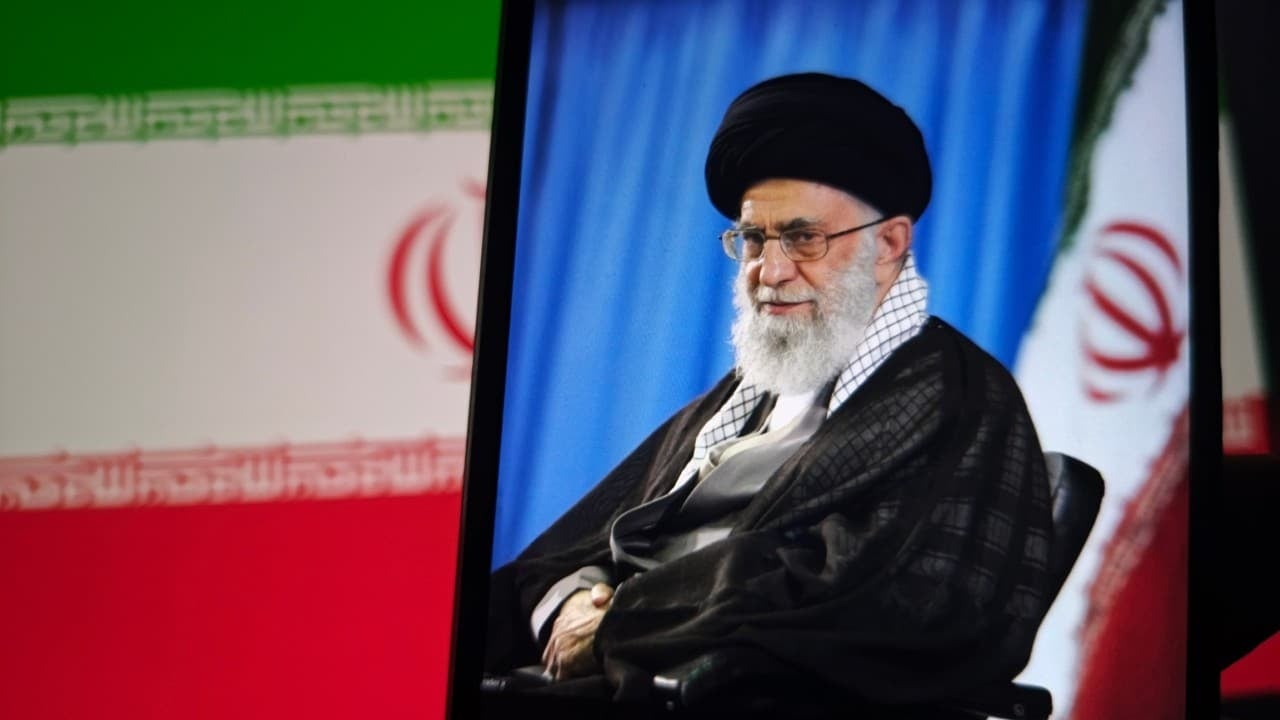
Impact on the Iranian regime
The Iranian political system, structured around the figure of the supreme leader, now faces an urgent transition. The Iranian Constituição predicts that the president will take over on an interim basis, with elections for a new leader within 50 days.
Especialistas point out that the Assembleia of Specialists, made up of clerics, will be crucial in choosing the successor. Mojtaba Khamenei, the late leader’s son, is mentioned as a possible candidate, although there is debate about his experience.
Consequences for regional security
The attacks intensified tensions on Oriente Médio, with Irã launching counterattacks on Israel and allied bases. Nove Israeli civilians died in a condominium hit by Iranian missiles, according to official reports.
Israeli aviation continued operations the following day, targeting infrastructure in Teerã and other cities. Analistas predict this could affect trade routes in the Estreito of Ormuz, impacting global oil supplies.
Shia communities in Iraque and Paquistão protested against American embassies, raising risks of cross-border instability. The UN called an emergency meeting to discuss de-escalation.
Profile of Ali Khamenei and his legacy
Ali Khamenei, born in 1939, took over as supreme leader in 1989 after the death of Ruhollah Khomeini. Seu’s 36-year term was marked by policies of resistance against Ocidente, including the development of Iran’s nuclear program and support for regional militias such as Hezbollah and Houthis. Khamenei survived assassination attempts and repressed internal protests, consolidating the power of Guarda Revolucionária Islâmica. Ele issued fatwas against nuclear weapons but allowed uranium enrichment, leading to international sanctions. Seu death leaves a vacuum in a polarized nation, with part of the population mourning the loss and another celebrating the end of an era.
Grief measures and internal responses
The Irã announced national holidays during the 40-day mourning period. Multidões gathered in squares of Teerã to honor Khamenei, dressed in black and carrying portraits of the leader.
In contrast, reports of isolated celebrations in Iranian cities indicate social divisions. Forças security personnel were mobilized to maintain public order.
Details about family victims
Khamenei’s daughter, identified as a discreet figure in the family, was in the complex at the time of the attack. Seu son-in-law, involved in administrative activities, and granddaughter, a child, also perished in the bombing.
Reports confirm that the strike was accurate, based on CIA intelligence. Outros relatives, such as former president Mahmoud Ahmadinejad, have been mentioned in death rumors, but without official confirmation.
Operation Epic Fury and its execution
The operation involved Israeli fighter jets and American drones, launching long-range missiles. Fontes military personnel indicate that the initial target was Khamenei to maintain the element of surprise.
The attacks extended to nuclear installations and Guarda Revolucionária barracks. The Pentágono justified the action as a response to persistent threats against American interests.
Global economic repercussions
Markets reacted with rising oil prices, reaching peaks not seen since 2022. Países dependent on Iranian imports, such as China and Índia, monitor the situation closely.
Additional sanctions could be imposed by Ocidente, affecting the Iranian economy already pressured by inflation and unemployment.
Prospects for Iranian retaliation
Irã promised revenge, with the minister of Relações Exteriores stating that the right of reply is legitimate. Ataques to American bases in Oriente Médio have already occurred, resulting in casualties.
Allied groups, such as the Houthis in the Iêmen, intensified actions in the Mar Vermelho, threatening maritime routes.
Historical context of the conflict
Tensions between Irã, Israel and the US date back to Revolução Islâmica in 1979.
Previous nuclear agreements were abandoned during the Trump administration, leading to indirect confrontations via proxies.
Security measures in Teerã
Iranian authorities have cordoned off affected areas, with rescue teams working around the clock. Hospitais reported overload due to civilian injuries.
Air traffic was temporarily suspended, and security alerts were issued to foreign citizens.
Expert opinions on the future
International analysts suggest that the death of Khamenei could open space for internal reforms, but also risks of radicalization. Organizações like Al Jazeera and CNN highlight the polarization in Iranian society.
Studies indicate that transitions in theocratic regimes often involve power struggles between clerics and the military.
- Main targets of the attacks: Khamenei complex, nuclear bases and barracks.
- Confirmed victims: Khamenei, daughter, son-in-law, granddaughter and other officers.
- Global reactions: condemnations of Rússia and China, implicit support from Western allies.
- Immediate impacts: national mourning, counterattacks and regional instability.
Analysis of the forces involved
The Israeli Forças Armadas, with American support, demonstrated the ability to penetrate deep into Iranian territory. Iranian air defense intercepted some missiles but did not prevent critical damage.
Military experts note that the operation used stealth technology to avoid early detection.



