
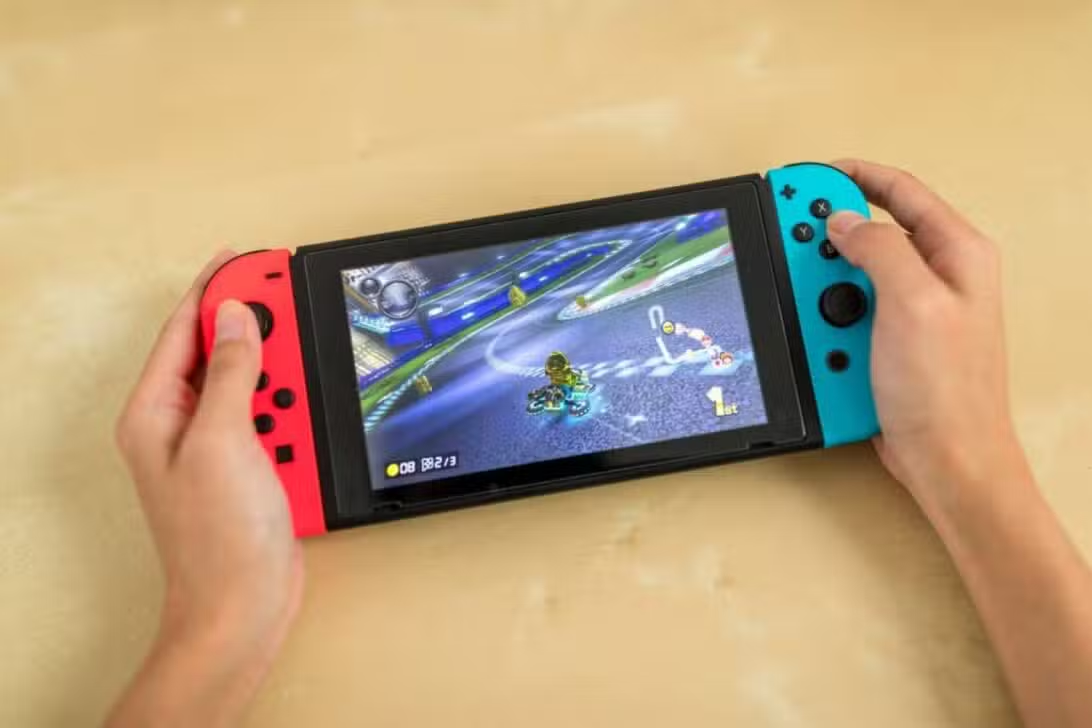
A recent analysis of data on the Japanese entertainment giant’s backend systems revealed direct references to a new hardware device, raising speculation about the successor lineup to its current consoles. Mineradores of data identified the acronym “OSM” within the company’s account servers, an unprecedented nomenclature that differs from the standards established for models already known on the market. Especialistas industry players interpret this acronym as “Once Small Model”, suggesting active development of a more compact, portability-focused variation for the next generation of video games.
The discovery moves behind the scenes in the technology sector, as it indicates a potential change in the company’s launch schedule. Historicamente, alternative versions and hardware revisions arrive years after the main product, but the premature presence of these codes may signal a simultaneous release strategy or with a reduced window between versions.

Sources linked to the supply chain reinforce that the move aims to fill market gaps right at the beginning of the new product’s life cycle.
Technical analysis of the nomenclatures found
The manufacturer’s codename history offers valuable clues about the characteristics of the supposed device. The original model of the current hybrid console is internally identified as HAC, while the purely portable version carries the acronym HDH and the edition with an improved screen is known as HEG. The introduction of the OSM code, associated with the project name “BEE”, points to an architecture that prioritizes energy efficiency and small form factor while maintaining compatibility with the future game library.
Information extracted from the boot codes indicates that this new compact model can skip the step of traditional liquid crystal screens. Diferente of the strategy adopted in the previous generation, where the entry-level version used LCD panels to reduce costs, the data suggests that the “Lite” device is already being tested with OLED technology. Isso would represent a significant leap in visual quality for the entry-level segment, offering infinite contrast and more vivid colors from day one.
The engineering behind this decision involves optimizing internal space and thermal management in a smaller chassis.
The use of more advanced components in compact models reflects the maturation of display manufacturing processes, allowing technologies previously restricted to premium models to be integrated into devices aimed at mass consumption.
Market repositioning and accessibility
The existence of a smaller and possibly cheaper model on the horizon changes the competitive dynamics of the portable console market. By offering a more affordable option that does not sacrifice screen quality, the company seeks to consolidate its base of users who prefer to play on the go, without the need to connect to televisions. Essa approach creates a lower barrier to entry for new consumers who want to access the brand’s exclusive franchises.
Market analysts note that this strategy could be a direct response to industry saturation and the need to maintain sales momentum across the generational transition. Disponibilizar multiple hardware options in a short space of time allows you to reach different demographic profiles, from the enthusiast looking for the complete TV experience to the casual gamer who prioritizes ergonomics and easy transport of the device.