
New Square Enix strategy brings Final Fantasy VII conclusion to Xbox and PC simultaneously

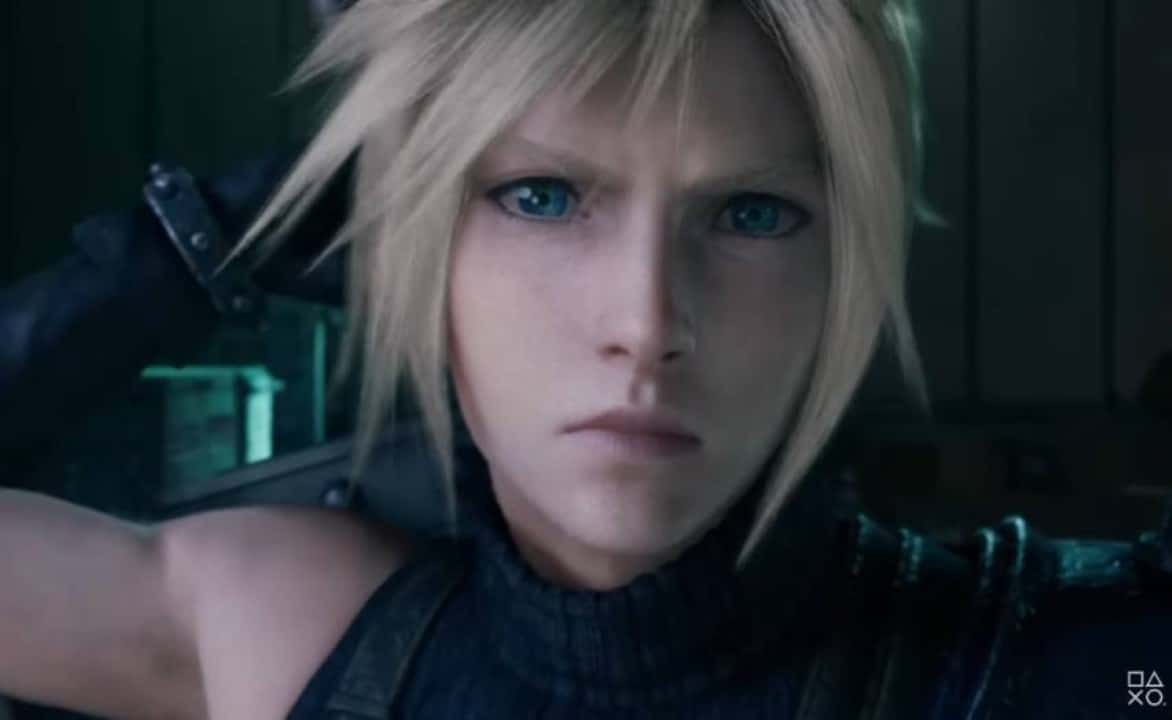
Square Enix has officially made a historic change in its distribution strategy for the final chapter of the Final Fantasy VII recreation project. Diferente of its predecessors, the third part of the trilogy will not have temporary exclusivity on Sony consoles and will arrive simultaneously on PlayStation 5, Xbox Series X|S and PC. The decision marks the end of an era of restrictive partnerships for this specific franchise and aims to expand the commercial reach of the title from the first day of sales, ensuring that players on all major platforms have immediate access to the outcome of the Cloud Strife saga.
Change of direction seeks to recover revenue and expand audience
This change in planning reflects the Japanese publisher’s new corporate directive, internally referred to as a strategic reset to maximize profits. Após market analyzes indicate that the exclusivity of Final Fantasy VII Rebirth limited the initial sales potential, management opted to break down hardware barriers. The objective now is to transform the company’s major launches into global multiplatform events, avoiding the wear and tear of staggered launches that can take years to reach other systems.

The lower-than-expected commercial performance of the second chapter of the trilogy was a determining factor in this course correction. By restricting the game to a single installed base of consoles, the company realized that it was failing to capitalize on millions of PC users and enthusiasts of the Xbox brand. The aggressive new approach aims to unify the fan community at launch, creating a much more impactful and financially sustainable marketing moment for high-budget productions.
Technical advances promise parity between platforms
The development team, led by franchise veterans, is working to ensure the visual and performance experience is consistent across devices. The use of advanced graphics technologies and optimization of the graphics engine will allow the vast game world, which will include the long-awaited aerial navigation with the Highwind, to be rendered faithfully on both next-generation consoles and high-performance computers. The promise is that no version will suffer from content cuts or severe technical limitations that harm immersion.
For PC users, expect native support for upscaling technologies like DLSS and FSR from day one, as well as robust graphical customization options. Já on consoles, the focus is on maintaining stable frame rates even in moments of greatest action and exploration of the world map, which promises to be fully interconnected in this conclusion. Technical parity is seen as essential to avoid controversy and ensure that the narrative is the main focus of online discussions.
Xbox ecosystem receives significant boost with launch
The inclusion of Xbox Series X|S in the simultaneous release represents a symbolic and practical victory for the Microsoft gaming division. Após years of absence of major franchise titles on the platform on the day of their debut, the arrival of the end of the trilogy validates Phil Spencer’s efforts to strengthen ties with Japanese developers. Isso puts Microsoft console owners on equal footing with PlayStation gamers, ending a long wait for late ports.
The movement also suggests a future where high-budget JRPGs will no longer be tied to a single ecosystem, benefiting the end consumer with more options to choose from. With the acquisition of Activision Blizzard by Microsoft and the growth of Game Pass, the competitive landscape has changed, and third-party publishers like



