Psyonix optimizes Rocket League on Switch with unified graphics modes and focus on performance
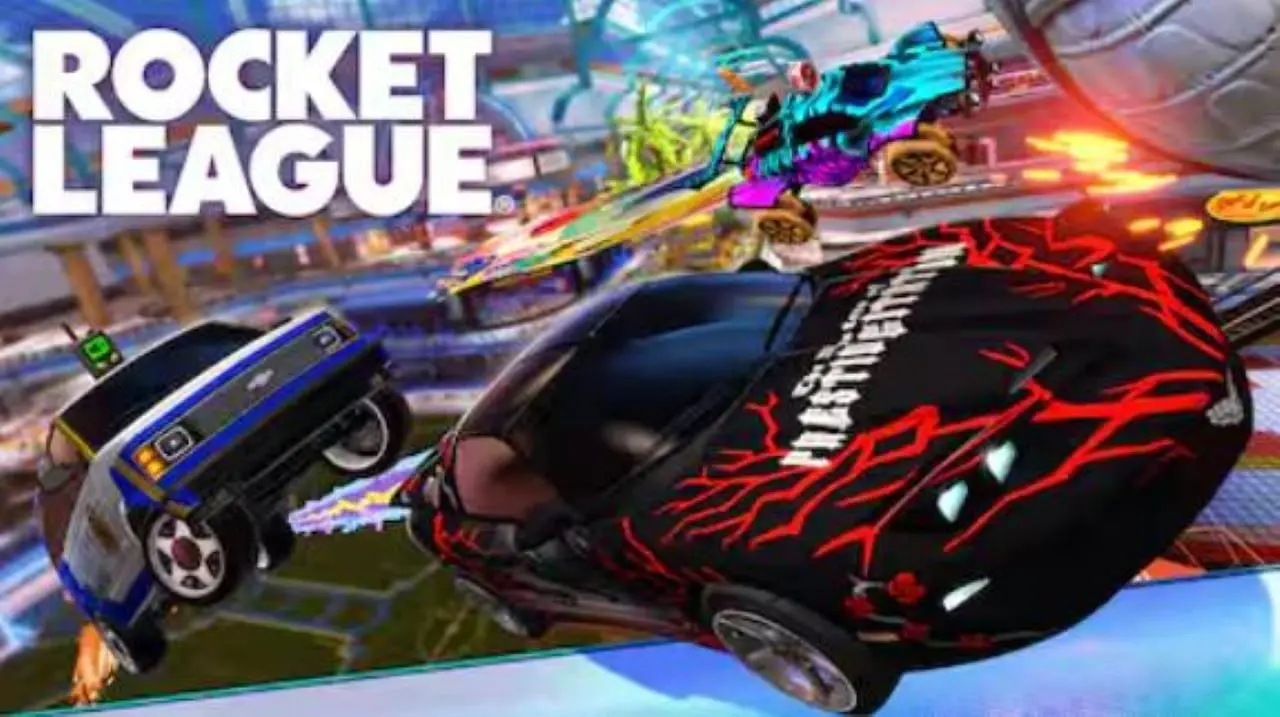
Developer Psyonix has implemented a significant restructuring of the technical functioning of Rocket League for the Nintendo hybrid console through the version 2.64 update. The central focus of this technical modification lies in eliminating the manual choice between visual settings, aiming to deliver a standardized experience that extracts the maximum potential of the available hardware. The decision removes the old options that allowed players to switch between prioritizing quality or performance, establishing a new unified standard that seeks to balance visual resolution with the fluidity necessary for competitive gameplay.
This strategic change was designed to ensure the title performs consistently regardless of the situation within the arena. By removing the need for user configuration, game engineering can dynamically manage system resources.
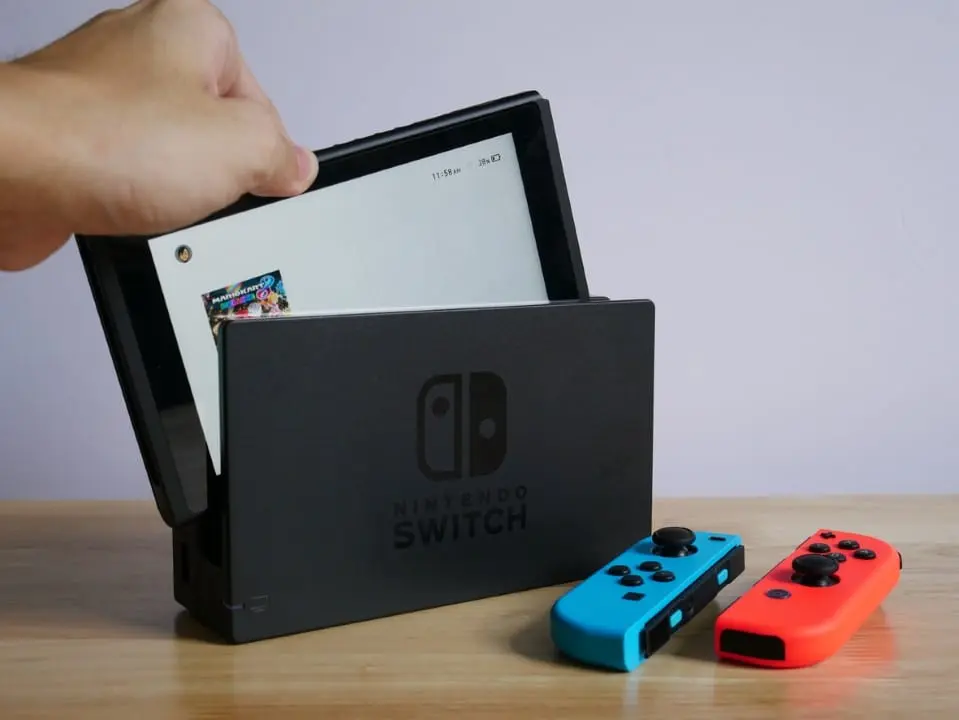
The primary objective is to keep the frame rate locked at 60 frames per second, an essential requirement for the physical precision that the game demands.
More on this story: George Russell attributes the drop in performance in Formula 1 to the car, not his driving
With the new software architecture, the console now operates with a target resolution of 1080p when connected to the dock, using dynamic scaling to preserve image stability in moments of greater graphics processing stress.
Technical and visual improvements to rendering
The update introduces specific improvements to image handling, addressing long-standing community complaints about visual clarity on the handheld device. The anti-aliasing system has been recalibrated to smooth out the jagged edges of vehicles and the ball, providing cleaner gameplay without compromising overall performance. Essa change is particularly noticeable in the lines of the arenas and the contours of the cars, which now present less visual noise when moving quickly.
Learn more: New update for 007 First Light increases performance and fluidity on consoles, especially on PlayStation 5
– Otimização of background element processing was performed to reduce the load on the GPU, ensuring that non-essential crowd and stadium details do not interfere with the frame rate.
See Also


– Tempos load times have been significantly reduced through better memory management, allowing players to jump into matches and navigate menus with greater agility.
– Ajustes in the garage interface now allows for a more fluid view of cosmetic items, with an increase in the car preset limit to 75 slots, offering more freedom of customization.
On the same topic: New Dodge Charger Super Bee 2027 reaches 600 hp and equals the time of the old Hellcat
Competitive balance in the crossplay environment
The competitive landscape of Rocket League intrinsically depends on parity of conditions between participants, especially in an ecosystem that allows cross-platform play. The update to Nintendo Switch directly addresses the technical disadvantage that console users faced when playing against opponents on PC, PlayStation 5 or Xbox Series
The stability provided by the constant 60 frames per second is vital for calculating trajectories and aerial disputes. Anteriormente, drops in performance could result in inaccurate touches of the ball or defeats in tackles, creating a technical barrier to ranking progression.
By standardizing the visual experience and focusing on control response, Psyonix reinforces the title’s sporting integrity. Jogadores on the Nintendo console now have more robust technical tools to compete on an equal footing, where individual skill and team strategy become the only determining factors for the outcome of the match, eliminating hardware variables that could hinder performance at a high level.