

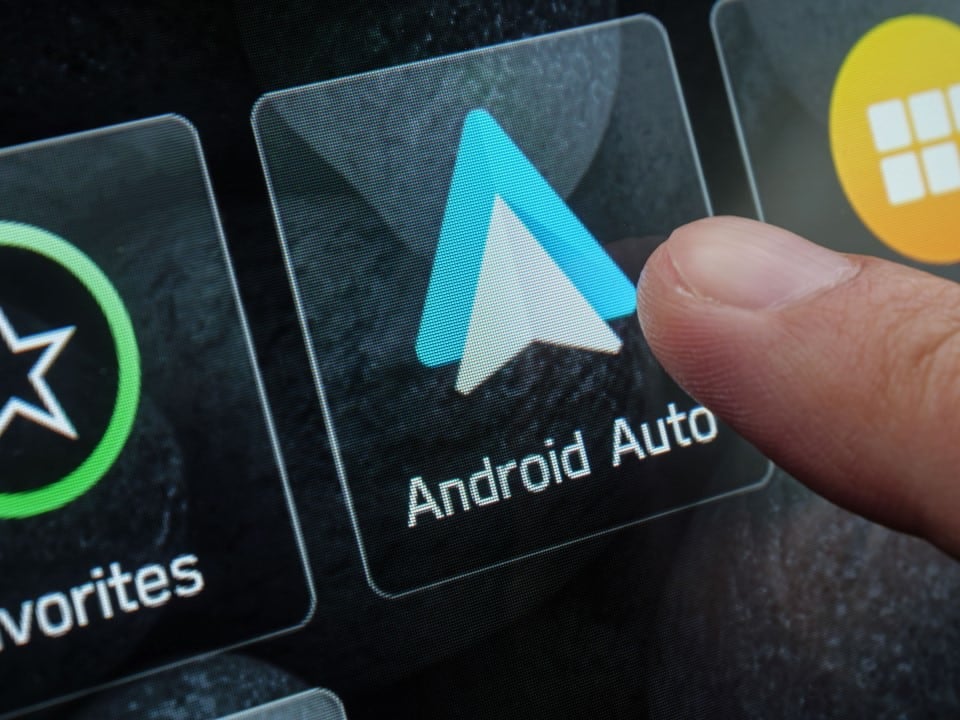
A recent vehicle reliability study points out that connectivity with Android Auto and Apple CarPlay remains the main problem reported by owners after three years of use. Esses Smartphone mirroring systems generate frequent wireless connection failures, sync delays, and incompatibilities with over-the-air updates that do not improve the experience. Motoristas report that such issues interfere with the daily use of the vehicle and reduce the overall perception of product quality.
The integration of cell phones via Android Auto and CarPlay accounts for almost half of the complaints in the infotainment category. Problemas with built-in Bluetooth, wireless chargers and factory applications also contribute to the high volume of complaints.
- Unstable connections that drop during long trips
- Difficulty keeping maps and music in sync at the same time
- Updates that don’t resolve old compatibility bugs
The numbers reveal a general increase in problems in modern vehicles. The industry average reached 204 occurrences per hundred vehicles, the highest rate since the survey was reformulated in 2022.
Smartphone integration dominates owner dissatisfaction
Connectivity with Android Auto and Apple CarPlay leads the ranking of problems for the third time in a row. Especialistas note that mirroring depends on the quality of the phone signal and the stability of the car’s internal network. Qualquer interruption generates immediate frustration and forces the driver to intervene manually.
Owners also complain about delays in responding to touch on the screen when the mirror system is active. Esses small defects accumulate over the years and affect confidence in the vehicle as a whole.

Manufacturers respond with their own integrated platforms
General Motors has confirmed the decision to phase out support for Apple CarPlay and Android Auto across the entire model range. The automaker argues that mirroring compromises the performance of advanced driving assistance features and reduces the accuracy of navigation based on real car data.
GM’s new Ultifi system uses Android Automotive architecture to offer a more fluid native experience. Atualizações occur directly in the vehicle without depending on the user’s phone.
Other brands have been adopting a similar approach for years. Modelos equipped with integrated infotainment avoid the risk of disconnection and offer more direct controls over functions such as air conditioning and cameras.
Premium brands report fewer on-board technology failures
Luxury brand vehicles have lower rates of problems in the infotainment category. Seus native systems were developed with a focus on full integration with the car’s hardware from the initial design.
Owners of these models report greater stability even after three years of intensive use. The absence of total dependence on the smartphone reduces the risk of failures caused by updates to the cell phone’s operating system.
Shopping trend favors cars with embedded technology
Consumers began to prioritize vehicles that do not rely exclusively on mirroring for essential functions. Modelos with large screens and dedicated processors offer more accurate navigation and quick responses to voice commands.
The search for these cars reflects the dissatisfaction accumulated with recurring Android Auto and CarPlay failures. Motoristas want solutions that work independently and safely in any road condition.
Over-the-air updates do not resolve all complaints
Many owners receive over-the-air updates but don’t see significant improvements in connectivity. Cerca of 58 percent of respondents say that the changes do not alter the daily vehicle experience.
Only a smaller portion see real gains after software fixes. Isso reinforces the perception that structural problems in cell phone integration require deeper changes in the system design.
Examples of native systems gain space in the market
Cars equipped with platforms such as Android Automotive deliver maps that consider the battery level in electric vehicles or the actual engine consumption. Navigation automatically adapts to vehicle conditions without requiring extra data from your phone.
Semi-autonomous assistance features work best when integrated directly into the multimedia center. Comandos voice responds faster and avoids unnecessary distractions while driving.
External problems also influence purchasing decisions
In addition to infotainment flaws, abnormal body noises and finishing issues contribute to general dissatisfaction. However, the in-flight technology category still accounts for the majority of complaints.
Owners evaluate the complete package before choosing their next vehicle. Sistemas reliable infotainment systems weigh more and more heavily when making the final decision.
Wireless connectivity loses space to embedded solutions
Wireless charging and Bluetooth pairing remain among the industry’s top five issues. Esses items total dozens of occurrences per hundred vehicles and mainly affect newer models.
Brands that invest in dedicated hardware avoid these problems and deliver constant performance. The trend indicates that the future of cars involves platforms that do not depend on smartphones for basic operations.
Drivers value stability over extra features
Users prefer systems that work without interruptions even in areas with weak cellular signal. The priority now is everyday reliability rather than advanced functions that rely on constant connection.
This change in behavior clearly appears in long-term satisfaction surveys. Veículos with solid native technology earns higher ratings among owners who have faced issues with mirroring.
Automotive sector accelerates transition to independent infotainment
Automakers around the world are accelerating the development of their own solutions to reduce dependence on third-party systems. The goal is to offer a safer and more personalized experience from the first use.
New models are now hitting the market with larger screens and more powerful processors dedicated exclusively to the car. Essa evolution directly responds to complaints registered in recent years.
Connectivity with Android Auto and Apple CarPlay remains a critical point for many owners. However, the industry is quickly moving towards alternatives that promise greater stability and full integration with the vehicle.



