

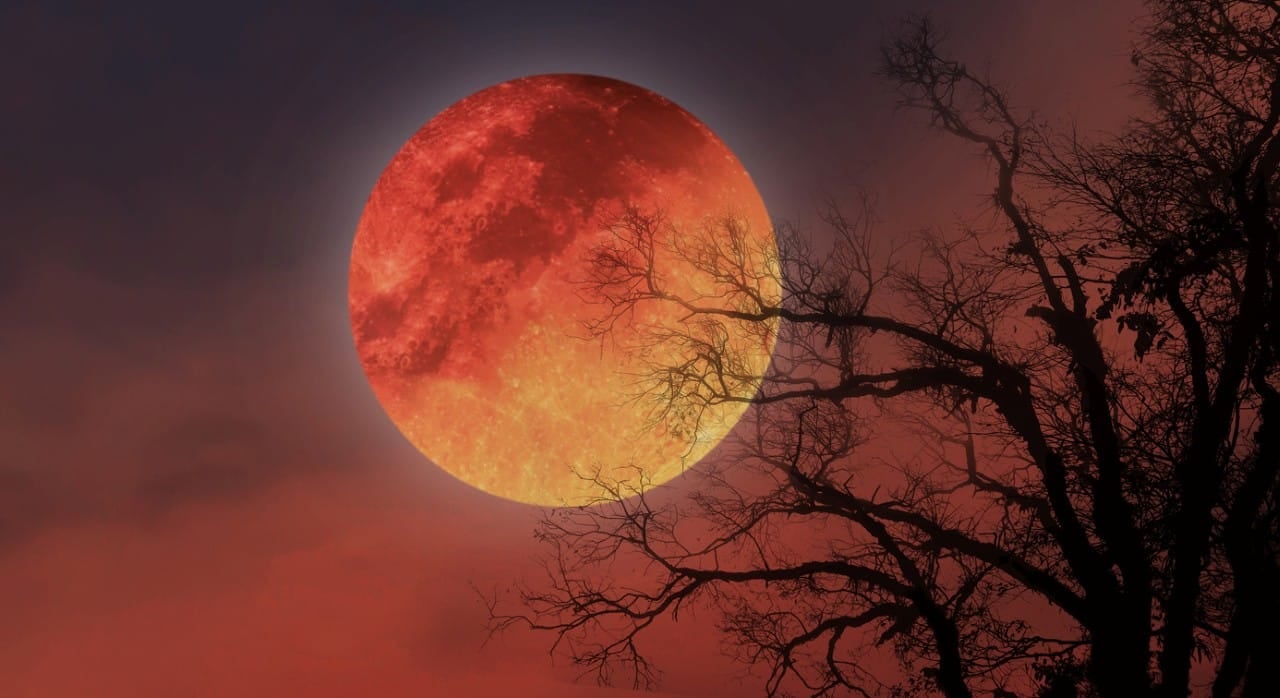
The total lunar eclipse scheduled for March 3, 2026 begins with Lua entering the penumbra of The Esse event occurs when the Sol, the Terra and the Lua align perfectly, allowing the Earth’s shadow to cover the natural satellite and filter sunlight through the atmosphere, resulting in the characteristic reddish tone of the The duration of totality reaches 58 minutes, making the phenomenon accessible to observers in favorable geographic positions where Lua remains above the horizon during the main phases. Regiões as well as western América of Norte, Pacífico and parts of eastern
Astronomers highlight that clear atmospheric conditions increase the perception of color variations, influenced by particles such as dust or pollutants that intensify the red. The event does not require eye protection equipment, unlike solar eclipses, and can be enjoyed with the naked eye or with binoculars for clearer details. Instituições scientists monitor the phenomenon to collect data on orbits and atmospheric composition, contributing to predictive models of future events. Esse eclipse marks the last total visible globally until the end of 2028, raising its value for studies and amateur observations.
Countries in Ásia and Austrália watch the eclipse during the night of March 3 in their local time zones. Na América of Norte, the event unfolds in the early morning hours, with the west of the continent offering longer views. Partes of América of Sul observe only the initial phases before the birth of the local Sol.
Observers in polar regions, such as Ártico, record the phenomenon at times adjusted to reduced daylight conditions. No Oceano Pacífico, isolated islands and territories capture the complete spectacle without urban interference. Partial visibility in oceans such as Atlântico and Índico depends on the specific marine location.
Eclipse phases in detail
The penumbral onset occurs at 08:44 UTC, when Lua touches the outer shadow of Terra, causing a subtle dimming that lasts until the beginning of the partial at 09:50 UTC. Essa transition allows observers to detect gradual changes in luminosity, especially in dark skies. The partial phase progresses with the umbra progressively covering the lunar disk, creating a visible bite effect until totality.
During totality, from 11:04 to 12:02 UTC, Lua acquires red tones due to the refraction of sunlight by the Earth’s atmosphere, filtering blue wavelengths and allowing red wavelengths to pass through. Esse period of 58 minutes offers the opportunity for photographic records in places with a clear horizon. Após maximum at 11:33 UTC, Lua gradually emerges from the umbra, reversing the process until the partial end at 13:17 UTC.
The dim light ends at 14:23 UTC, restoring the normal brightness of Lua, with the total duration of the event being around 5 hours and 39 minutes. Astrônomos use these times to synchronize global observations and compare atmospheric data.
Local times in key cities
At Sydney, on Totality occurs between 10:04 pm and 11:02 pm local time, favoring observers in coastal areas.
Denver, at Estados Unidos, in the MST zone, records the penumbral onset at 01:44 on the morning of March 3, with totals from 04:04 to 05:02 local time. The partial ends at 06:17, before the rise of Sol interferes with the final view.
On Tóquio, on Japão, with JST time zone, the event begins at 5:44 pm on the afternoon of March 3, advancing to totality between 8:04 pm and 9:02 pm local time. Condições urban areas require elevated locations for better detection.
At Cidade of

Conditions for optimal observation
Clear skies represent the main requirement for enjoying the eclipse, as clouds or precipitation block the view at any stage. Previsões local weather forecasts help with planning, prioritizing regions with low humidity.
Places with little light pollution, such as rural parks or mountains, enhance the contrast between the Lua and the starry sky. Binóculos or modest telescopes reveal lunar textures during totality.
Science behind the red hue
The reddish color results from the scattering of Rayleigh in Earth’s atmosphere, where particles scatter blue light and transmit red to the lunar surface during totality. Fatores how volcanic eruptions or forest fires change intensity, based on historical events that have recorded orange to dark tones.
Scientific observations use the eclipse to measure variations in atmospheric composition, validating global climate models. A magnitude of 1.150 indicates complete coverage by the umbra, with 100% obscuration.
Regions with complete visibility
East Asia, including Japão and Coreia from Sul, follows the entire event at night, with Lua high in the sky for accurate measurements. Austrália and Nova Zelândia record the phenomenon without time limitations, favoring amateur astronomers.
West of América from Norte, like Califórnia and Alasca, observes totality at dawn, with full duration before dawn. Ilhas of the central Pacífico capture the maximum without continental obstructions.
Polar areas in Ártico see the eclipse in extended twilight conditions, adding unique data about polar illumination. Partes of Antártica, at research stations, monitor the event for environmental studies.
Practical tips for observers
Planning the site in advance ensures a western horizon free of buildings or trees, essential for early stages in some regions. Aplicativos astronomy tools provide real-time tracking of the lunar position.
- Check equipment such as cameras with low light settings.
- Consider collective observation groups to share experiences.
- Monitor weather alerts for last-minute adjustments.
Warm clothing and comfort items are recommended for cold mornings in March.
Related astronomical events
The eclipse follows a solar annulus on February 17, 2026, forming an eclipse season with close alignments. Lunar Parciais in August 2026 offers comparisons in global visibility.
Saros cycles indicate recurrence every 18 years, with variations in magnitude and duration. Agências space updates calendars for annual forecasts.



