

The tension in Oriente Médio reached a new level of severity, culminating in a series of events that redefine the regional and global geopolitical scenario. Após weeks of escalation and increasingly heated rhetoric, the armed forces of the Estados Unidos and Israel launched a coordinated attack against the Irã, resulting in significant losses and an immediate response from the Iranian government. The offensive, which unfolded at the end of February, intensified the climate of hostility and provoked a wave of convictions and seizures in several world capitals. The conflict scenario is expanding, dragging in other actors and demonstrating the fragility of peace in the region.
The attacks carried out on Saturday, February 28, had as main consequence the death of the supreme leader of the Irã, Ali Khamenei, and important military leaders, in addition to adding a total of 555 fatalities on Iranian soil. Esta’s unprecedented loss of the highest echelon of religious and political leadership triggered a promise of forceful retaliation from Teerã, who called the act a direct affront to sovereignty.
In immediate response, the Irã did not hesitate to launch a series of attacks against targets in Israel and US military bases spread across the Oriente Médio, generating new outbreaks of conflict. Entre the most critical developments stand out:
- Iranian attacks on Beersheba, on Israel.
- Iranian bombings against the Prime Minister’s office
- Retaliation by Israel that resulted in the death of military leaders of Hezbollah.
The coordinated offensive and the first casualties

The armed forces of the Estados Unidos and Israel carried out a joint military operation against the Irã on Saturday, February 28, following a period of increasing hostility in the region. Esta coordinated action targeted strategic targets on Iranian territory and, according to initial information, resulted in the destruction of nine Iranian navy ships on March 1. Human casualties confirmed in Irã reached 555 dead, raising international concern about the scale of the conflict.
The severity of the offensive was accentuated by the death of Iran’s supreme leader, Ali Khamenei, and several military leaders. The loss of a figure of such importance to the Iranian regime and the Shiite theocracy generated immediate and vehement condemnation from Teerã, who classified the incident as an act of war and promised severe retaliation. The Iranian government reiterated its refusal to enter into any negotiations with the Estados Unidos, reinforcing its intransigent stance in the face of the crisis.
Tehran strikes back and Washington’s response
Guarda Revolucionária of Irã quickly mobilized its forces in response to the attacks, launching a new wave of offensives. Israel was targeted with rockets, including a statement that missiles were aimed at Beersheba and the office of Prime Minister Benjamin Netanyahu, demonstrating Iranian intent to strike directly at the center of Israeli power. Esses attacks represent a direct escalation in hostilities between the two nations.
In addition to Israeli targets, Estados Unidos military bases spread across Oriente Médio were also hit by Iranian attacks, expanding the geographic dimension of the conflict. The ability of the Irã to retaliate on several fronts highlights the complexity and extent of the Iranian network of influence in the region, transforming the conflict into a clash of international proportions.
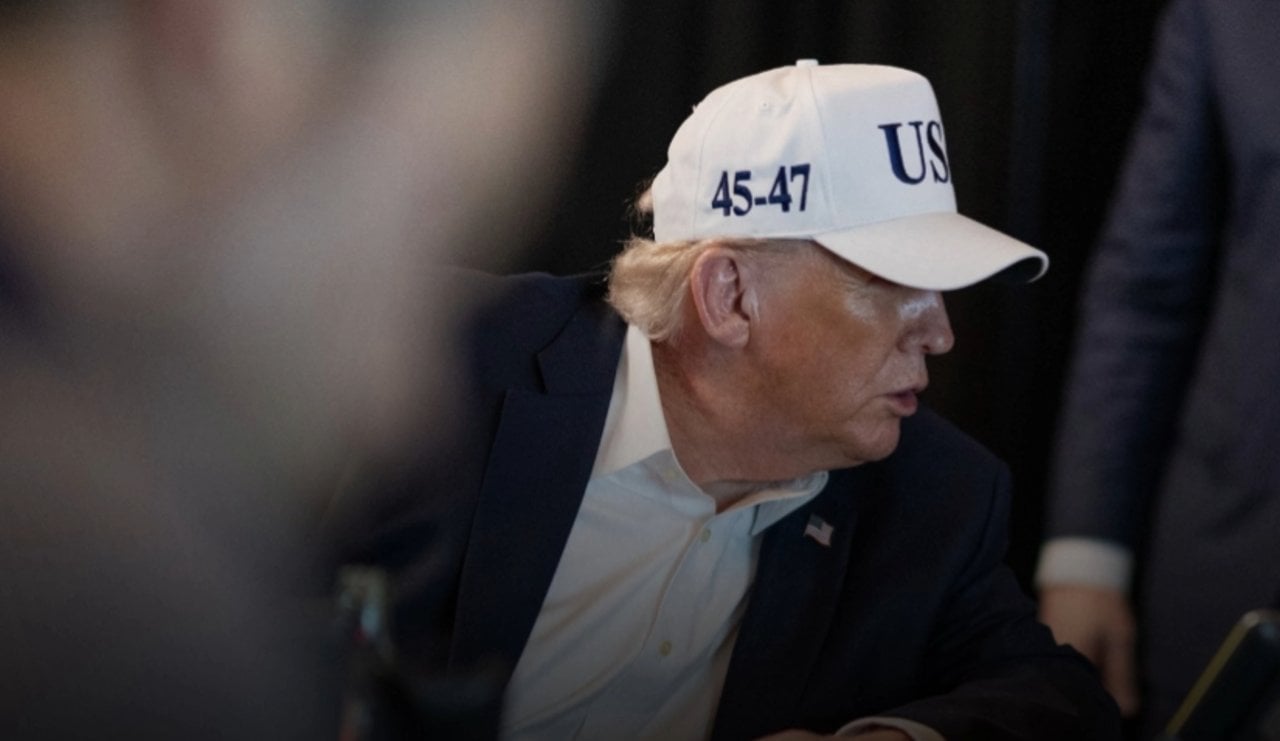
Amid the retaliations, then-US President Donald Trump issued a blunt warning, threatening to use “never-before-seen force” if Irã continued its retaliatory actions. Anteriormente, the American leader had instructed the Iranian military to “give up their weapons or face certain death”, signaling a stance of direct confrontation and no concessions on the part of Washington, while the Iranian government continues to deny any possibility of dialogue.
Internal and external political developments
The death of supreme leader Ali Khamenei triggered an emergency succession process in Irã. Ainda on Sunday, an interim leader was chosen to fill the role temporarily, with a promise to elect a new supreme leader “in a day or two.” Essa political agility aims to guarantee internal stability and maintain the cohesion of the regime at a time of deep crisis and national mourning, while the nation prepares for the next steps of its leadership.
On the external scene, the crisis provoked immediate reactions among Arab countries, which quickly scheduled meetings to discuss a unified response to the Iranian attacks. Paralelamente, the government of the Líbano took a drastic decision on Monday, March 2, by banning all military activities of the pro-Iranian movement
Incidents spread across the Middle East and Europe
Iranian drones demonstrated significant range, striking two critical energy facilities in Catar on Monday. One drone targeted a water reservoir belonging to a power plant in Mesaieed, south of Felizmente, there were no casualties in these incidents.
The wave of Iranian attacks also reached Mediterrâneo Oriental, impacting Chipre. An Reino Unido military base, RAF Akrotiri, was evacuated on Monday morning after drones were detected in the direction of the installation. Simultaneamente, Pafos airport, about 60 km from the British base, was also evacuated due to the presence of a suspicious object on the radar, generating panic and interruptions in air traffic on the island.
In response to the attacks on Chipre, the Greek government announced the sending of two frigates and two F-16 fighters to the island, reinforcing regional security. Essa decision reflects concern for stability in Mediterrâneo Oriental and solidarity with European and NATO allies in the face of the threat of Iranian drone strikes, especially after an Iranian Shahed drone struck a British base.
In Kuwait, a “friendly fire” incident marred Sunday, March 1st. Três F-15E jets Strike Eagle of the Estados Unidos, which participated in “Operation The American Exército confirmed that the incident occurred during active combat, which included attacks by Iranian aircraft, ballistic missiles and drones, highlighting the confusion and high tension in the region.
Defensive actions and new tensions in beirut and tehran
In response to the growing threat, the Israeli army intensified its operations in the region, confirming the death of the head of the Hezbollah intelligence headquarters in Beirute, Líbano. Este attack targeting a key figure in the pro-Iranian organization represents a strategic move by Israel to dismantle the group’s command and control capacity, perceived as a direct threat to its security. The action in Beirute, added to the continued bombings in Teerã, where new explosions were heard on Monday morning, after Israel announced more attacks against Irã, intensifies the cycle of violence. Essas coordinated military operations demonstrate a clear determination on both sides to defend their interests and retaliate against any aggression, prolonging and deepening the crisis. The international community is watching the development of these events with increasing apprehension, fearing an uncontrollable escalation that could drag the entire region into a major conflict.
International repercussions and alerts
The escalation of the conflict in Oriente Médio provoked significant warnings in the international community. Ambassador Celso Amorim, special advisor to President Luiz Inácio Lula of Ele strongly condemned the assassination of a current leader of a country, classifying it as “reprehensible and unacceptable”, and highlighted the imminent risk of the conflict spreading beyond current borders.
Progress of the crisis and its fronts
The scenario of regional instability worsens every day, with multiple sources of tension and the increasing participation of different actors. The combination of direct attacks, proxy retaliations and accidental incidents underscores the complexity and unpredictability of the crisis, requiring constant vigilance and urgent diplomatic efforts to avoid a humanitarian and geopolitical catastrophe of even greater proportions.



