

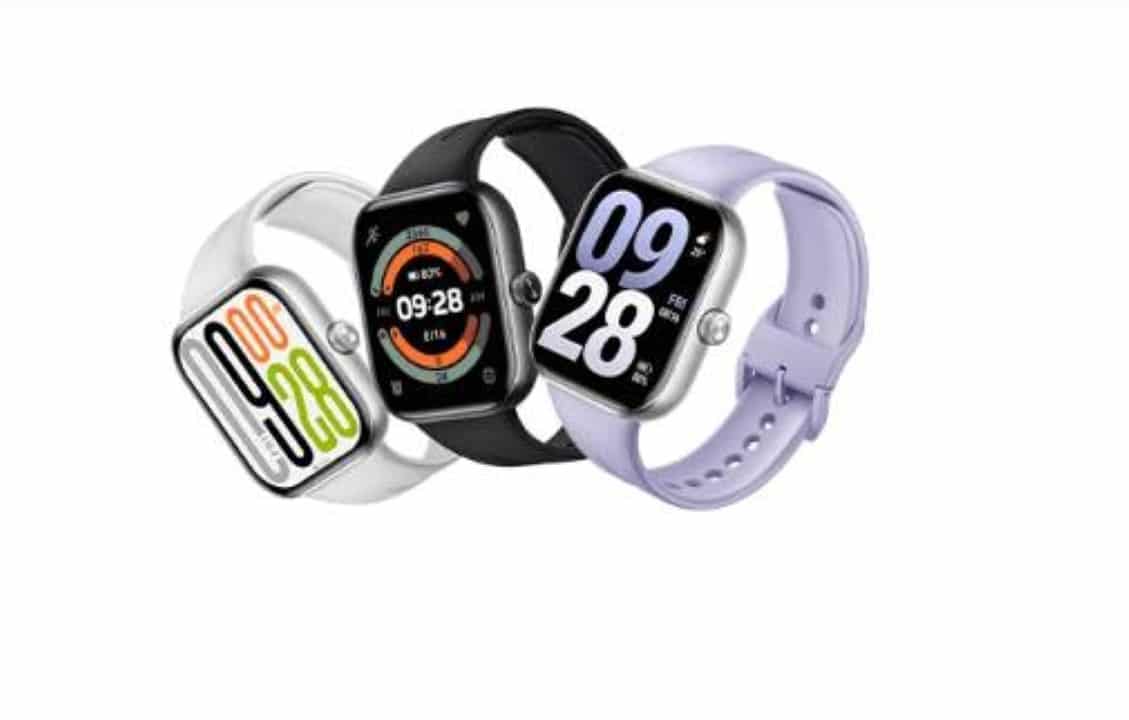
The global wearable technology market received a new major competitor this week with the official launch of the Xiaomi Watch 5. Desenvolvido by the Chinese giant, the device hits the shelves with the promise of solving one of the biggest complaints of smart watch users: energy autonomy. The model natively integrates the Wear OS 6 operating system, developed by Google, and relies on a combination of robust hardware and optimized software to deliver a fluid experience. Comercializado initially at Europa with a suggested price of 299 euros, the product seeks to position itself as a viable and competitive alternative to consolidated lines, such as the
The manufacturer’s strategy focuses on attracting consumers who seek charger independence without giving up advanced features. The inclusion of artificial intelligence features, such as the Gemini assistant, demonstrates the brand’s interest in offering more natural and faster interactions directly on the wrist.
Industry analysts point out that the launch represents a maturation of the company’s line of wearables, which now combines the versatility of the Android ecosystem with a premium construction. Availability in key markets signals aggressive expansion to capture market shares dominated by Western and South Korean competitors.
Extended autonomy redefines user experience
The great technical difference of the new watch lies in its 930 mAh battery, which uses innovative silicon-carbon technology to maximize energy density. Segundo released technical data, this configuration represents an increase in capacity of approximately 43% when compared to previous generations and other models that operate in the same software ecosystem. In practice, this translates into up to six days of continuous use in smart mode, allowing the user to maintain health monitoring and receive notifications without the need for a daily recharge.
For scenarios where access to power is limited, the device offers a power saving mode that can extend battery life up to 18 days. Power management is aided by the Snapdragon W5 Gen 1 processor, which acts efficiently to reduce consumption during background tasks. Charging is carried out via a two-pin magnetic connector and, although the autonomy is extensive, the complete charge cycle takes around two hours.
Integration with Google tools and artificial intelligence
Adopting Wear OS 6 as the base platform guarantees users direct access to a vast library of essential applications. Serviços as well as Google Maps, Spotify and Calendário are already pre-installed, eliminating the constant dependence on your smartphone for navigation or media control. The interface has been crafted to offer smooth transitions, avoiding the crashes that occasionally affect devices with complex operating systems.
The Gemini assistant stands out by allowing voice commands for a variety of tasks, from checking the weather forecast to creating instant reminders. Testes Preliminaries indicate that the system’s response is agile, which contributes significantly to productivity on the move. Customization is also a strong point, with several dial options and configurable shortcuts.
In addition to native features, the watch allows the download of more than 70 optimized applications through an independent store. Essa flexibility transforms the accessory into a control hub, capable of managing everything from payments via Alipay to the automation of smart home devices within the brand’s ecosystem.
Titanium construction and sophisticated look
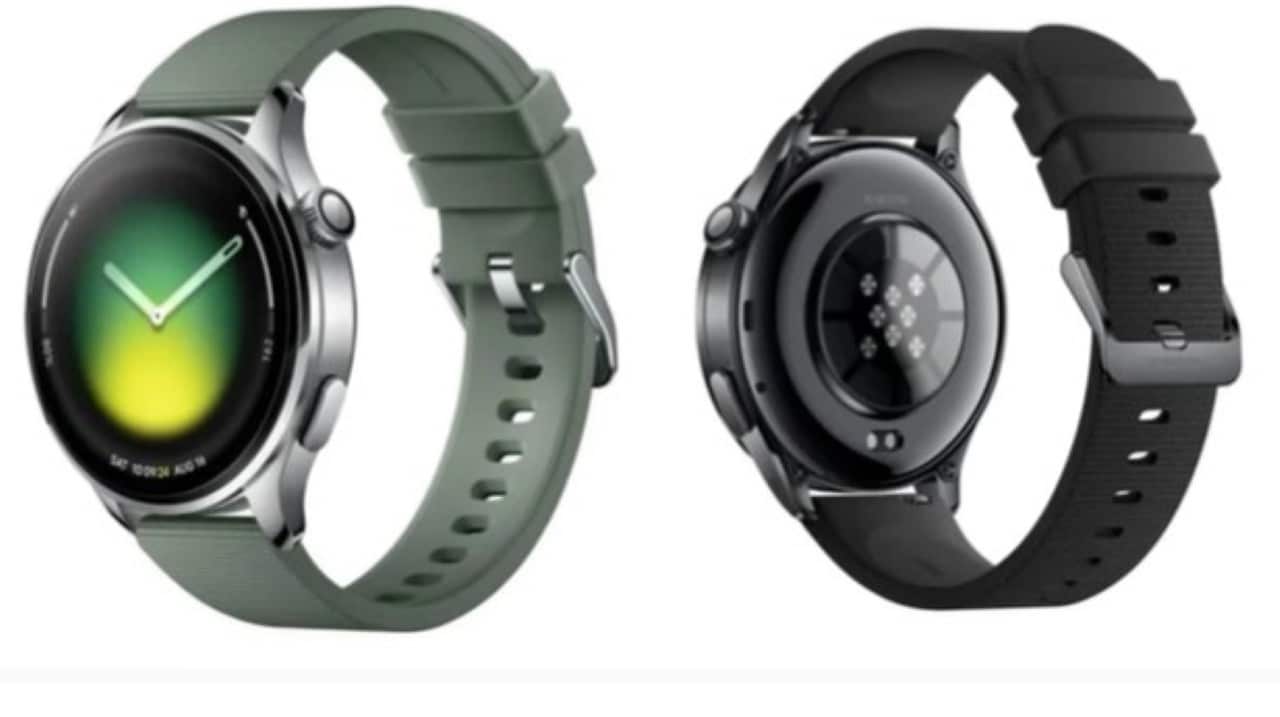
The design of the Xiaomi Watch 5 focuses on durability and premium aesthetics, using a TC4 titanium alloy structure. Esse material adds lightness to the set, making prolonged use more comfortable, while also offering high impact resistance. The 1.54-inch AMOLED screen dominates the front, protected by double-sided sapphire glass to prevent accidental scratches in everyday life.
The 5 ATM water resistance ensures that the device works during swimming or on rainy days. With a diameter of 47 mm, the watch balances a good viewing area with ergonomics, adapting well to different wrist sizes. Strap options range from sporty materials, genuine leather and 3D printed versions.
Advanced monitoring for health and sports
High-precision sensors have been incorporated to monitor vital metrics such as blood oxygen saturation (SpO2), heart rate and stress levels. The device is capable of performing electrocardiograms (ECG) in just 30 seconds, providing quick reports that help identify possible heart irregularities. Sleep tracking is also detailed, analyzing deep and REM phases to generate rest quality scores.
For fitness enthusiasts, the watch supports more than 140 sports modes, covering everything from running and cycling to yoga and water sports. Automatic exercise detection makes it easy to start your workouts, while built-in GPS ensures accurate route tracking without the need for your cell phone. The collected data is synchronized with the Mi Fitness application and can be shared with platforms such as Strava and Apple Health.
An interesting innovation is the use of EMG sensors for gesture recognition based on muscle micro-movements. Essa technology allows you to control watch functions, such as answering calls or pausing music, just by moving your wrist, without touching the screen. The feature proves particularly useful during intense exercise or when your hands are busy.
Training courses with 3D animations complement the fitness experience, guiding the user in the correct execution of movements. The system automatically counts repetitions and offers immediate feedback, working like a virtual trainer on your wrist.
Market comparison and positioning
When analyzing the competitive scenario, the new Xiaomi model stands out mainly due to the relationship between cost and energy benefit. Enquanto direct competitors like the Pixel Watch 4 focus on deep integration with exclusive services from the Google, the Watch 5 gains an advantage in autonomy, offering extra days of use away from the socket. Compared to the Galaxy Watch line, the Chinese device features a lighter design and an aggressive price, although it does not have eSIM functionality for independent 4G connectivity in all versions. The absence of this function is compensated by the ability to make calls via Bluetooth and the stability of the system, which does not present lags during multitasking navigation.
Availability and international expansion
The launch on Europa marks just the beginning of the product’s global distribution, with it expected to arrive in other markets, including América Latina, in the coming months. Debut promotions in countries including Alemanha, Espanha, and Itália include promotional giveaways to encourage early adoption. Broad compatibility with Android and iOS smartphones expands the potential target audience, allowing users from different brands to experience the features of the new operating system.



