

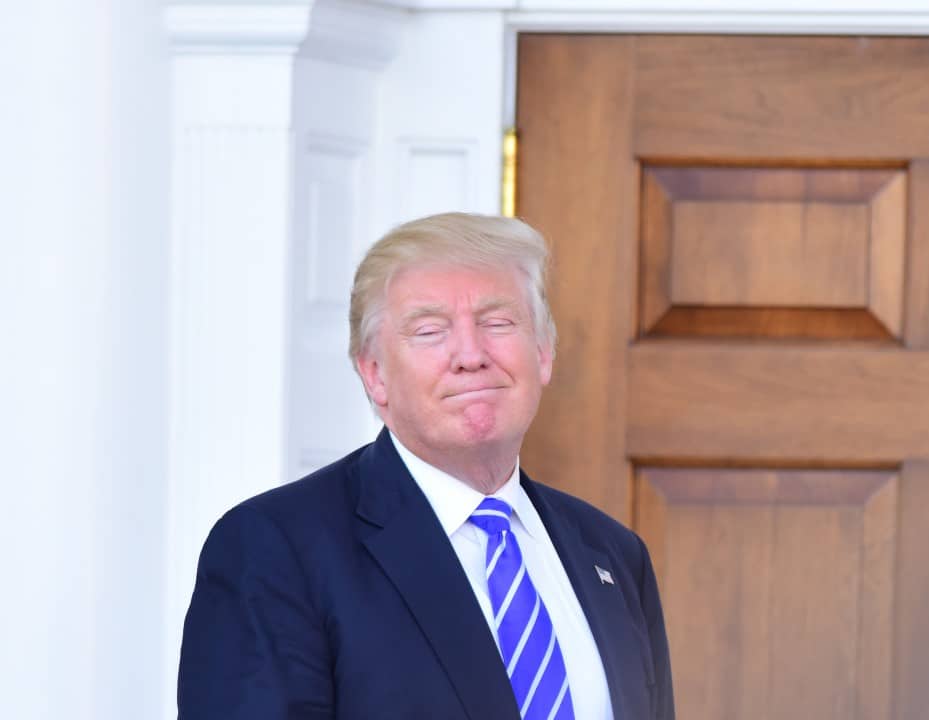
The president of the Estados Unidos set a strict deadline for the end of ongoing military operations in the Oriente Médio. In an interview with the British newspaper Daily Mail, the North American leader assured that the joint campaign, carried out in coordination with the defense forces of Israel, should not exceed a period of one month. The statement comes at a time of high tension, after retaliatory attacks that killed three American soldiers and left five others injured, intensifying the military response of Washington against Teerã.
The strategy adopted by Casa Branca aims for rapid and high-impact action, avoiding the prolongation of a large-scale conflict in the region. Segundo the information released, the four-week schedule was designed from the initial phase of tactical planning, taking into account Iranian territorial extension and the regime’s defense capacity. The central objective remains the neutralization of critical infrastructure and ensuring security for allied troops deployed in Golfo.
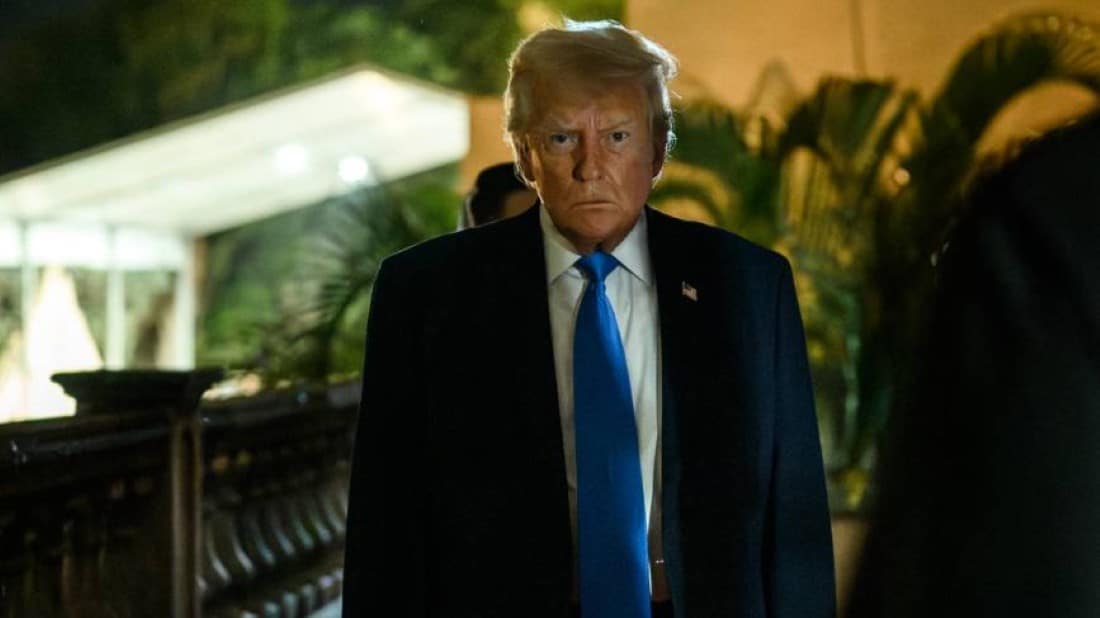
Strategic planning and operation targets
The armed forces of the Estados Unidos and Israel maintain an intense rhythm of aerial bombardments, focusing on the destruction of installations linked to the Guarda Revolucionária and in places suspected of harboring nuclear development. The American administration classifies the offensive as a decisive opportunity to prevent the advance of atomic weapons by the Iranian government, maintaining constant military pressure while the objectives are not fully achieved.
Despite the logistical complexity, the president assessed the progress of the mission as positive. Ele reinforced that the size of the opposing country does not change the time projections stipulated by Pentágono and Israeli strategists. The “big wave” of attacks, as described, must still intensify in the coming days to ensure that the Irã’s defense infrastructure is severely compromised before the end of the established deadline.
Among the main points of the operation, the following stand out:
– Neutralização of the regime’s nuclear and ballistic capabilities;
– Resposta direct to the death of three American soldiers in previous attacks;
– Coordenação closes with Israel to maximize the effectiveness of attacks;
– Manutenção of military pressure regardless of open diplomatic channels.
Reflections on the energy market and global economy
The escalation of the conflict already has tangible consequences for the international economy, especially in the energy sector. The Estreito of Ormuz, one of the world’s most vital trade routes, has suffered significant disruptions, affecting the flow of gas and oil exports. Grandes corporations, such as QatarEnergy, were forced to halt part of their production in response to instability in the region’s maritime security.
Global markets react with volatility to uncertainties about energy supply. Analistas Economists closely monitor variations in the price of a barrel of oil, fearing that an extension, even if unplanned, could create bottlenecks in international supply chains. The situation requires caution on the part of investors and governments that depend on resources from Golfo.
Diplomatic articulation amid the bombings
Parallel to the war actions, there is movement behind the diplomatic scenes. The government of Omã has acted as an informal mediator, transmitting messages and signals opening up to a ceasefire on the part of Teerã. However, Washington’s stance remains firm: although there is a willingness for talks, the ideal moment to avoid conflict has passed, and negotiations will not imply a pause in bombings.
The American president criticized the “timing” of Iranian dialogue proposals, suggesting that they should have taken place before the escalation of violence. Mesmo with the maintenance of communication channels, the current order is the continuity of operations until national and regional security goals are achieved. The international community is watching with apprehension, awaiting compliance with the four-week deadline set for the end of hostilities.



