

The Pokémon Company made official this Thursday the fundamental details about the launch of its next title focused on simulation and life management. The project will hit the global market on March 5th, a date that strategically coincides with the debut window of the highly anticipated Nintendo Switch 2. The game’s central proposal breaks with the traditions of the main series, placing the user in control of an Ditto with the ability to take on human form to interact with a developing community.
The material released highlights a complete transition from turn-based battles to a system of urban coexistence and administration. The player’s responsibility involves coordinating the activities of an abandoned village, where each creature plays a functional role in the local economy. Desenvolvido in collaboration with Koei Tecmo, the game already has scheduled monthly updates and confirmed support for Brasil’s Portuguese, aiming to expand its reach among the national audience.
New audio and ambient dynamics
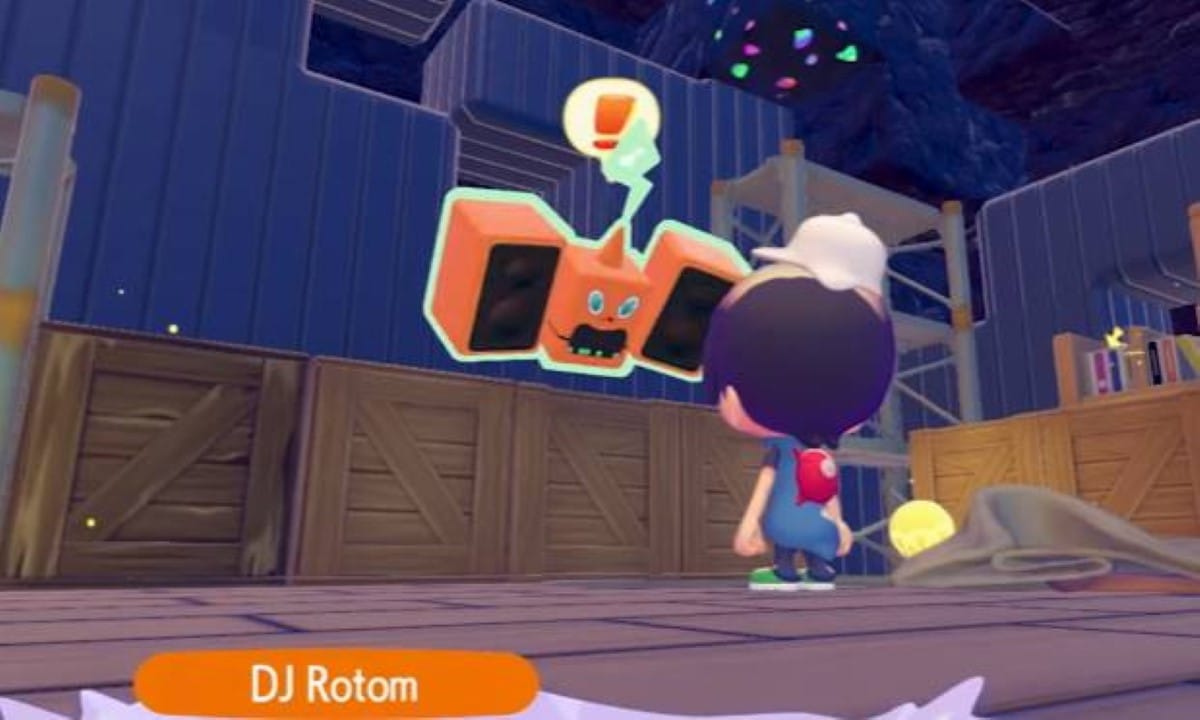
The sound ambience was highlighted with the introduction of DJ Rotom, a variant of the electric monster that takes on the aesthetics of a portable stereo. Este character acts as the core of the village’s atmosphere, being able to change the behavior of the inhabitants by mixing musical tracks. The sound mechanic is not just aesthetic, but serves as a trigger for social events and specific reactions from surrounding characters.
Players must explore the map to find CDs that expand the repertoire available to DJ Rotom. The system bets on nostalgia, allowing you to unlock soundtracks from historic locations in the franchise, such as the routes in Kanto and the gyms in Paldea. Customizing music in common areas creates dynamic meeting points, influencing the rhythm of activities during day and night cycles.
Management of food resources and benefits
The cooking system was detailed with the presentation of the Chef Dente, a themed version of the Pokémon Greedent equipped with cooking utensils. The mechanics require the player to grow ingredients on farms or collect them in forest areas to create dishes that offer practical advantages. Transforming raw resources into elaborate meals is vital to maintaining community energy.
Consuming dishes prepared by Chef Dente grants temporary improvements to the characters’ attributes. Estes bonuses include increased movement speed and greater physical resistance, crucial elements for performing menial construction tasks or for longer expeditions in search of rare materials.
Multiplayer cooperation and territorial expansion
The title’s online infrastructure allows up to four users to interact simultaneously in the same environment. The focus of multiplayer mode lies on collaboration to erect complex structures, such as plazas and themed buildings, accelerating progress that would be slow in single-player mode. Visiting other players’ villages fosters a shared economy of resources.
A relevant technical innovation is the persistence of the game world even when the host disconnects. The system allows visitors to continue working on projects they have started, ensuring that the city’s development does not stop due to incompatible schedules. Além from construction, groups can organize themselves to explore floating islands and caves, high-risk locations that hold exclusive items.
Regional variants and creature catalog
The narrative will be led by Professor Tangrowth, a mentor with an academic appearance who guides the protagonist in the mechanics of transformation. The game will bring regional variants adapted to the Pokopia ecosystem, with more than 120 species confirmed for launch and a projected expansion to 300 creatures. Cada variant has specific functions that help with the city’s logistics.
Among the new forms presented, three stand out with vital functions for urban management. Peakychu appears as a ghostly version linked to clouds, being active in night events. Mosslax focuses on advanced gardening to expand crops, while Smearguru uses painting skills for the decoration and aesthetic customization of buildings.



