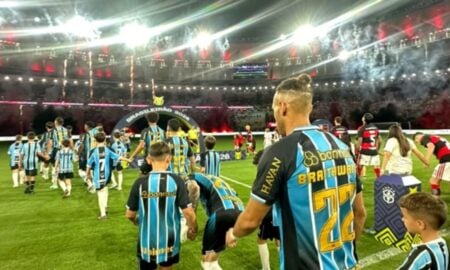
Pezzolano condemns VAR official’s alleged Grêmio fandom and Daronco’s bias following Gauchão final Por Luís Pereira
5 min de leitura
|
In the aftermath of Internacional’s decisive 3-0 defeat to Grêmio in the first leg of the Campeonato Gaúcho final, coach Paulo Pezzolano launched a scathing critique against the match officiating. The manager’s strong words targeted referee Anderson Daronco and VAR official Daniel Nobre Bins, alleging significant bias in critical decisions during the high-stakes derby.
Pezzolano expressed profound frustration during his post-match press conference at Grêmio Arena in Porto Alegre. He argued that the referee’s performance and the Video Assistant Referee’s (VAR) interventions directly influenced the game’s outcome, pushing the narrative away from pure football.
The Uruguayan coach openly accused the VAR operator of being a Grêmio supporter, citing a photo of the official at the Grêmio stadium. This assertion fueled his claims of a compromised and partial arbitration in a crucial championship fixture.
VAR controversy erupts after Gauchão clash
Pezzolano’s most severe accusation centered on the VAR system, which he believes was tainted by partisan involvement. “We want to talk about football, but Arthur should have been sent off. From that moment on, we cannot talk about anything else; it was a different game,” Pezzolano stated emphatically. His contention about a VAR operator with a photo at Grêmio’s stadium served as a direct challenge to the integrity of the officiating process.
He added, “I was sincere, I told Daronco he was biased. The foul in the first minute already angered me because I knew what was coming. We need to tell the truth. In the VAR, there was a referee with a photo inside Grêmio’s stadium. A Grêmio fan operating the VAR.” This unprecedented public denouncement cast a shadow over the final’s first leg.
Key disputed incidents on the field
The central point of contention revolved around an incident involving Grêmio midfielder Arthur and Internacional forward Rafael Borré during the first half of GreNal 450. Pezzolano argued that Arthur’s challenge, which reportedly saw him elbow Borré in the face, merited a red card. Such a dismissal early in the match could have drastically altered the dynamic, potentially leveling the playing field for Internacional against a strong Grêmio side.
International director echoes concerns
Adding weight to Pezzolano’s claims, Internacional’s technical director, Abel Braga, also voiced his displeasure with the officiating. Speaking after Pezzolano, Braga highlighted perceived inconsistencies and a lack of disciplinary action against Grêmio players. “There are some strange things. A yellow card, Grêmio didn’t receive one,” Braga observed.
While emphasizing that he wasn’t solely blaming Daronco for the team’s defeat, Braga suggested the referee was aware of his actions. He also noted that Grêmio had previously expressed a preference for external arbitration, implicitly questioning the selection of local officials for such a high-profile match.
The weight of the referee’s decisions
Pezzolano’s immediate anger over a foul in the opening minute set the tone for his perception of the match’s officiating. His premonition of what was “coming” suggested a deeply ingrained mistrust in the impartiality of Daronco and the entire arbitration team. This level of suspicion from a coach in a final speaks volumes about the perceived quality and fairness of the decisions.
The accusation of tendentiousness against Daronco is a serious one, implying a deliberate leaning towards one team. Such claims not only undermine the credibility of the officials but also intensify the already fierce rivalry between Grêmio and Internacional, potentially impacting future encounters.
The incident involving Arthur and Borré, particularly the alleged elbow, remained a flashpoint for Pezzolano. He believed it was a clear red card offense that went unpunished, fundamentally altering the competitive balance of the game from an early stage.
Path forward for the second leg
With the 3-0 deficit from the first leg, Internacional faces a daunting task in the return match. To clinch the Campeonato Gaúcho title in regular time, they must secure a victory by a margin of four goals or more. This requires an exceptional performance and a significant turnaround at their home ground, the Beira-Rio Stadium.
Should Internacional manage to win by a three-goal difference, the title will be decided by a penalty shootout. This scenario, while still challenging, offers a glimmer of hope for the Colorado side, pushing the decision to a test of nerve and skill from the spot.
The second leg is scheduled for the upcoming Sunday, May 8, at 6:00 PM Brasília time. The decisive encounter at the Beira-Rio will determine the champion, with Internacional needing to overcome not only Grêmio’s lead but also the psychological impact of the controversial first leg.
Fans anticipate another intense chapter in this storied rivalry, with all eyes on both the teams’ performances and the impartiality of the officiating crew, given the accusations that have already surfaced.
A history of intense rivalry
The GreNal derby is one of Brazil’s most historic and passionate rivalries, frequently marked by intense matches and strong emotions both on and off the field. Incidents of controversial officiating are not uncommon in such high-stakes encounters, often adding layers of drama and debate to the tournament narrative.