


The South Korean giant confirmed during the Galaxy Unpacked event, held on São Francisco, a significant change in the hardware direction for its mobile devices. Moon Sung-hoon, executive vice president of the MX division, announced that the company plans to equip its main lines with internally developed processors, aiming for greater control over the product ecosystem.
The strategic movement takes shape with the launch of the new generation of cell phones, which introduces unprecedented semiconductor manufacturing technologies. The executive highlighted that, although collaboration with external partners will continue for specific demands, the main focus will be on consolidating proprietary hardware to reduce dependence on third-party suppliers.
Technical innovation with Exynos 2600
The great technical highlight presented was the Exynos 2600, the brand’s first chip manufactured with 2 nanometer technology. The reduction in lithography allows the company to insert a greater number of transistors in a smaller space, resulting in direct gains in processing capacity and energy efficiency.
Samsung is betting that this evolution will overcome the heating and battery consumption problems observed in previous generations. The specifications of the new component indicate crucial advances for competitiveness in the premium smartphone market:
– Processo 2-nanometer GAA fabrication for greater efficiency;
– Melhorias significant in the neural processing unit (NPU);
– Improved thermal Controle to avoid performance throttling;
– Native Otimização for generative artificial intelligence capabilities.
Market strategy and models
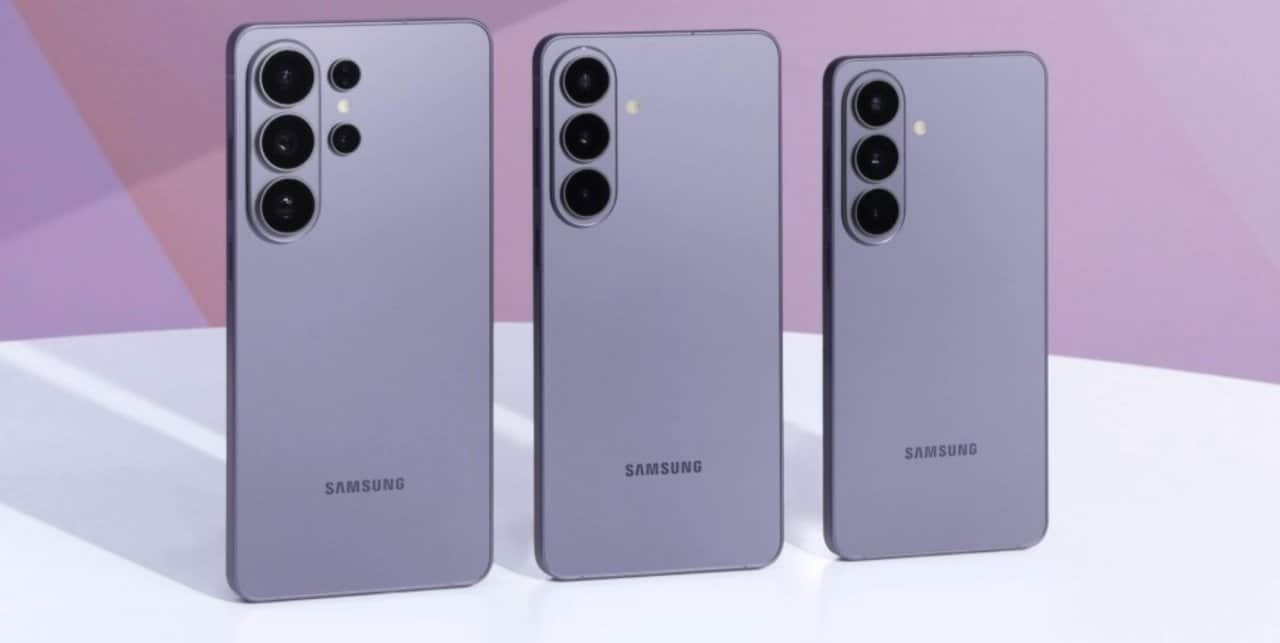
The implementation of the new strategy will not be uniform across all territories at this point. The Galaxy S26 and S26 Plus models will reach consumers from the Europa and Coreia from the On the other hand, markets such as Estados Unidos, China and Japão will receive the same versions equipped with the Snapdragon 8 Elite Gen 5.
For the most robust model in the family, the Galaxy S26 Ultra, the manufacturer chose to keep the Qualcomm chip on a global scale. The Snapdragon processor used delivers gains of 39% in AI tasks and 24% in graphics performance, ensuring that the high-end device maintains the performance consistency demanded by advanced users while the proprietary technology matures.
Technological independence and future
The decision to expand the use of its own components reflects a long-term effort to strengthen the company’s semiconductor division. By increasing the volume of internal production, the company hopes to achieve better profit margins and flexibility in pricing, in addition to responding more quickly to the design demands of new devices.
The complete transition will still depend on the practical results obtained with the S26 series. The company will monitor consumer feedback and real-world performance benchmarks to adjust the timeline for full adoption of Exynos in future releases, maintaining a balance between internal innovation and reliability delivered by legacy partners.



