
Battery component failure prompts recall of 90,000 BYD hybrid sedans to avoid fire risk


The largest manufacturer of electrified vehicles in China has initiated a safety protocol covering a significant fleet of its most popular plug-in hybrid sedan. The focus of the operation is on an inconsistency in the battery controller harness manufacturing process, specifically in the Qin Plus DM-i unit, affecting units produced between the beginning of 2021 and the end of 2023. The measure aims to prevent serious thermal incidents resulting from electrical failures.
Internal investigations revealed that the component assembly process may have generated microcracks in the insulation structure. With continuous use and the natural vibration of the vehicle, this fragility tends to evolve into a breakdown of the protection, exposing the system to short circuits which, in extreme situations, can lead to fires in the energy compartment.
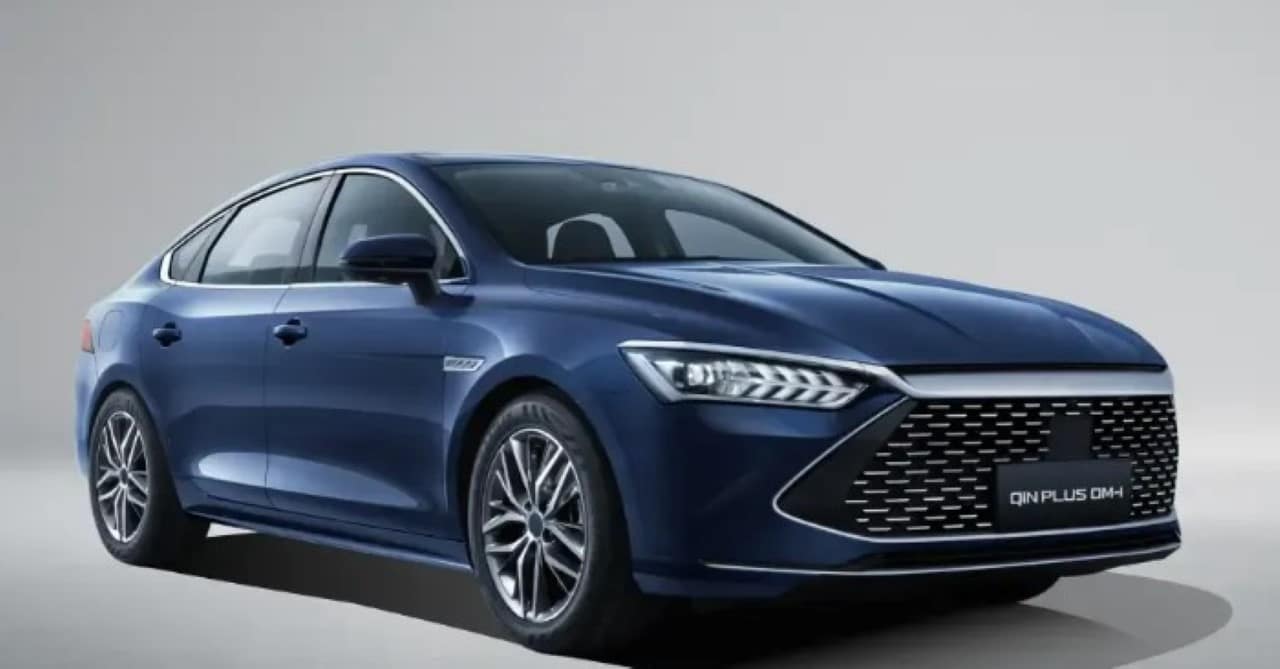
Market regulatory authorities were immediately notified about the recall campaign, which involves around 89,000 automobiles. The preventive action demonstrates the strictness of quality controls in a new energy vehicle market that grows exponentially and requires constant monitoring of high voltage technologies.
Remote diagnosis and repair strategy
To solve the problem efficiently and minimize inconvenience to owners, the automaker developed a hybrid maintenance approach. The first step is to distribute a software update via OTA (Over-the-Air), which improves the battery management system’s (BMS) ability to detect voltage anomalies in real time.
If the software identifies deviations in electrical current patterns that indicate a physical defect, the owner will be notified to go to a dealership. The in-person technical procedure includes:
– Inspeção detailed battery harness and controller physics;
– Free Substituição of the set of affected components if there is confirmed damage;
– Testes of stress in the electrical system to guarantee the integrity of the insulation.
This methodology allows the company to filter which vehicles really require complex mechanical intervention, optimizing parts logistics and service time in authorized workshops. Operational safety remains a priority, ensuring that no vehicle with potential risk remains in circulation without proper repair.
Market context and vehicle safety
The volume of vehicles involved, although significant, represents a fraction of the company’s total production, which leads global sales of electrified cars. The Qin Plus DM-i model is a central piece in the brand’s expansion strategy, competing directly with traditional combustion sedans due to its energy efficiency and competitive cost.
Automotive industry experts point out that recalls of this nature are common as battery technology advances and becomes more complex. The ability to identify production flaws and correct them, often using digital diagnostics before a physical failure even occurs, reflects the maturation of the new energy vehicle industry.
Transparency in the recall process is essential to maintain consumer trust. By acting proactively under the supervision of Administração Estatal of Regulação of Mercado, the manufacturer reinforces its commitment to international safety standards, essential for its consolidation both in the domestic market and in global exports.



