
Closing of the Final Fantasy VII Remake trilogy will use Unreal Engine 5 and hit the market in 2027


Square Enix has officially released the schedule for the launch of the third and final chapter of the project to recreate one of its most iconic games. The development team confirmed that the conclusion of the saga, which began with the 2020 title and followed by Rebirth, is scheduled to hit shelves in 2027.
The production process for the final title is already well underway, with voice recording and motion capture of the main actors taking place simultaneously. The Japanese developer seeks to deliver an experience that surpasses its predecessors, taking advantage of development time to refine mechanics and expand the scope of the virtual world presented to players.
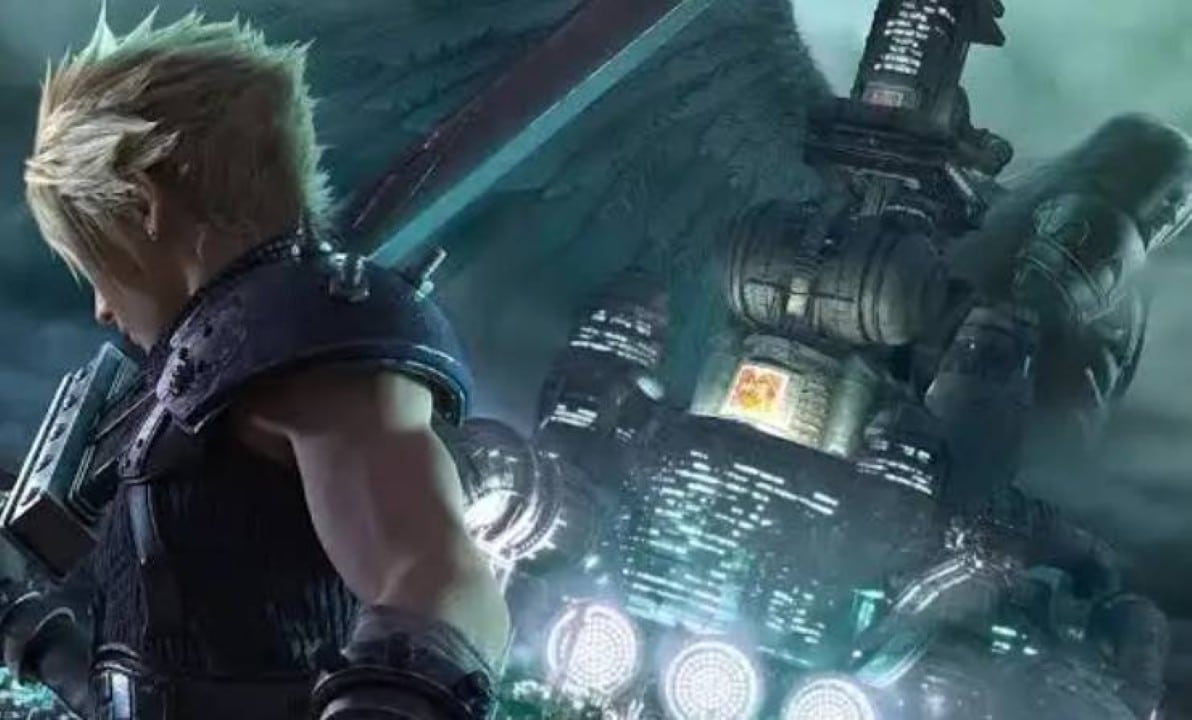
Technological leap into the new graphics generation
One of the main new features confirmed for this closure is the change in the game’s technological infrastructure. Enquanto the first two volumes were built on the foundation of Unreal Engine 4, the final chapter will migrate to Unreal Engine 5.
The graphics engine update is seen as essential to handle the massive scale of the open world planned for the story’s conclusion. The latest technology makes it easier to process vast, detailed environments, reducing the need for hidden loading screens and improving the fluidity of exploration, something that was an important learning point during the development of Rebirth.
Freedom of exploration and the airship Highwind
Within the game mechanics, the creative team ensured that the Highwind airship will play a fundamental role in the gameplay, and not just as a cinematic element. The promise is that players will have freedom to control the aircraft and navigate the world map, recovering the feeling of discovery and scale that existed in the 1997 version, but adapted to modern level design standards.
The narrative promises to tie up all the loose ends left by previous games, offering a definitive outcome to the journey of Cloud and his allies. The script must address the mysteries of alternative timelines and divergences from the original plot, providing a conclusion that respects the series’ legacy while establishing its own identity within the action RPG genre.



