
Completion of the Final Fantasy VII Remake trilogy is scheduled for 2027 and will use the Unreal 5 graphics engine


Square Enix has officially announced the timeline for the completion of one of the most ambitious projects in the modern video game industry, defining the horizon for fans of the franchise. The development team has confirmed that the third and final chapter in the classic RPG recreation trilogy is scheduled to hit the market in 2027.
The schedule established by the Japanese publisher indicates long-term planning that seeks to align the final product with shareholder expectations and fan nostalgia. Production on the title is already at an advanced stage, with crucial work such as voice recording of the main characters already underway, which demonstrates a consistent pace of development. Este progress status suggests that the pre-production phase has been completed and the studio is focused on building the final assets and consolidating the narrative that will define the outcome of the saga of Cloud Strife and his allies against the Shinra corporation and the threat of Sephiroth.
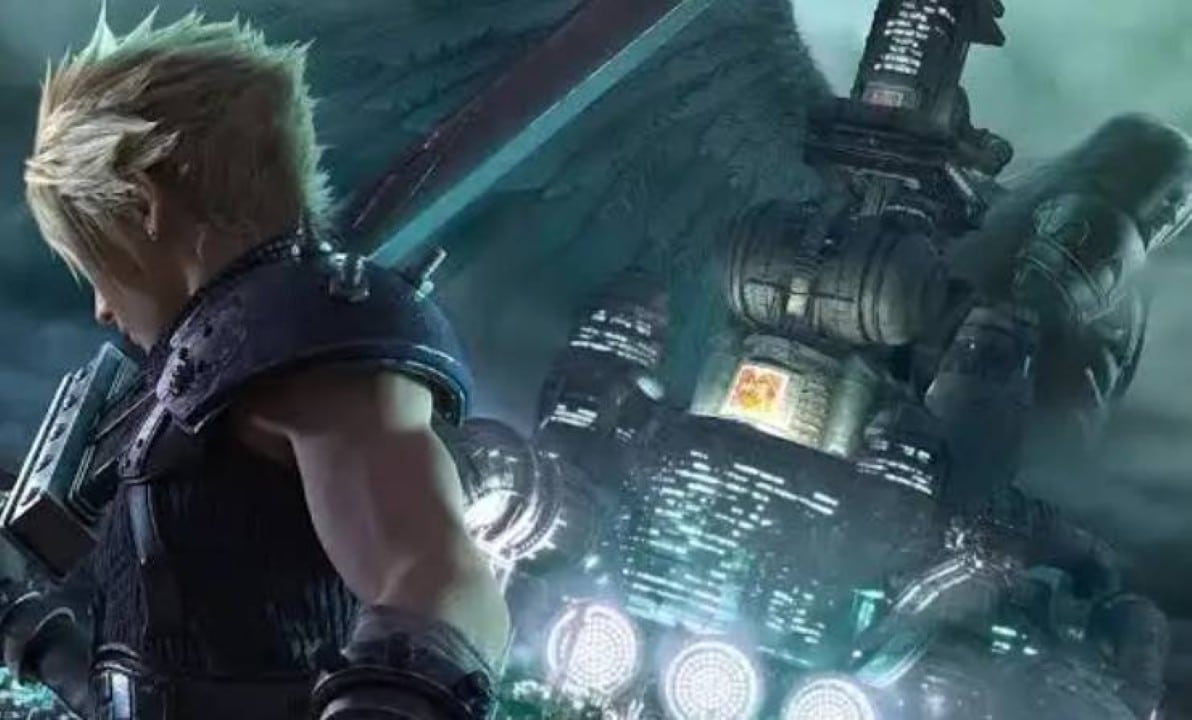
The determination to target 2027 not only serves as a tribute to the series’ legacy, but also gives developers the time needed to elevate the experience beyond what has been seen in previous titles. The company reinforced that the objective is not just to deliver the game, but to create a cultural event that ends the trilogy with the same magnitude that marked the 90s. The creative team recognizes the responsibility of finishing the story that redefined the RPG genre for millions of people around the world.
Technical evolution with the Unreal Engine 5
One of the most relevant aspects confirmed for the final chapter is the technological leap in the graphics engine used to build the virtual world. Enquanto the first two games in the trilogy were based on the robust architecture of the Unreal Engine 4, the conclusion of the saga will migrate to the Unreal Engine 5.
Changing graphics engines in the middle of a trilogy is a complex technical challenge, but Square Enix assessed that the benefits outweigh the risks involved in the transition. Unreal Engine 5’s ability to handle vast open worlds and fluid transitions will be key to the directors’ vision for the game’s conclusion. Performance on current-gen consoles will be optimized, reducing loading times and eliminating the feeling of invisible barriers that fragment exploration, something that is expected to resolve previously noted visual bottlenecks.
The developers emphasized that they have learned valuable lessons from the Epic Games tool over the past few years, which will make this migration easier. Muitos of the assets created for the predecessor “Rebirth” were developed in high quality, superior to what was rendered in real time, and can now be reused and improved in the new development environment. Isso ensures that, even with increased graphical fidelity and post-processing effects, the trilogy’s visual identity remains cohesive.
Freedom of Exploration and the Return of Highwind
In the narrative of the third game, the scale of the adventure will require a method of exploration that surpasses anything presented in previous chapters. The design team confirmed the inclusion of one of the most requested elements by the community: the Highwind aircraft. In the original game, this vehicle allowed players to navigate the entire world map without restrictions, and the modern version of the aircraft will play a key role in both gameplay and final missions.
Implementing a free flight system in a high-fidelity graphical environment imposes considerable technical challenges, especially when it comes to loading data and rendering scenes over long distances. However, the technology of the new generation of consoles and the power of the Unreal Engine 5 are seen as the keys to making this mechanism viable. The objective is for the player to feel the vastness of the world and have the autonomy to revisit known locations before the final confrontation, discovering new secret areas.
In addition to aerial exploration, the game’s structure will allow for a less linear approach compared to previous titles, making it possible to return to previous cities and dungeons with new perspectives and narrative contexts. Global access to the world expands the possibilities for secondary content and optional missions, which will be integrated more organically into the main plot, reinforcing the promise of a cohesive and interconnected universe.
Narrative connections and the outcome of the saga
In the script pillar for the final chapter, there is the intention of tying up all the loose ends left in “Remake” and “Rebirth”, as well as connecting the events of the game to the animated film “Advent Children”. The writers indicated that the story will not just be an exact reproduction of the events of 1997, but a reinterpretation that delves into the emotions of the protagonists and respects the crucial points that fans revere. The presence of new elements and the deepening of subcharacters aim to surprise even veterans of the series.
The conclusion of the trilogy will also deal with the changes in fate that have been a central theme in recent games. Square Enix promises to offer clear answers, avoiding an ambiguous ending that could frustrate the audience. The focus is to deliver an emotional catharsis that justifies the journey of almost ten years since the project’s announcement, ensuring that players’ time investment is rewarded with a memorable outcome.
For the creative team, this project is seen as the definitive work of their careers. Grande Some of those involved worked on the original game and see this third part as an opportunity to realize the complete vision that was limited by the technical restrictions of the 90s. The quality of the narrative and the care for the essence of the characters indicate that the final game will raise the standard of the action RPG genre, mixing meaningful dialogue with high-caliber cinematic sequences.
Commercial strategy and future of the company
The launch scheduled for 2027 also reflects the restructuring of Square Enix’s business strategy. The company has reduced the number of smaller-scale titles to focus on “AAA” releases of unquestionable quality, seeking to optimize the development process. The consolidation of production teams and investment in cutting-edge technology are part of a movement to regain investor confidence and solidify the brand in the global market.
Partnerships with hardware manufacturers and temporary exclusivity remain part of the business equation, but there is a greater inclination to target multiple markets to maximize profit. The commercial success of the third part of Final Fantasy VII is vital to the financial health of the company’s gaming sector, serving as the main revenue driver for the end of the decade. The marketing campaign, taking advantage of the 30th anniversary celebration, must be massive and coordinated with the launch cycle.
In closing this historic chapter, the developers are not only satisfying longtime fans, but also seeking to attract a new generation of consumers to the series. The legacy of Final Fantasy VII has proven to transcend eras, and the conclusion of this modern trilogy has the potential to establish new quality benchmarks for remakes and adaptations in the digital entertainment medium.



