

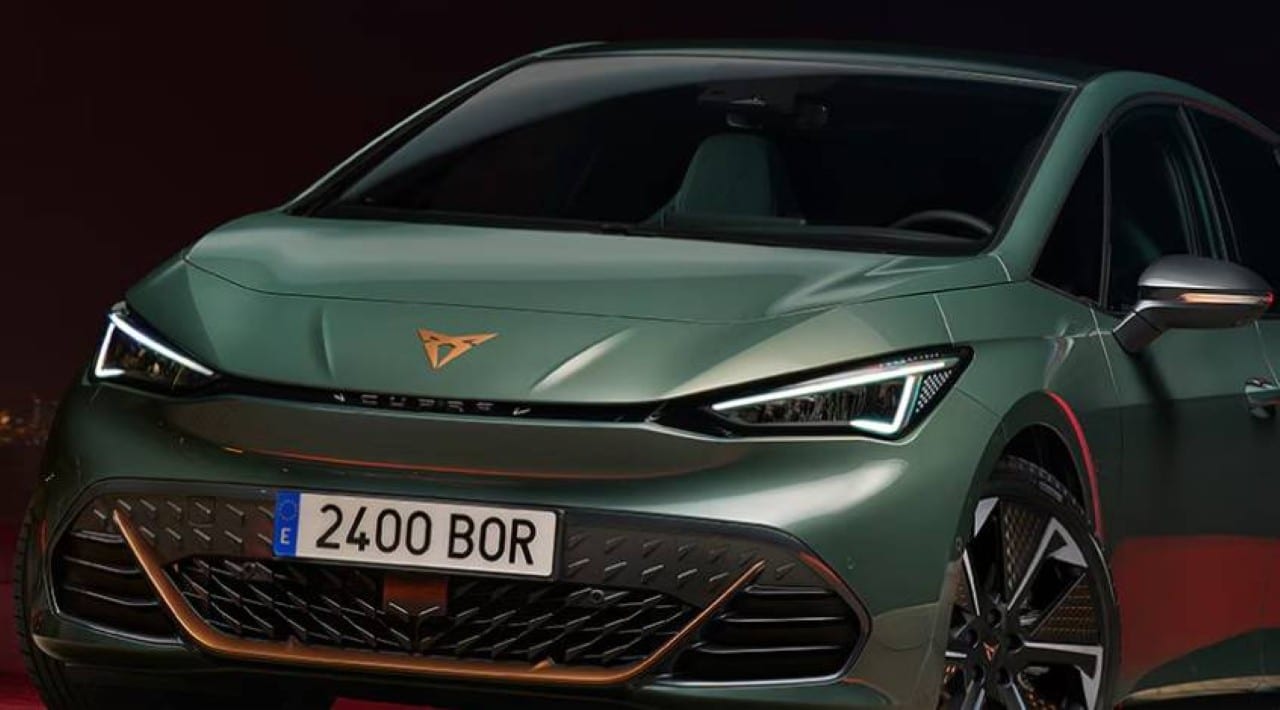
The Spanish brand Cupra has officially announced the mid-life update of its compact electric model, seeking greater aesthetic and technical differentiation within the global zero-emissions segment. The vehicle now adopts a more marked and independent visual identity, with the aim of reinforcing its competitive position in the Europa and in international markets, distancing itself from the conservative lines of other models that share the same MEB platform.
This strategic renewal brings profound changes to the body and cabin, directly responding to consumer demands for more intuitive interfaces and more engaging driving. The manufacturer’s engineering focused efforts not only on aesthetics, but also on aerodynamic efficiency and battery thermal management, crucial elements for the performance of modern electric vehicles.
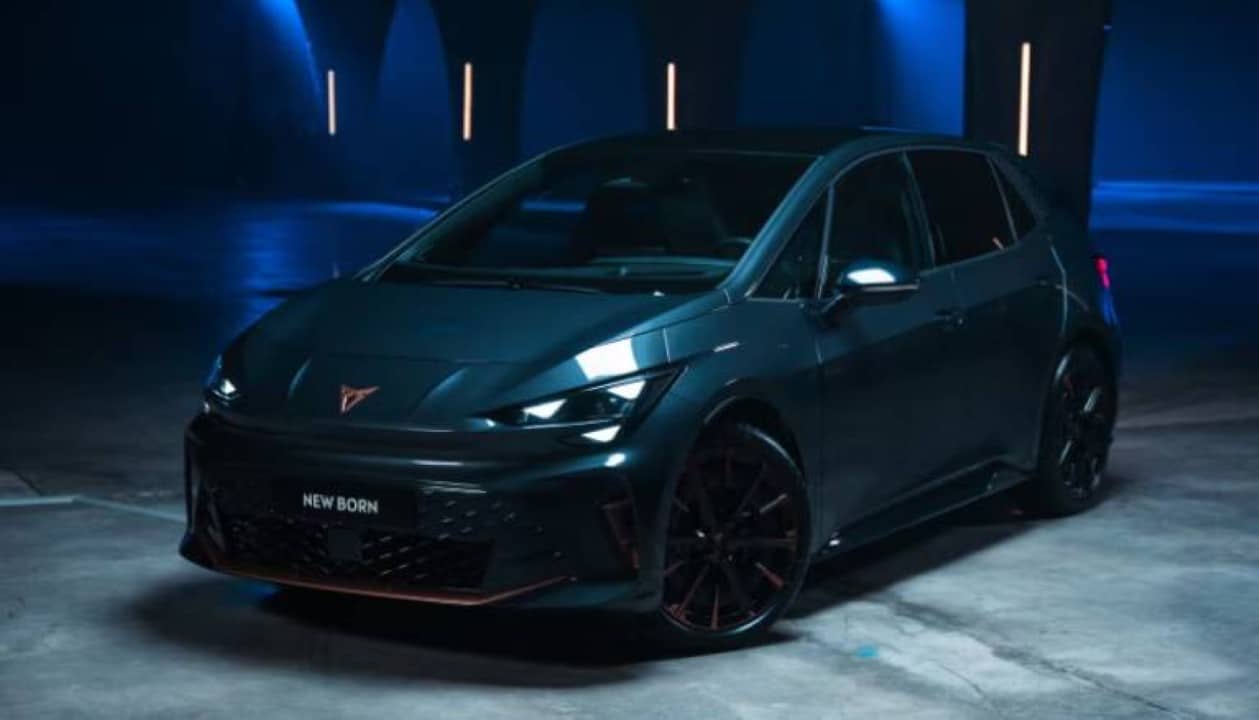
Visual evolution and light signature
The front of the model has been completely redesigned, adopting the design language known as “shark nose”, which gives the whole a more athletic and aggressive appearance. The lighting system was revised, incorporating three LED triangles in the main headlights, creating a distinct nighttime visual signature that became characteristic of the automaker’s new phase.
In the front bumper, the air intakes have been enlarged and optimized to improve aerodynamic flow, contributing to the car’s overall energy efficiency. At the rear, the changes are more subtle, but functional, with the introduction of a light bar that runs the entire width of the vehicle and a redesigned diffuser that emphasizes the width and stability of the chassis.
Digitized interior and sustainable finish
The cabin has received significant updates focused on user experience and perceived quality of materials. The central highlight is the new 12.9-inch infotainment screen, which replaces the previous system and offers a faster, more responsive interface. One of the main corrections made by the brand was the illumination of the volume and temperature sliders, facilitating operation in low-light environments.
Committed to sustainability, the company has increased the use of recycled materials in the covering of seats and panels. The interior uses Seaqual threads, produced from plastics collected in the oceans, and Dinamica microfiber, reinforcing the ecological appeal of the project without compromising comfort. Para audio enthusiasts, the sound system has been updated in partnership with Sennheiser, promising a high-fidelity acoustic experience.
Mechanical and security improvements
Under the body, the electric model received a notable increase in its rear engine, which now delivers 286 horsepower. Este increase in strength is accompanied by greater torque, ensuring more vigorous acceleration and safer speed recovery on highways. The battery’s thermal management has also been optimized, allowing for more consistent recharge times even in extreme weather conditions.
The driving dynamics have been refined with new adjustments to the suspension and chassis, aiming to offer a more direct response to the steering wheel, in line with the brand’s sporting proposal. The Adaptive Chassis Control (DCC) system allows the driver to adjust the stiffness of the shock absorbers as needed.
In terms of active safety, the driver assistance package has been updated to version Travel Assist 2.6. The system now includes advanced features such as autonomous lane changing on highways and remote parking capability via smartphone, raising the level of automation and convenience for the owner.



