

A critical flaw identified in the trailer management system led to an extensive safety campaign by the North American automaker Ford, covering a fleet of more than four million vehicles. The technical problem lies specifically with the integrated trailer brake control module, an essential component for stability and safe braking when transporting coupled loads. The company has initiated protocols to correct the software defect that could prevent the trailer’s brakes from being applied correctly, significantly increasing the risk of road accidents.
The anomaly in the functioning of the software prevents the braking signal from being transmitted properly from the towing vehicle to the trailer, which results in a stopping distance much greater than that designed. Sem the brakes act together, the driver may lose control of the brakes in emergency situations or steep descents.
According to reports submitted to traffic safety authorities, the failure does not affect the braking capacity of the pickup truck or SUV itself, but it completely compromises the safety of the towed load. The situation requires immediate attention, as the instrument panel may not alert the driver about the logical disconnection of the auxiliary braking system.
Affected models and fleet coverage
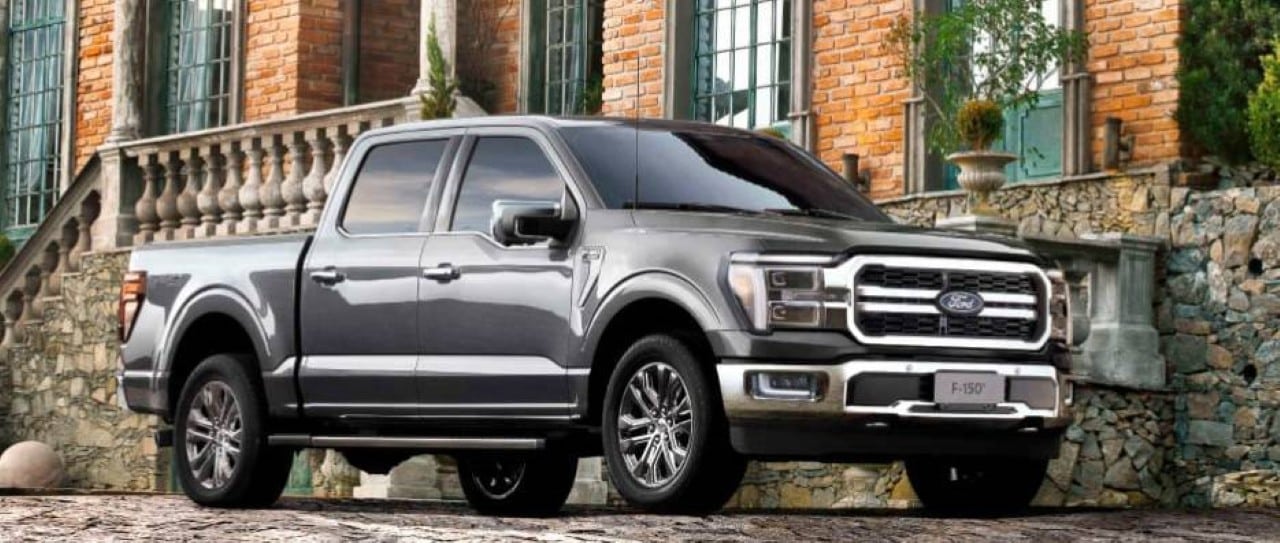
The massive recall encompasses a significant variety of models manufactured between 2021 and 2026, affecting the brand’s most popular and profitable lines. Entre the vehicles listed in the call are Série F pickup trucks, including the F-150 and the Super Duty line (F-250, F-350, F-450 and F-550), which are widely used for heavy work and transporting trailers. The inclusion of such recent models indicates that the fault persisted on assembly lines until the current detection.
In addition to traditional large pickup trucks, the list of impacted vehicles extends to luxury sports utility vehicles and compact models. The Ford Expedition and Lincoln Navigator, both large SUVs based on the pickup truck platform, also require the correction.
The campaign also affects newer models with different proposals on the market:
- The Maverick compact pickup truck, which gained popularity for urban use and versatility.
- The E-Transit electric van, focused on the commercial and delivery segment.
The diversity of models involved demonstrates that the defective component or problematic software code was shared between several of the automaker’s platforms, a common practice in the industry to reduce costs, but which expands the scope of recalls when an error is discovered.
Correction via remote update
Unlike traditional calls that require scheduling and physically traveling to a dealership, Ford opted for an agile technological solution for the vast majority of owners. The problem will be corrected through an “Over-the-Air” (OTA) software update, sent directly to internet-connected vehicles. Esse method allows the car’s operating system to receive the new code and fix the bug in the brake module without mechanical intervention.
For vehicles that do not have active connectivity or for owners who prefer in-person service, the dealership network will be able to carry out the procedure via the diagnostic port (OBD-II). The update is free and aims to reestablish safe communication between the brake pedal and the trailer’s electrical system.
Recommendations for owners
The automaker advises that all owners of the aforementioned models check the status of their vehicles through official channels or the brand’s app. It is essential to confirm that the chassis (VIN) is included in the list of pending repairs before using the vehicle to tow heavy loads. Até Once the update is complete, the safety recommendation is to double your attention or avoid using trailers that depend on the integrated braking system.
Road safety experts warn that although OTA technology makes resolution easier, the ultimate responsibility for ensuring the vehicle is up to date lies with the driver. Ignorar the recall notice may result in civil liability in the event of accidents caused by a failure in the auxiliary braking system.



