

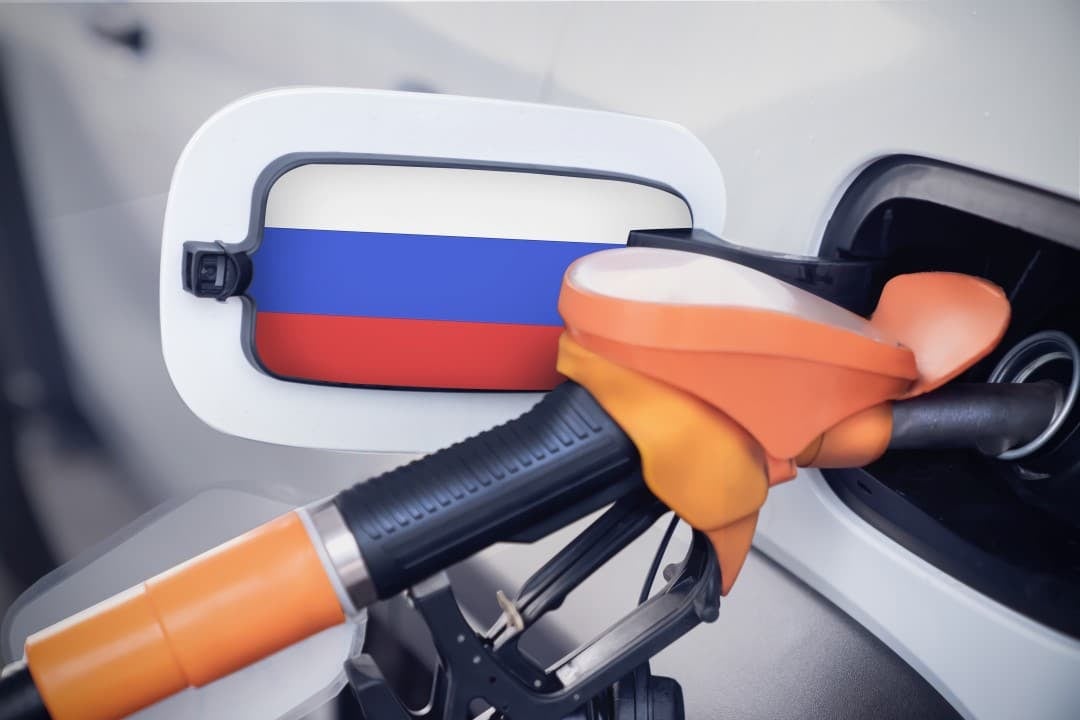
The economic scenario in Rússia began 2026 with significant challenges for vehicle owners and the road logistics sector. Dados Recent market monitoring indicates that the price of gasoline at gas stations registered an average increase of 1.4% in the first months of the year. Esse movimento de alta nas bombas reflete uma pressão inflacionária acumulada que atinge diretamente o planejamento financeiro das famílias e encarece a cadeia de distribuição de mercadorias em todo o território nacional.
The variation in the amounts charged to the end consumer does not occur uniformly. Fatores how the distance from refining centers and the specific logistical difficulties of each region play a crucial role in forming the final price. The transport infrastructure, often overloaded, ends up passing on additional costs that are absorbed by drivers when refueling, creating an unequal price map across the country.
Experts point out that the increase in fuel prices has an immediate ripple effect on the real economy. Como the vast majority of consumer goods, from food to construction materials, depend on road transport to reach the shelves, the increase in diesel and gasoline tends to put pressure on consumer price indices in the coming months, requiring caution in domestic spending.
Regional disparities and impact on large capitals
Detailed analysis of geographic data reveals that the most remote areas are those most penalized by adjustments. The region of Magadan, located in the far east and known for its geographic isolation and severe climate, recorded the largest percentage impact, with a 3% increase in prices. Essa difference highlights the complexity of maintaining regular supply in areas where logistics face natural barriers and high operational costs.
In large urban centers, where demand is concentrated and the distribution network is denser, the increases were also noticeable, although slightly lower than in remote areas. Em Moscou, the financial and political heart of the country, drivers saw prices rise by 2%. Já in São Petersburgo, another vital hub for the Russian economy, the adjustment was 1.7%. Esses indices, although they appear fractional, represent a considerable additional cost for commercial fleets and public transport.
For logistics managers operating in these capitals, the room for maneuver is narrow. The increase in fixed transport costs forces companies to review contracts and, inevitably, pass on part of this cost to the final value of services and products. The situation in Magadan serves as a warning about how logistical inefficiency can amplify the effects of inflation, creating islands with a high cost of living within the same national territory.
The paradox between production and the bomb
One of the most intriguing aspects of the current Russian energy scenario is the disconnect between the prices charged at the refinery gates and the amount charged at gas stations. Enquanto the consumer pays more, the wholesale market is experiencing the opposite moment. Relatórios of the sector indicate that fuel production prices suffered an abrupt drop of 18.3% in the same period, generating a discrepancy that draws the attention of market analysts.
This disparity raises questions about supply chain efficiency and the appropriation of profit margins throughout the distribution process. Teoricamente, such a significant drop in the cost of refined raw materials should alleviate the final price, but intermediate bottlenecks seem to be absorbing this difference. Entre the factors that explain this phenomenon stand out:
– Rigidity in long-term supply contracts;
– The need for distributors to restore margins after periods of stagnation;
– Increased non-oil operational costs, such as maintenance and personnel;
– Taxation and service fees that apply to retail operations.
The inability of the retail market to reflect falling wholesale prices suggests that deep structural inefficiencies exist. The distribution system acts as a barrier, preventing the benefits of cheaper production from reaching ordinary people. Esse asymmetric behavior — where prices rise quickly when oil prices rise, but fall slowly when production becomes cheaper — is a constant source of frustration for consumers.
Logistics and infrastructure costs
Another vital component to understanding the rise in prices is the cost of transporting the fuel from refineries to distribution centers. Transport via pipelines, which constitutes the backbone of energy movement in Rússia, has become more expensive. In January, fees for using this infrastructure rose 3.2%, adding another layer of cost before the fuel even reaches the tankers.
This increase in pipeline tariffs directly affects the competitiveness of the sector. Energy companies, when faced with higher logistics costs, tend to preserve their operating margins by transferring the expense to the next link in the chain. With the transport infrastructure under pressure, logistical efficiency becomes the key to price stability.
In addition to pipelines, complementary road transport also faces its own challenges, with fleet maintenance and parts shortages influencing freight. The sum of these factors creates an environment where, even with raw materials at a low wholesale price, the cost of getting the product to the end customer continues to rise.
Government monitoring and control measures
Faced with this situation of instability and inflationary pressure, the Russian authorities keep the sector under constant surveillance. The government recognizes that fuel prices are a sensitive item, capable of influencing social mood and general economic stability. Medidas of containment and monitoring are being evaluated to prevent the price escalation from getting out of control and compromising the inflation target for 2026.
There is the possibility of specific interventions, such as reviewing subsidies or adjusting the tax burden, to cushion the impact on drivers. The objective is to prevent the increase in transport from contaminating other sectors of the economy, generating an inflationary spiral that is difficult to reverse. Coordination between Ministério of Energia and regulatory agencies will be essential to balance the interests of large oil companies with the need to protect the population’s purchasing power.
Although prices in Rússia are still competitive compared to international markets such as Brasil or Europa, the internal dynamics of adjustments are worrying. The stability of the energy market in the coming months will depend not only on the price of oil, but mainly on the ability of the government and companies to resolve the logistical bottlenecks and distortions between wholesale and retail that mark the beginning of this year.



