

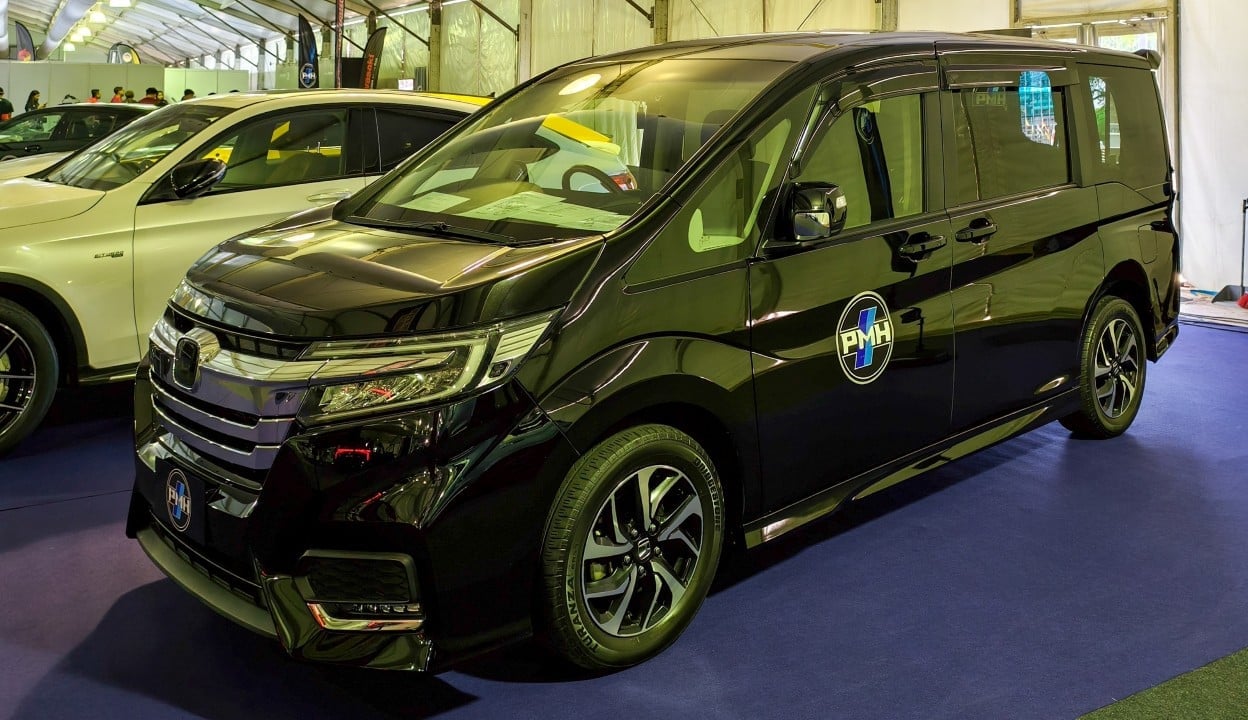
The Honda reinforces its presence in the family vehicle segment with the introduction of the Air EX variant for the Step WGN line. The model seeks to balance the nostalgia of classic features with the modern demand for energy efficiency and internal modularity, serving consumers who prioritize well-being on board. Esta strategic update aims to bridge the gap between the basic versions and the more sophisticated models in the range, offering standard equipment that elevates the daily use experience.
The launch represents a significant evolution for the sixth generation of the vehicle, which consolidated its position in the Asian market. The new configuration incorporates comfort elements previously restricted to top versions, such as an electrically operated trunk and heated front seats. The proposal is to offer an environment that simulates the extension of the living room, focusing on high quality materials and practical solutions for the transport of passengers and cargo.
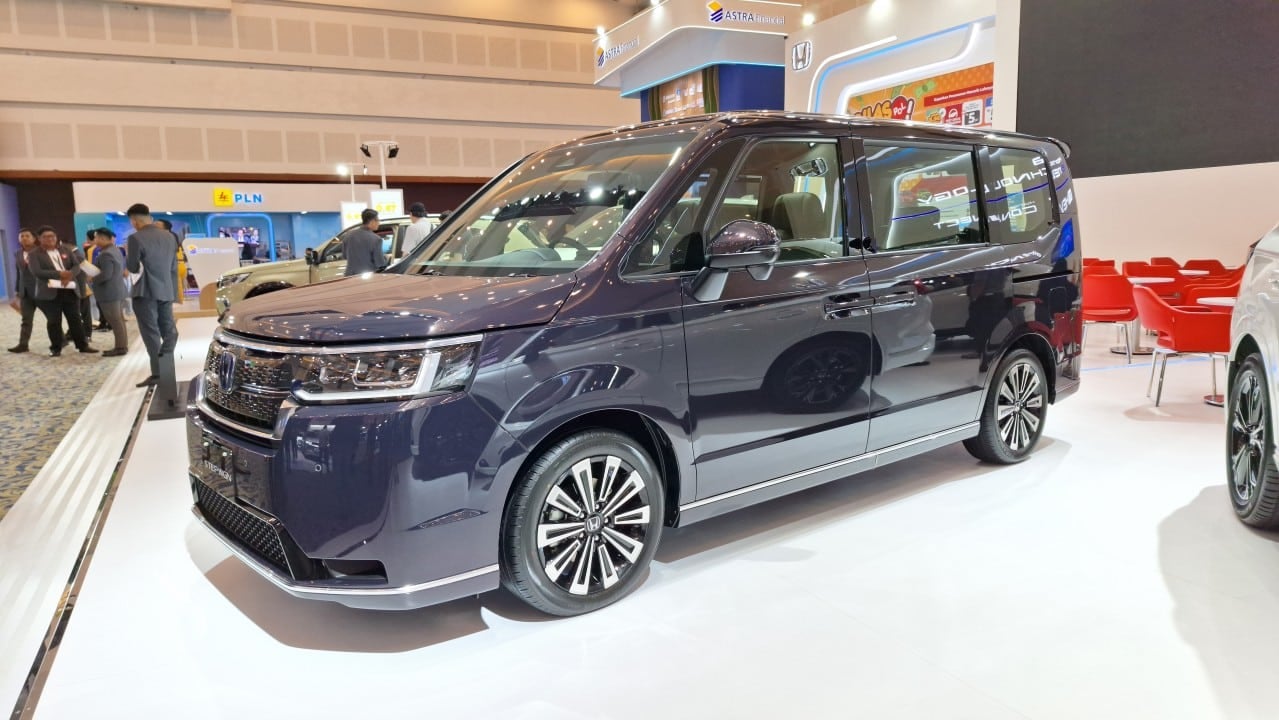
The Japanese brand’s engineering focused efforts on keeping the visual identity clean and functional, avoiding the excessive aggressiveness common in direct competitors. The exterior aesthetic adopts straight lines and flat surfaces, an approach that maximizes interior space and improves driver visibility. The design concept emphasizes simplicity and durability, characteristics valued by families looking for a robust vehicle for long periods of use.
Internal versatility and system Magic Seat
One of the model’s most relevant technical differences lies in the intelligent seating configuration, designed to adapt to different transport needs. The third row of seats uses the Magic Seat system, which allows the seats to be retracted into the trunk floor, creating a completely flat surface for bulky loads. Esta functionality eliminates the need to physically remove the seats, facilitating the transition between passenger transport and utility use.
The second row of seats received special attention with the implementation of a long sliding mechanism. Este feature allows the legroom to be adjusted widely, allowing occupants to configure the space according to their convenience, whether to facilitate access for children or to maximize comfort for adults on long journeys. The seat covering uses the material Fabtech, a technology developed to repel liquids and facilitate cleaning, ideal for intense family use.
Access to the interior has been optimized through sliding side doors and a low platform, features that reduce physical effort when boarding and disembarking. The cabin’s architecture was designed to ensure light and a feeling of spaciousness, with large windows that reduce the feeling of confinement. The arrangement of the elements on the panel follows a minimalist logic, prioritizing ergonomics and ease of operation of the onboard systems.
Efficiency of the e:HEV hybrid array
The minivan’s engine stands out for its adoption of the e:HEV hybrid system, which prioritizes electric traction in most urban driving situations. The combustion engine acts mainly as a power generator, coming into direct action on the wheels only at cruising speeds on highways, where its efficiency is greater. Este energy management results in a smooth, quiet drive with immediate torque response, resembling the experience of a pure electric vehicle.
For consumers who prefer traditional mechanics, the model also offers an option with a 1.5 turbo gasoline engine. Esta version was calibrated to deliver torque at low speeds, ensuring agility in urban traffic even with the vehicle loaded. The transmission works linearly to avoid jerks, contributing to passenger comfort and reducing physical wear and tear on the driver in traffic jams.
The vehicle’s stability is ensured by a highly rigid platform and a suspension system adjusted to absorb irregularities in the asphalt without transmitting excessive vibrations to the cabin. The availability of all-wheel drive in some configurations increases safety in adverse weather conditions, offering greater grip on slippery surfaces or terrain with low traction.
Safety and assistance technology
The Honda SENSING package integrates the set of standard equipment, offering a high level of active and passive protection. The system uses a combination of cameras and radars to monitor the vehicle’s surroundings in 360 degrees, identifying potential collision risks. Entre features include autonomous emergency braking, adaptive cruise control and lane keeping assistant.
The onboard technology assists the driver not only in situations of imminent danger, but also in everyday maneuvers. The multi-view camera system and parking sensors make it easier to operate the vehicle in confined spaces, reducing the risk of minor accidents in garages and commercial parking lots. Visibility enhanced by the slim columns complements the electronic assistants, providing greater confidence behind the wheel.
The body structure was designed to dissipate energy in the event of an impact, protecting the integrity of the survival cell. The combination of advanced safety with the practicality of the sliding doors and the modular internal space positions the model as a rational option for family transport, focusing on occupant protection as an absolute priority.



