

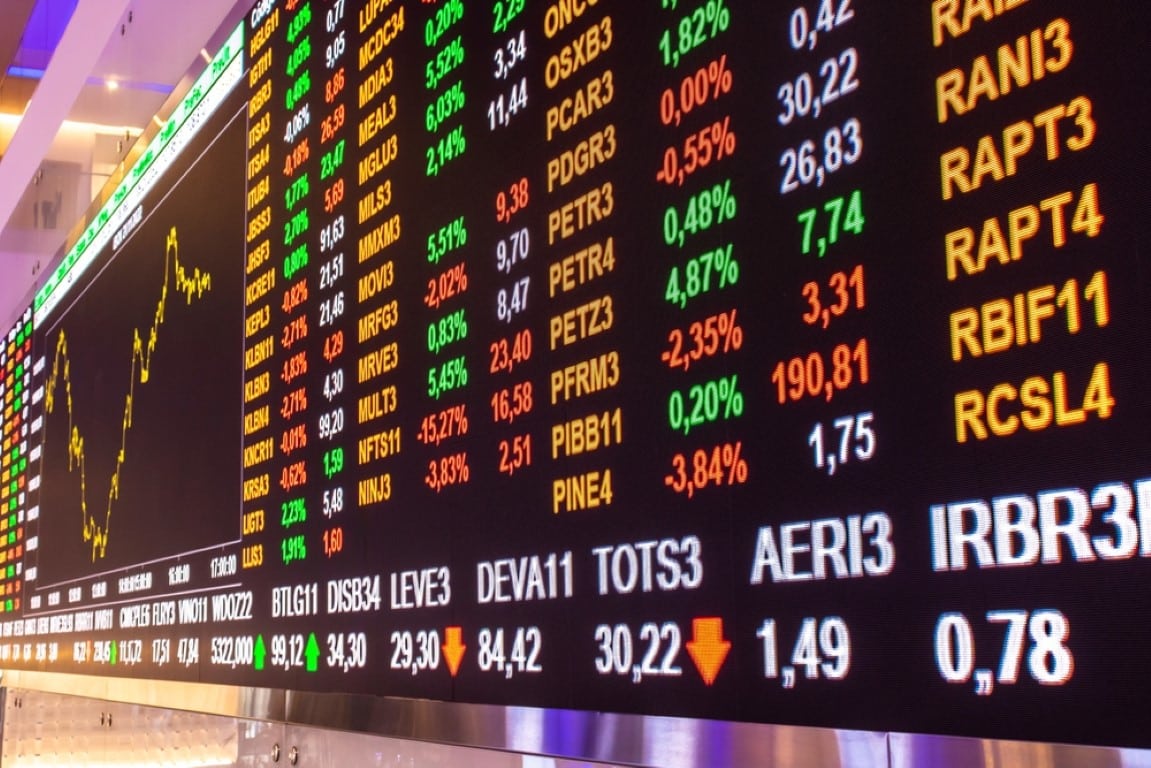
The Ibovespa registered a sharp drop this Tuesday (3), influenced by the worsening of tensions in the Oriente Médio after attacks by the Estados Unidos and Israel on the Irã, followed by Iranian retaliations that included the closure of the Estreito from The main B3 index opened close to 189 thousand points and lost more than 8 thousand points during the session, with a decline of more than 4% for much of the day. The commercial dollar soared, surpassing R$5.30 at peaks, while oil Brent advanced more than 7%, reflecting the global geopolitical risk. No Brasil, the trading session was marked by widespread sales in sectors such as banks, retail and steel, with few shares on the rise, concentrated in oil companies.
The conflict in Oriente Médio dominated international markets, with Asian and European stock exchanges closing lower and Wall Street futures recording significant losses. The disruption of key trade routes has raised concerns about energy supplies, putting pressure on risky assets around the world.
Geopolitical tensions drive volatility
The Ibovespa renewed lows throughout the session, reaching levels below 181 thousand points in moments of greater pressure. Global risk aversion intensified with the Iranian announcement of a blockade on Estreito of Ormuz, a crucial route for oil transport. Mercados reacted by searching for safe assets, which increased losses in stock indices.
Global stock markets followed the same downward movement. The Stoxx 600 fell around 3%, while the DAX recorded a decline of more than 3%. Nos Estados Unidos, Dow Jones, S&P 500 and Nasdaq dropped between 1.7% and 2%. The VIX volatility index accelerated, signaling greater investor uncertainty.
Oil sector resists losses
Shares of companies linked to oil performed differently amid the chaos. Petrobras ON and PN maintained variations close to stability or slight increases in parts of the day, benefiting from the barrel surge. Brava Energia and Prio were also among the few positive stocks, with moderate gains.
Other companies in the sector, such as Petrorecôncavo, registered limited fluctuations. The rise in WTI and Brent oil, which surpassed recent levels, supported these assets despite the general pressure on the index.
Banks and retail lead the falls
Sectors sensitive to interest and consumption suffered the biggest devaluations. Bancos as Bradesco, Banco as Brasil, Santander and Itaú fell between 5% and 6%, reflecting rising future interest rates and a stronger dollar. Varejistas, including C&A and Magazine Luiza, fell more than 6%, with some stocks overcoming 7% declines.
Steel mills and meatpacking plants also recorded significant losses. Vale lost more than 5%, impacted by the external scenario. Trading volume remained high, indicating intensity in sales operations.
Local economic data on the radar
The IBGE announced that Brazilian GDP increased 0.1% in the fourth quarter of 2025, in line with expectations, and accumulated an increase of 2.3% in the full year. The result showed a slowdown in relation to the previous period, influenced by restrictive monetary policy.
Caged recorded the creation of 112,334 formal vacancies in January, a number above market projections. Esses indicators reinforced debates about the direction of the Selic rate, but were overshadowed by international news.
Dollar and future interest rates rise sharply
The commercial dollar started the day on a high and reached peaks above R$5.33 during the session, with a variation of more than 3%. The movement accompanied the global strengthening of the American currency amid geopolitical risk.
DI contract rates rose across the entire curve, with increases of up to 20 points at the long end. The adjustment reflected fears of inflation imported by the rise in energy commodities.
Market reacts to prolonged risk
The possibility of extending the conflict increased the risk premium in emerging assets. The Ibovespa has accumulated significant losses since opening, with attempts at partial recovery at times, but without reversing the predominant negative signal.
Investors monitored international statements on the issue, including calls for a suspension of hostilities. Oil maintained an upward trend, with potential impacts on global energy costs.



