

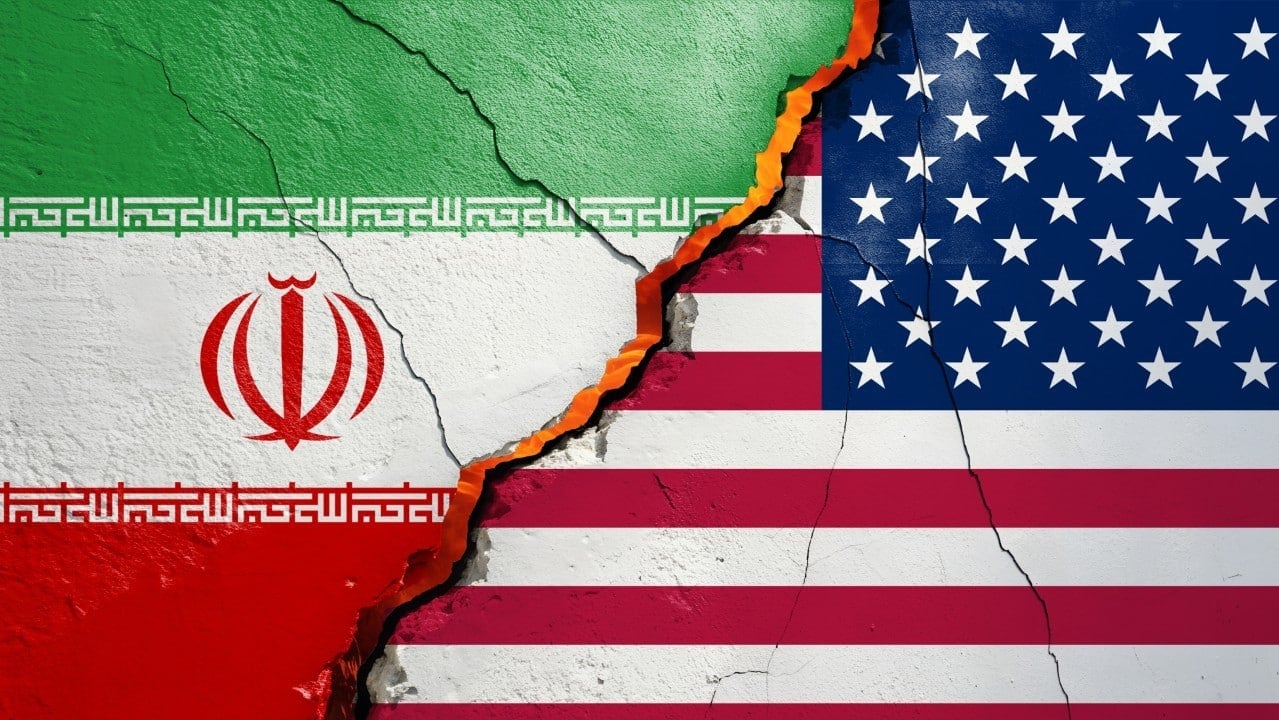
República Islâmica of Irã faces one of the most critical episodes of its recent trajectory after being the target of a military offensive coordinated by North American and Israeli forces. Autoridades locals confirmed that the bombings, which are now in their third day of intense activity, resulted in the death of Ayatollah Ali Khamenei, a central figure in the Iranian theocracy. The preliminary assessment shows that the number of fatalities in Iranian territory exceeded the mark of 555 people, increasing tension between neighboring nations that host Estados Unidos military bases.
The unstable scenario directly impacts global supply chains, as the country ranks as the third largest oil producer in the world and controls essential routes for energy flow. With an estimated population of 93 million inhabitants, the Persian nation has a strategic geographic location that connects different poles of influence in the Oriente Médio. The complexity of the situation is magnified by the country’s unique cultural background, which preserves the Persian language and an identity distinct from the region’s Arab majority.

Historical transition and consolidation of the theocratic regime
The power structure currently challenged by external attacks is the result of profound transformations that occurred throughout the 20th century. Até In the year 1935, the nation was officially called Pérsia, a nomenclature that evoked its imperial past and influence on classical antiquity. The change to the name Irã was instituted by decree of the Xá Reza Pahlavi, in an effort to modernize and reaffirm national identity after centuries of dynasties and foreign interventions, including the presence of the Reino Unido and the União Soviética.
The governance model suffered a radical rupture in 1979, when a popular revolution led by Islamic clerics overthrew the Pahlavi monarchy. Desde then, Estado consolidated itself as a Shiite theocracy, where religious interpretation underpins the legal and political system. Essa configuration ensures that the country’s top leadership remains under the tutelage of religious figures, establishing a marked contrast with Western democracies and other Golfo Pérsico monarchies.
Power vacuum and the organization of Estado
The confirmation of the death of the supreme leader represents a turning point for the continuity of the regime, since the position concentrates maximum authority over all spheres of public administration. Embora the country holds presidential elections and has a legislative body, strategic decisions, including control of the Forças Armadas and the Poder Judiciário, were centralized in the figure of the ayatollah. The absence of a defined command generates uncertainty about the immediate response capacity and stability of institutions in the face of the ongoing conflict.
The Iranian political system operates under a rigid hierarchy where Islamic doctrine Jafari prevails over civil decisions. The Guarda Revolucionária, an elite unit responsible for protecting the Islamic system, plays a crucial role in maintaining internal order and external military operations. Abaixo, the main pillars that support the country’s state organization:
- Leader Supremo:Autoridade maximum with veto power over legislation and total command of defense forces.
- Advice from Guardiães:Órgão made up of jurists and clergy who validate applications and monitor the constitutionality of laws.
- President of República:Chefe of Executivo responsible for economic and administrative management, subordinate to the supreme leader.
- Assembly Consultiva Islâmica:The national parliament, charged with drafting laws within theocratic limits.
- Guard Revolucionária:Força parallel military dedicated to preserving the principles of the 1979 Revolução.
Reflections on the global energy market and economy
The Iranian economy, heavily dependent on hydrocarbon exports, suffers the immediate effects of the war, with real threats to global supplies. The temporary closure of maritime routes in the Golfo Pérsico caused fluctuations in financial markets and increased international freight costs. Analistas monitor the situation, fearing that the prolonged interruption in exports from the third largest global producer will force a sustained increase in the price of a barrel of oil.
Internally, the population faces the sharp devaluation of the Iranian rial and a shortage of basic services. Em Teerã, financial and political center, the climate is on high alert, with communication infrastructures compromised and hospitals operating at their limit to treat the injured. Aeroporto of Dubai, one of the main hubs in the region, recorded massive cancellations of flights that would cross Iranian airspace, highlighting the logistical isolation caused by the fighting.
Nuclear motivations and diplomatic impasse
The military offensive by Washington and Relatórios intelligence reports recently indicated an acceleration in uranium enrichment in underground facilities, which precipitated direct action to neutralize the country’s defense technological capabilities. The partial destruction of these infrastructures was one of the central objectives of the surgical strikes carried out over the weekend.
Ministério of Relações Exteriores of Irã classified the operation as a violation of national sovereignty and promised to use all means to guarantee the security of the territory. Enquanto allies such as Rússia and China call for moderation, the lack of open dialogue channels between the governments involved worsens the unpredictability of the conflict. The Iranian government declared national mourning and began the constitutional procedures for the succession of command, awaiting the announcement of the new leadership council in the coming days.



