
Journalist Maria Shriver expands global coverage in mental health and redefines Kennedy family legacy By Luís Henrique Costa
5 min read
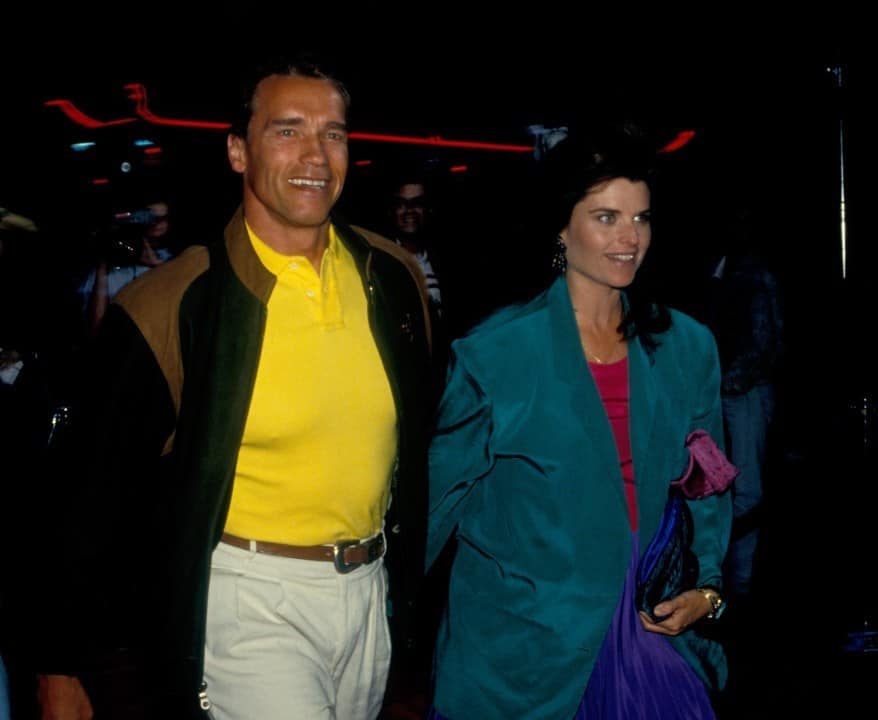 |
Maria Shriver, prominent figure of the Kennedy dynasty and award-winning journalist, has cemented her position as one of the most influential voices advocating for women’s brain health and contemporary social activism. Afastandostepping from the shadows of famous surnames and traditional political roles, she has built a robust platform that combines investigative journalism, philanthropy and public dialogue on critical issues. The recent trajectory of Shriver demonstrates a significant evolution of its public image, now focused on leading movements that seek solutions for neurodegenerative diseases and the empowerment of women in different spheres of society.
The journalist’s work transcends mere media visibility, being rooted in decades of experience on American television and in public service. Como founder of Women’s Alzheimer’s Sua’s ability to mobilize resources and influence public policies reflects a strategic maturity that goes far beyond her former position as first lady of Califórnia or national news anchor.
In redefining her personal narrative, Shriver uses her experience at NBC News to create content that promotes resilience and human connection. Seu current work fills an important gap in the digital media landscape, offering journalism that not only informs, but also inspires community action and individual reflection. Essa’s holistic approach allowed her to construct an autonomous identity, untethered from the expectations associated with her previous marriage to Arnold Schwarzenegger or her political lineage, establishing herself as an independent thought leader.
The impact of their initiatives is measurable not only by the volume of donations raised for medical research, but also by the change in public discourse about aging and mental health. Shriver conseguiu transformar temas frequentemente negligenciados ou estigmatizados em pautas prioritárias, utilizando sua influência para garantir que as gerações futuras tenham acesso a diagnósticos mais precisos e tratamentos eficazes. Sua journey reflects an ongoing commitment to public service, adapted to the needs and tools of the 21st century.
Trajectory marked by editorial and political independence
Maria Shriver’s career was built on foundations of journalistic credibility that precede and follow his political roles. During her time at NBC, she stood out for covering events of global magnitude, maintaining an ethical stance that earned her respect among her peers and the public. Califórnia’s transition to the role of first lady, although it required a temporary departure from the benches, did not diminish her work momentum. Pelo On the contrary, she redefined the role, transforming it into an executive platform for implementing social programs and conferences aimed at women.
Even inserted in a political context dominated by large male figures, Shriver maintained her intellectual autonomy. The creation of statewide initiatives focused on volunteering and education has demonstrated its ability to navigate government bureaucracy to deliver tangible results. Essa phase of her life served as a laboratory for the major national campaigns that she would lead years later, proving that her vocation for public service was intrinsic and not circumstantial.
The separation from Arnold Schwarzenegger in 2011 marked a decisive turning point, pushing her to resume and expand her career in communications. Instead of withdrawing from public life, Shriver used personal adversity as fuel to explore themes of overcoming and reinvention. Returning to journalism and expanding into literature and documentary production allowed her to control her own narrative, establishing a direct and honest dialogue with her audience about the challenges of modern life.
Innovation in communication and focus on brain health
In recent years, Shriver’s communications strategy has evolved to fully embrace digital platforms, allowing for a broader and more immediate reach. Através newsletters and podcasts, she disseminates crucial information about mental well-being, creating an engaged community that seeks purpose and balance. Essa migration to digital was not just a technological adaptation, but a deliberate choice to democratize access to high-level conversations about health and society.
One of the central pillars of his current work is the fight against Alzheimer, a deeply personal cause due to the diagnosis of his father, Sargent Shriver. The journalist turned family pain into a global crusade, founding movements that fund cutting-edge research. Ela was a pioneer in highlighting that the disease disproportionately affects women, both as patients and caregivers, forcing the medical community to reconsider its study and treatment protocols.
- Impactful literary publications:Shriver is the author of several best-sellers that address topics such as identity, faith and the search for meaning in turbulent times, serving as practical guides for personal development.
- Documentary production:Sua production company has focused on works that expose social injustices and public health crises, such as the series of films that investigate the impact of Alzheimer on American families.
- “The Sunday Paper” digital platform:A weekly publication that has become a reference in “journalism of hope”, curating news and essays that promote empathy and mutual understanding above polarization.
The Kennedy legacy and the new generation
Maria Shriver’s influence now extends to the next generation, with her four children — Katherine, Christina, Patrick, and Christopher — following paths that reflect their mother’s values of service and creativity. The way she balanced motherhood with a demanding career and public scrutiny serves as a model for work-life integration. Seus children have distinguished themselves in areas such as cinema, literature and activism, perpetuating the family’s legacy of social impact in a modern and individualized way.
Katherine Schwarzenegger, for example, has established herself as an author, focusing on self-help themes and inspirational interviews, a clear extension of Maria’s communications work. Patrick Schwarzenegger has built a solid career at Hollywood, but also engages in philanthropic endeavors. Essa continuity demonstrates Shriver’s effectiveness not only as a public leader, but as a matriarch who instilled the importance of social responsibility in her descendants.
When observing the current scenario, it is evident that Maria Shriver has not only preserved the relevance of the name Kennedy, but has adapted it for the 21st century. Ela replaced traditional party politics with activism focused on scientific results and human well-being. Sua ability to unite different sectors — media, science, politics and entertainment — around common causes positions it as an essential articulator for the social challenges that lie ahead in 2026 and beyond.











