
Maria Shriver strengthens her role in social causes and redefines protagonism away from famous surnames By Carolina Costa
6 min read
 |
Maria Shriver’s trajectory has established itself as a unique example of personal reinvention and public impact on the North American scene, transcending the expectations historically associated with great political dynasties. Filha of Eunice Kennedy and niece of former president John F. X__NM5____
Over the past few years, Shriver has directed her influence toward filling critical gaps in medical research and social dialogue, using her platform to give voice to often marginalized issues. The transition from a media figure to an active philanthropic leadership demonstrates a strategic evolution, where family heritage serves as a basis for service, but not as a limit to its performance. Ela managed to balance the investigative curiosity of the press with the capacity for political mobilization, creating a niche of influence that operates independently of the partisan fluctuations of Washington or the tendencies of Hollywood.
This image consolidation occurs at a time when society is looking for public figures who offer more than just celebrity, demanding purpose and tangible results. Shriver’s ability to navigate between different spheres of power—from state politics in Califórnia to television studios in Nova York—has allowed her to weave a robust support network for her current initiatives. The renewed focus on issues of longevity and mental health reflects a deep understanding of modern demographic needs, positioning it at the forefront of discussions essential to the future of global health.
Her personal narrative, marked by public transitions and private challenges, resonates with a broad audience who see her as a figure of resilience. By rejecting static labels and embracing multiple professional facets, Maria Shriver redefines what it means to belong to a historic family in the 21st century, proving that the most lasting legacy is one built through direct impact on people’s lives, beyond the headlines and hereditary expectations.
Maternal influence and roots in public service
The formation of Maria’s character and worldview was intrinsically shaped by the figure of his mother, Eunice Kennedy Shriver, whose visionary actions left profound marks on global society. Eunice was the driving force behind the founding of Olimpíadas Especiais in 1968, a revolutionary movement that permanently altered public perception and inclusion of people with intellectual disabilities. Esse domestic environment, where public service was seen not as an option, but as an imperative civic duty, decisively influenced Maria’s professional choices since his youth.
The legacy of defending the marginalized and the search for social equity were absorbed and reinterpreted by Shriver in his own career. Enquanto her mother focused on inclusion through sport and politics, Maria found in journalism and, later, in literature and health activism, the vehicles to perpetuate this family mission.
The continuity of this commitment demonstrates how the values transmitted by Eunice transcend generations, adapting to new social challenges. Maria’s approach maintains the essence of the Kennedy clan — the responsibility to improve the community — but applies it in a modern guise, focused on data, science and mass communication.
Dynamics between politics and entertainment in Califórnia
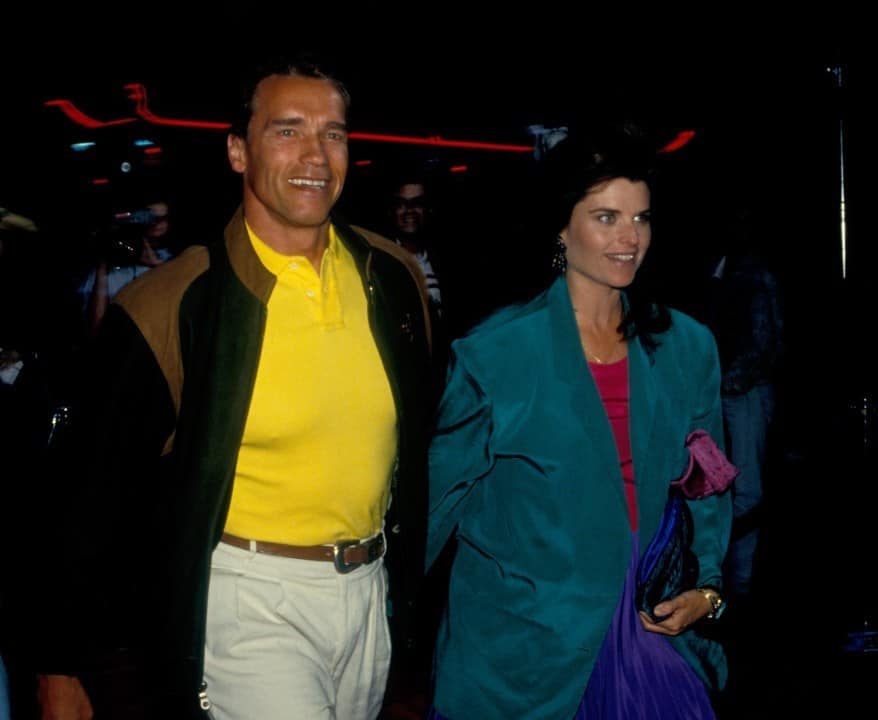
The union of Maria Shriver with the actor and bodybuilder Arnold Schwarzenegger, made official in 1986, represented for decades the fusion of two distinct universes: the traditional political elite of Costa Leste and the glamor of the film industry. Durante 25 years of marriage, the couple symbolized one of the most media-driven alliances in the world, combining the historical gravity of Kennedy with the popular charisma of a global action star. Essa dynamics reached their peak when Schwarzenegger was elected governor of Califórnia in 2003, placing Maria in the role of Primeira-Lady of the most populous state in the US.
However, his role in the state government distanced himself from passive ceremonialism. Shriver used the visibility of the position to defend environmental causes, promote volunteering and implement economic empowerment programs for women. Ela maintained an active identity, refusing to be just a figurehead at official events, and worked behind the scenes to push agendas he considered urgent, often crossing party lines to achieve common goals.
The end of the marriage in 2011 marked a crucial turning point in his biography. The event, widely covered by the media, forced a complete reevaluation of his personal and public trajectory. Esse moment of rupture served as a catalyst for her to definitively free herself from the labels of “wife of” or “niece of”, allowing her to claim her own narrative and rebuild her career on her own terms and merits.
Journalism, literary production and new media
Before and after his time in politics, Shriver built a solid and respected career in television journalism, with notable stints at NBC News. Sua’s ability to connect human stories with major political events guaranteed him credibility and important awards in the industry, such as the Peabody and the Emmy. Além from television, she expanded her influence through writing and producing content focused on personal transformation and social dialogue.
His professional work covers several fronts that reinforce his commitment to communication and collective well-being:
- Author of Best-sellers:Publicação of highly successful books, such as “I’ve Been Thinking…”, which address themes of spirituality, overcoming and the search for purpose amid everyday chaos.
- Production of Documentários:Desenvolvimento of audiovisual projects that touch on complex social wounds, such as child poverty in the Estados Unidos and the mental health crisis.
- Digitais Platforms:Criação of newsletters and online spaces, like “The Sunday Paper”, dedicated to inspiring constructive dialogue and offering emotional support to a global community.
Global leadership in Alzheimer research
One of the central pillars of Maria Shriver’s current activities is the “Women’s Alzheimer’s Movement” (Movement of Mulheres against Alzheimer). Motivada Through the devastating personal experience of observing the impact of the disease on her father, Sargent Shriver, she founded the organization with the goal of funding research that specifically focuses on how Alzheimer affects women. Dados indicate that women make up the majority of both diagnosed patients and family caregivers, a disparity that, according to Shriver, has historically been ignored by medical science.
The initiative is not just restricted to fundraising, but heavily engages in brain health education and prevention. Shriver has become one of the most active voices worldwide in defending patients and destigmatizing the disease. Ela promotes partnerships with cutting-edge research institutes and pushes for public policies that guarantee adequate support for affected families, transforming personal pain into a crusade for scientific answers.
Legacy for the next generation
The couple’s four children, Katherine, Christina, Patrick and Christopher, follow paths that reflect the diversity of influences of their parents. Criados in the spotlight, they seek to balance the weight of their family legacy with their own professional and personal aspirations. Katherine, for example, established herself as an author and married actor Chris Pratt, while Patrick invests in a career as an actor and entrepreneur, navigating
Maria Shriver’s trajectory demonstrates a continuous capacity for reinvention. By combining the public service history of the Kennedy, the discipline learned in political life and her own journalistic competence, she consolidated a multifaceted identity. Hoje, it serves as a reference in discussions about aging, health and female empowerment, proving that it is possible to build your own impactful legacy, regardless of the shadow of the family trees from which it originated.











