
New Square Enix strategy brings Final Fantasy VII conclusion to Xbox and PC at launch

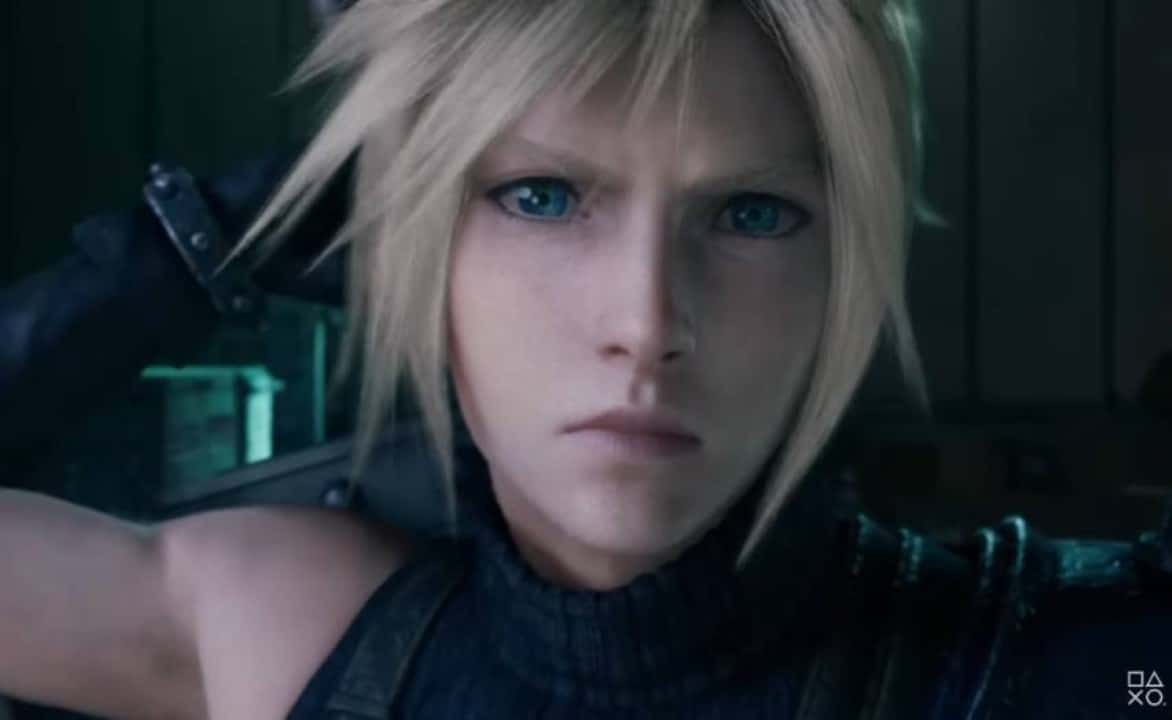
Square Enix has officially made a significant change in its commercial approach for the long-awaited conclusion of the trilogy that recreates the 1997 classic. The third and final chapter of the Cloud Strife saga will be released simultaneously for Xbox Series X|S, PC and PlayStation 5, breaking with the temporary exclusivity model that defined the distribution of the first two titles in the series. The decision aligns directly with the publisher’s new corporate restructuring plan, called “Square Enix Reboot”, which aims to maximize the profitability and global reach of its main franchises from the first day of sales.
This strategic change responds to an urgent need for revenue diversification, after financial reports indicated that exclusivity on a single platform limited the commercial potential of previous launches, such as Final Fantasy VII Rebirth and Final Fantasy XVI. The Japanese company’s management concluded that, in the current scenario of the gaming industry, restricting large productions to a single hardware ecosystem prevents the financial return necessary to cover the growing costs of developing AAA titles.

Series producer Yoshinori Kitase and the development team have confirmed that production on the third game is progressing quickly, benefiting from the technological foundation established in Rebirth. By unifying the development pipeline for multiple platforms, the studio aims to avoid the long gap seen between previous chapters, ensuring that players on all platforms have access to the story’s conclusion without waiting months or years.
The inclusion of the Xbox ecosystem at launch represents a significant victory for the Microsoft gaming division, which has been seeking to strengthen its relationships with Japanese publishers for years. The availability of the title on the American console, together with the computer version, considerably expands the installed base of users able to purchase the game at the time of greatest hype, which is the launch window.
Technological unification and PC optimization
The creative team responsible for the project highlighted that the transition to a simultaneous multiplatform launch required adjustments to the technical workflow. The use of cutting-edge technologies, such as updated versions of Unreal Engine, will allow the game to exploit the maximum potential of each system’s hardware. Para the PC version, image upscaling features like DLSS and FSR are being integrated early in the process, ensuring the title runs smoothly on a variety of hardware configurations.
Visual and performance parity between the PlayStation 5 and the Xbox Series X is a stated priority by the engineers at Square Enix. The goal is to deliver an identical experience in terms of graphical fidelity and loading times, taking advantage of the fast SSD architecture present in both new generation consoles. Essa approach eliminates the technical discrepancies that often generate debates among gaming communities.
The return of Highwind and freedom of exploration
Narratively, the third game promises to expand the scale of the adventure, introducing the iconic Highwind aircraft. The inclusion of the vehicle will allow a level of freedom of exploration unprecedented in the remake trilogy, allowing players to travel across the world map aerially and access previously unreachable locations. Essa mechanics are considered fundamental to conveying the sense of global scale of the final conflict against Sephiroth.
Creative director Naoki Hamaguchi highlighted that the structure of the world will be adapted to support this new form of traversal, connecting the regions presented in previous games in a cohesive way. The promise is that the game world will open up completely, offering secondary missions and secrets that encourage returning to visited areas, now from an aerial perspective.
In addition to exploration, the combat system must receive refinements that further integrate group members, including characters that were previously not playable or had limited participation. The intention is to close the development arc of each hero not only in the story, but also in their gameplay mechanics, providing the culmination of the series’ hybrid battle system.
Repercussion on the market and future of the franchise
Video game industry analysts point out that this move by Square Enix could signal the end of the era of major third-party exclusives for the Final Fantasy franchise. The need to justify budgets that exceed hundreds of millions of dollars makes the multiplatform model the only sustainable way to maintain the technical and artistic quality that fans demand.
For consumers, the news eliminates the need to own multiple consoles to follow the complete saga. The unification of release dates also favors the formation of a more cohesive global community, where discussions about the plot and the discovery of secrets occur simultaneously, without the fragmentation caused by exclusivity windows.



