Scientists point to octopuses as humanity’s successors in command of intelligent life on Earth
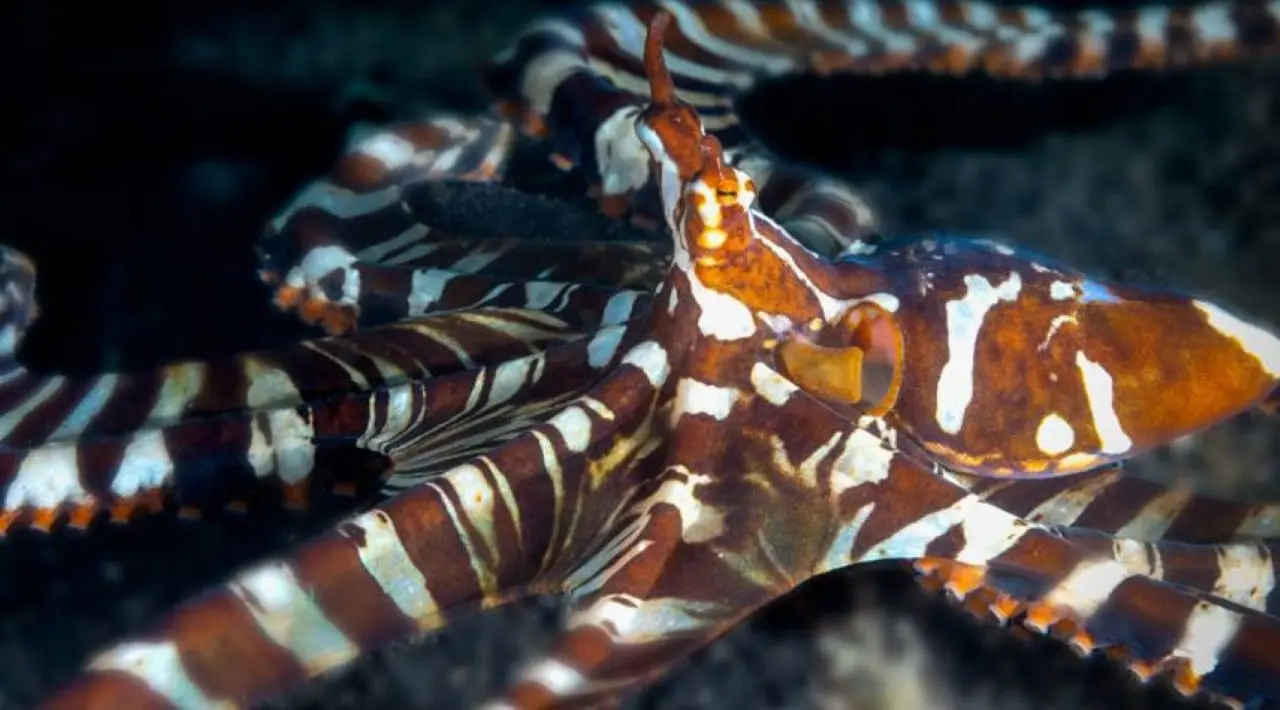
If humanity were to suddenly disappear, the face of Terra would undergo drastic transformations in a short geological period. Sem the presence of cities, satellites or the constant maintenance of modern infrastructure, nature would retake spaces previously occupied by concrete and steel. Nesse scenario of biological power vacuum, renowned researchers begin to draw hypotheses about which creature would assume the role of dominant species on the planet.
The discussion gained new contours with the analyzes of professor Tim Coulson, a biologist from Universidade of Segundo his detailed observations in the book “The História Universal of Nós”, published by Penguin, the answer to the ideal successor lies not in the jungles or the sky, but in the depths of the oceans. The expert argues that the octopus has the necessary prerequisites to evolve and fill the gap left by human extinction.
Evolutionary limitations of primates and birds in the post-extinction scenario
Many people believe that chimpanzees or bonobos would be the natural heirs to the throne of civilization because they share DNA and opposable thumbs with us. However, Professor Coulson argues that these species would face severe difficulties adapting to a world of rapid ecological change. Reliance on rigid social networks and geographically restricted populations makes great apes vulnerable to systemic collapses without human mediation.
Birds, such as crows and parrots, also demonstrate remarkable intelligence and the ability to solve complex problems through observation. Apesar this cognitive brilliance, they lack the fine motor skills to build advanced tools or complex infrastructures. Insetos, on the other hand, build organized societies, but their behavior is governed strictly by genetic instincts, which limits the individual innovation necessary for global dominance.
Neurological superiority and adaptability of marine cephalopods
Octopuses stand out in the animal kingdom due to a decentralized neurological structure and unique sensory capabilities in the aquatic environment. Eles have three hearts and a nervous system where most of the neurons are located in the tentacles, allowing unprecedented manipulation of objects. Essa motor autonomy facilitates interaction with the physical environment, suggesting a latent potential for the development of rudimentary technologies in the future.
Precise camouflage abilities and communication through color changes indicate a mental sophistication that rivals that of higher vertebrates. The giant of Pacífico, for example, can reach a wingspan of almost five meters, demonstrating physical strength combined with constant exploratory curiosity. Tais characteristics are fundamental for a species that intends to expand its territory and dominate new ecological niches on a planet without human competitors.
- Precise manipulation of objects with independent suction cups.
- Ability to learn through observation and solve puzzles.
- Complex nervous system with distributed information processing.
- Versatility to inhabit different ocean depths and temperatures.
- Lack of dependence on fixed social structures for basic survival.
Development of underwater civilizations and biological challenges
The transition from a solitary creature to a civilization builder would require thousands of years of evolutionary pressure and behavioral adaptations. The marine environment offers vast resources, but poses challenges such as hydrostatic pressure and the difficulty of controlling fire, the basis of human metallurgy. Cientistas speculate that metallurgy could be replaced by biotechnology or advanced chemical manipulation in a purely oceanic context.
Octopus intelligence is often compared to alien intelligence due to its phylogenetic distance from traditional land mammals. Eles are able to plan future actions and demonstrate levels of consciousness that have intrigued neuroscientists around the world for decades. Essa “alternative mind” would be the key to creating a society based on logical and practical principles completely different from ours.
Potential for expansion and survival in chaotic ecosystems
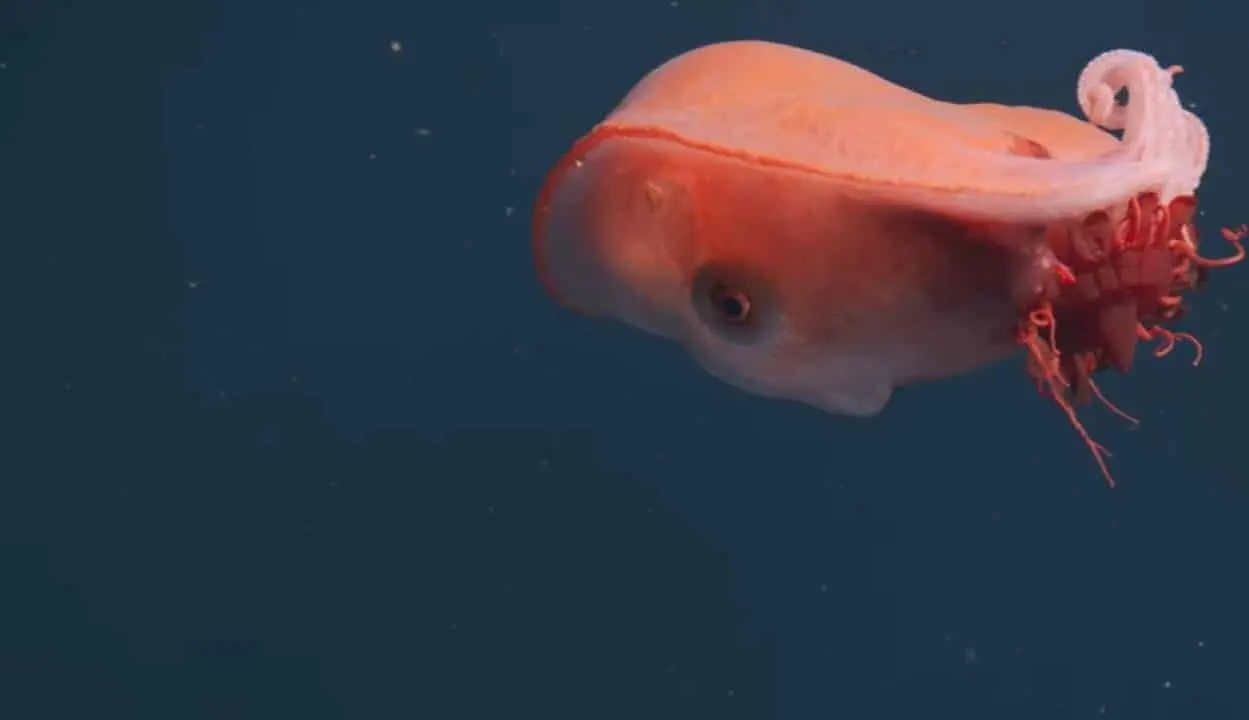
Adaptability is the most valuable characteristic in a world that suffers from climate change and constant geological instability. Polvos have already demonstrated that they are resilient to thermal variations, managing to thrive where other marine species experience severe population decline. Sua generalist diet allows them to survive consuming a wide range of prey, ensuring nutritional stability in times of scarcity of specific resources.
Leia Também



In a scenario without human industrial fishing, cephalopod populations could explode, intensively occupying coastal areas and reefs. Increasing population density could force more complex social interactions, leading to the emergence of languages and knowledge transmission systems between generations. Atualmente, the short lifespan of octopuses is an obstacle, but evolution could favor individuals with greater longevity in the future.
Comparison between candidate species for terrestrial dominance
| Species | Advantage Cognitiva | Limitation Principal | Potential Tecnológico |
| Octopus | Motor and spatial intelligence | Short life (1 to 5 years) | High (handling) |
| Chimpanzee | Socialization and use of tools | Reduced population | Medium (social dependence) |
| Crow | Memory and complex logic | Lack of manipulative members | Low (limited anatomy) |
| Dolphin | Advanced sound communication | Dependence on aquatic environment | Bass (no limbs) |
Scientific view on the succession of intelligence on the planet
The idea that octopuses could inherit Terra is not just fanciful speculation, but a data-driven exercise in theoretical biology. Professor Tim Coulson emphasizes that evolution does not have a final objective, but responds to the immediate survival needs of each lineage. If octopuses overcome the barrier of cultural data transmission, there would be no theoretical limits to what they could achieve as a dominant species.
The diversity of forms and functions within the Cephalopoda class allows for a vast exploration of niches that are currently protected or explored by humans. Desde abyssal waters to tidal zones, these animals demonstrate a phenotypic plasticity that is rare in other highly intelligent taxonomic groups. The future of intelligent life on Terra may therefore be much wetter and more tentacled than traditional predictions have suggested.
The complexity of these mollusks’ brains allows them to process visual and tactile information in an integrated and extremely fast way. Essa speed of processing is vital for predation and avoiding danger in highly competitive coral reef environments. Over time, this processing capacity could be redirected toward solving abstract problems and developing a symbolic culture.
- Study of color patterns as a form of complex language.
- Use of coconut shells and shells as armor or mobile shelters.
- Ability to recognize human faces and interact differently with each one.
- Extreme body flexibility to access places inaccessible to larger predators.
Octopuses are known for their ability to escape from tanks in laboratories, demonstrating an intuitive understanding of physical and mechanical systems. Essa innate curiosity is the engine of any technological progress, as it drives experimentation with the immediate environment. Sem humans to contain them, these professional escapists could begin to shape the seabed in ways we can barely imagine today.
The biology of Oxford reinforces that nature hates a vacuum, and wherever there is an opportunity for intelligence to flourish, it will find a biological path. Although human disappearance is a hypothetical event, it serves to remind us of the fragility of our domain and the incredible intelligence that silently surrounds us. The octopus, with its decentralized mind and voracious adaptability, waits in the oceanic shadows for its chance to take center stage in the history of terrestrial life.
We conclude the analyzes by observing that evolution is a slow but relentless process, capable of transforming solitary predators into masters of their environments. The human legacy will leave geological marks, but biological intelligence will continue its journey through life forms that we underestimate today. Cephalopod dominance would be an ironic twist in natural history, moving the epicenter of civilization back to the waters where life began.
Science will continue to monitor the cognitive capabilities of these fascinating creatures to better understand the limits of non-human intelligence. Cada new discovery about the octopus genome reveals a complexity that challenges our traditional definitions of brain development. The future of Terra remains a mystery, but the octopus stands as one of the strongest contenders to write the next chapters of planetary existence.