

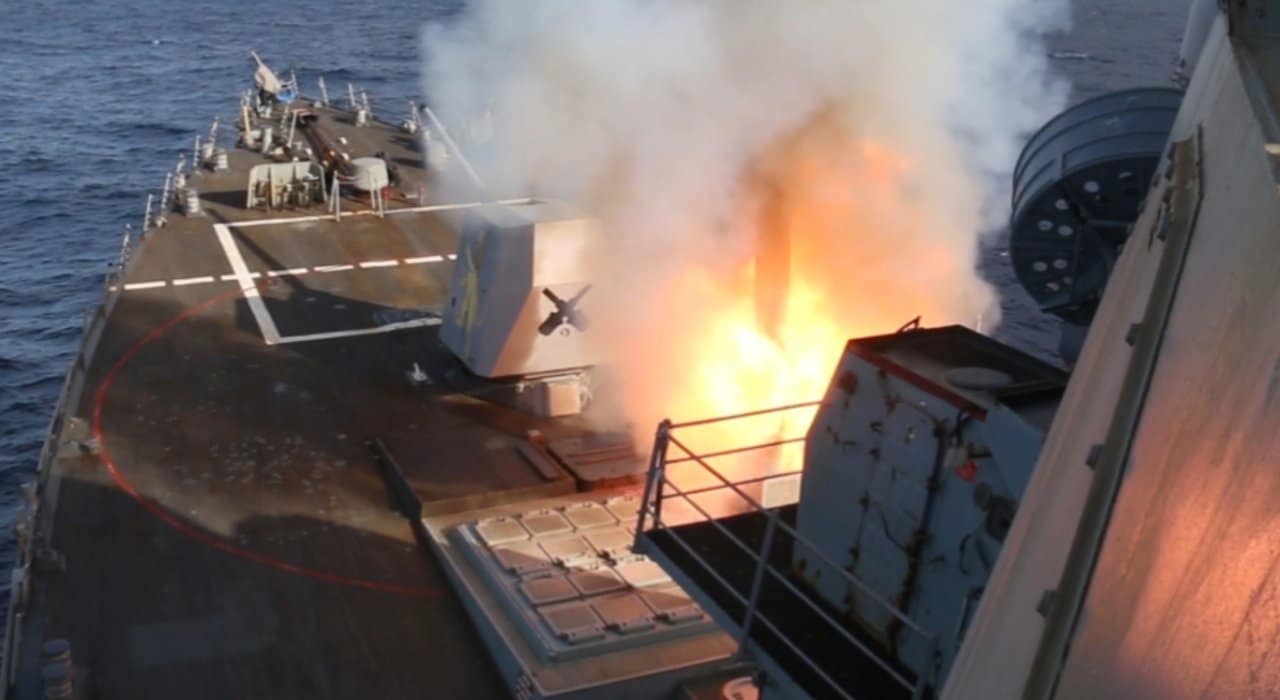
The security scenario in Golfo Pérsico suffered a dramatic deterioration this Tuesday, March 3, consolidating the fourth consecutive day of open hostilities involving regional and global powers. Instability reached a new critical level with the expansion of direct clashes between Iranian, Israeli and American forces, transforming the region into a complex and volatile theater of operations. The exchanges of fire, which include ballistic missile strikes and drone incursions, have gone from isolated skirmishes to a systemic crisis that threatens the security architecture of the Oriente Médio.
Diplomatic and military authorities are watching with apprehension the unfolding of events, which are now directly affecting civilian infrastructure and trade routes. The international community is mobilizing as a matter of urgency, with União Europeia and several national governments initiating crisis protocols to guarantee the safety of their citizens. The risk of a prolonged conflict generates shock waves in financial markets, especially given the uncertainties about the continuity of global energy flow.
The Departamento of Estado of the Esta drastic measure reflects intelligence assessment that security on the ground is precarious and subject to rapid change. Simultaneamente, Israel intensified its military operations, issuing evacuation orders for areas in the south of
Data released by Crescente Vermelho Iraniano points to a severe human cost, with 787 confirmed deaths as a result of continuous aerial bombings. The humanitarian situation is worsening by the hour, putting pressure on local health systems and requiring a coordinated response from relief agencies, which face logistical difficulties due to intermittent airspace closures and active combat zones.
The imminent danger for global supply
The economic dimension of this conflict gained alarming contours with recent statements from Teerã regarding the control of maritime traffic. The Estreito of Ormuz, a vital artery through which approximately 20% of the world’s daily oil consumption flows, has become the focal point of strategic tensions. The possibility of interrupting flow through this narrow passage puts the stability of fuel prices on a global scale at risk, with the potential to trigger an inflationary crisis in several import-dependent economies.
Ebrahim Jabari, senior advisor of Esta’s aggressive posture represents the most direct threat since the start of hostilities, signaling Teerã’s willingness to use oil as a tool of asymmetric pressure against its adversaries.
Energy markets react with extreme volatility to each new announcement, operating on high alert. The region connects essential producers like Arábia Saudita and Emirados Árabes Unidos to the global market through Golfo, Omã and Mar Arábico. Qualquer incident involving oil tankers or port infrastructure could force international naval intervention, further expanding the scope of the conflict.
Air offensives and strategic targets
The Forças of Defesa of Israel confirmed the carrying out of precision attacks against industrial complexes in the Tel Aviv describes these operations as preventive and urgent measures, arguing that the neutralization of these capabilities is fundamental to Israeli national security in the long term. The Israeli government maintains that allowing the advancement of these military programs would make Irã an untouchable existential threat in the future.
In parallel with operations on Iranian soil, Força Aérea of Israel expanded its campaign in Líbano, targeting leaders of Hezbollah in Beirute. The city of Sidon, in southern Lebanon, became a focus of tension with evacuation orders for civilians, indicating the imminence of intense fighting against militant groups allied to the Hamas and the Hezbollah. Esta opening multiple battle fronts challenges the diplomatic and military response capacity of the actors involved.
The Mehrabad airport, in Teerã, which concentrates most of the country’s domestic flights, was hit during the offensives, as reported by the Mehr news agency. Explosões were also recorded in important urban centers such as Tabriz and Urmia, in the northwest of Irã. The geographic extent of the attacks demonstrates that there are no immune areas, increasing the feeling of vulnerability among the civilian population and local authorities.
Expansion of clashes in the Arabian peninsula
The war went beyond the borders of the main belligerents, spreading to neighboring nations in the Golfo. Relatórios intelligence and news agencies confirm that missiles and drones hit territories of Catar, Kuwait, Bahrein, Emirados Árabes Unidos, Arábia Saudita and Omã. The Iranian strategy appears to focus on countries that host US military bases or maintain strategic ties with the Ocidente, in an attempt to raise the political cost of foreign presence in the region.
The Estados Unidos embassy in Riade was the target of two drone attacks this Tuesday. Embora Saudi air defense systems intercepted four unmanned aircraft, debris and explosions caused small fires and material damage in the diplomatic neighborhood. Testemunhas reported columns of smoke and the sound of strong detonations, highlighting the boldness and scope of the offensive capabilities used.
In Cidade of Kuwait, the American diplomatic representation also suffered damage from a direct drone attack. Estes incidents against diplomatic facilities are seen as a serious violation of international norms and increase pressure on Washington for a more robust military response, which could definitively drag the Estados Unidos into the center of the armed conflict.
Diplomatic and humanitarian mobilization
The Iranian government formalized a request for intervention to Conselho of Segurança of Nações Unidas, requesting measures to cease hostilities. Esmaeil Baqaei, spokesperson for Ministério of Relações Exteriores of Irã, emphasized that the international body has the mandate and responsibility to act to restore peace, criticizing the inertia of global powers in the face of escalating violence.
In response to the crisis, União Europeia activated its civil protection mechanisms to assist in the repatriation of Europeans stranded in the conflict zone. Países as well as Itália, Áustria and Eslováquia lead requests for financial assistance to charter emergency flights. EU Crisis Management Commissioner Hadja Lahbib confirmed logistical support, prioritizing the safe evacuation of civilians in the face of the unpredictable closure of commercial air routes.
Jordânia announced the reopening of its airspace after a temporary closure for safety reasons, signaling an attempt to return to operational normality, although caution remains. Air traffic in the region continues to be subject to severe restrictions, complicating both the departure of foreigners and the arrival of essential humanitarian aid to the most affected areas.
Political positions and perspectives
Benjamin Netanyahu, prime minister of Israel, vigorously defended the ongoing military campaign. In official statements, he characterized the actions as urgent and decisive to dismantle the infrastructure of terror that threatens the Jewish state. The Israeli narrative focuses on the need to prevent the Irã from reaching a level of military power that would make any future defense unfeasible.
Donald J. Trump used his platform on the Truth Social network to comment on the situation, suggesting that the time for diplomatic negotiations with Irã has passed. Sua analysis points to a conflict that could last for weeks, not ruling out a deeper involvement of the American armed forces. Essa rhetoric reinforces the perception that diplomatic options are quickly running out.
The Índia, maintaining its non-alignment stance, expressed deep anxiety about the attacks on merchant ships and the escalation of violence. The Indian Ministério of the Relações Exteriores reiterated the call for dialogue, condemning actions that put maritime security and the lives of innocent civilians at risk. Nova Déli emphasizes that the military solution will not bring lasting stability to the region.
The security alert issued by the US embassy for the region of Dhahran, in Arábia Saudita, instructing citizens to seek immediate shelter from missiles, illustrates the daily reality of fear that has taken hold. With commercial flights limited and borders under tension, millions of people await developments in a conflict that, in just four days, redefined the balance of power in Oriente Médio.



