Total lunar eclipse of 2026 with blood moon partially visible in Brazil check times and how to observe the phenomenon
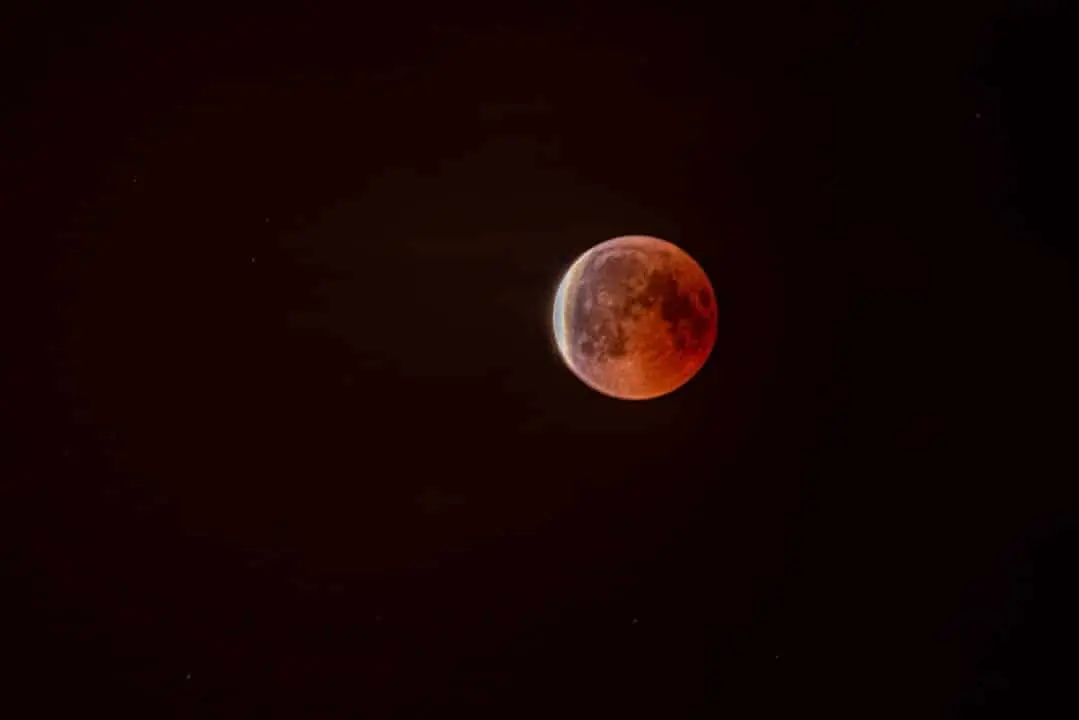
Total lunar eclipse known as blood moon takes place this Tuesday, March 3, 2026. The phenomenon occurs when the earth is positioned between the sun and the moon, projecting its shadow onto the natural satellite. Brasileiros throughout the territory can only follow the initial stages before the moon sets on the western horizon.
Observation begins at dawn and requires clear skies to be successful. Especialistas warn that the totality with the characteristic reddish color does not appear in the country due to the time and geographical position.
- Locations with an unobstructed western horizon favor viewing.
- Weather forecast must be consulted in advance.
- Urban light pollution can reduce the brightness of the event.
Precise lunar eclipse times in Brazil
The start of the penumbral phase is scheduled for five hours and forty-four minutes Brasília time. At Nessa stage the moon enters the lightest shadow of the earth and undergoes a slight darkening that is still difficult to notice with the naked eye.
The partial phase starts at six hours and fifty minutes. Nesse moment the moon begins to be covered by the darkest shadow and the brightness decreases noticeably for those who observe carefully.
Totality occurs between eight hours and four minutes and nine hours and two minutes but cannot be seen in Brazilian territory because the moon has already set on the horizon.
Visibility of the phenomenon varies by region
Regions further west, such as Acre and western Amazonas, record the best conditions to follow the beginning of the eclipse. Nessas areas the moon remains above the horizon for longer, allowing part of the partial phase to be seen with greater clarity.
States in the southeast and south face greater difficulty because sunrise coincides with the event and the moon is very low. Observadores in these locations they need a high point without obstacles to try to register the first changes.
Coastal cities also suffer from humidity and possible morning fog that hinder visibility. The moon appears low and close to the point where the sun rises in many regions.
The complete phenomenon with the completely reddish moon is restricted to other continents such as parts of North America, the Pacific Ocean, Australia and East Asia.
Essential tips for attending the event safely
Observation can be done with the naked eye without the need for special equipment or protective filters. Basta choose an open location with a clear view to the west and arrive at least twenty minutes before the start to adapt your vision to the darkness. Binóculos or a small scope improves details but is not mandatory.
It is essential to check the weather forecast in advance because clouds can completely block the show. Evite areas with a lot of artificial lighting so as not to lose the subtle contrast of the initial phases. Leve coat and water as the March dawn can still be cool in many parts of the country. Compartilhar spending time with family or amateur astronomy groups makes the experience more educational and safe.
Science behind the red color of the moon
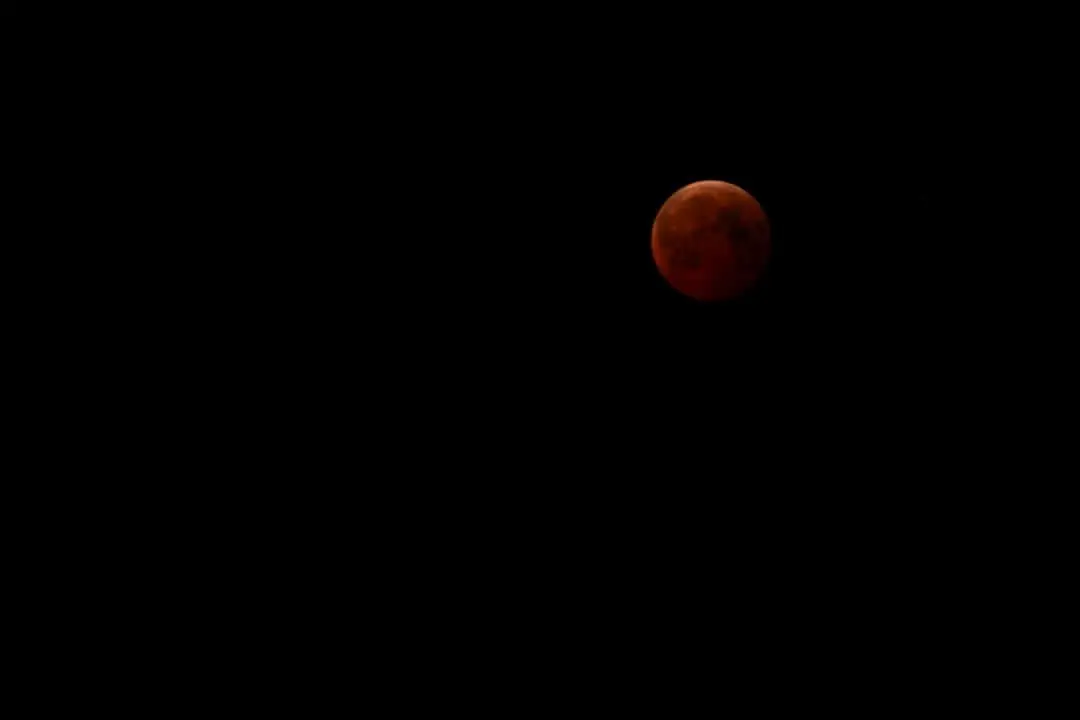
The reddish color that gives the phenomenon its name appears only in the phase of totality when the moon is completely within the earth’s shadow. Nessa situation the Earth’s atmosphere works as a natural filter, scattering the blue light and letting only the red and orange tones pass through, which are refracted towards the satellite. The same principle explains the reddish tone of the sky during sunrise or sunset. Sunlight continues to reach the moon indirectly after passing through the edge of the earth and undergoing this atmospheric deflection.
This is why the moon does not disappear completely even within the umbra and takes on a sanguine appearance. Esse effect depends exclusively on the perfect alignment between the sun, earth and moon and occurs in all total lunar eclipses regardless of the season. In the current case, the totality will not be recorded in Brazil but the scientific mechanism remains the same for those who follow the event through broadcasts or in other regions of the planet.
Difference between the penumbral and partial phases
The penumbral phase represents initial contact with the earth’s light shadow and causes only gentle darkening. Já the partial involves entry into the dark umbra and produces a visible bite into the lunar disk.
Regions with favorable conditions for observation
States in the northern region have the greatest chances of success in partial observation. Acre and western Amazonas allow you to see the phenomenon for longer before moonset.
Roraima and Rondônia also offer good visibility as long as the sky remains clear. Partes from the west of Mato Grosso and Pará are able to register the initial changes with relative ease.
The rest of the country depends on exceptional weather conditions and high points to try to keep up with the start of the event.