
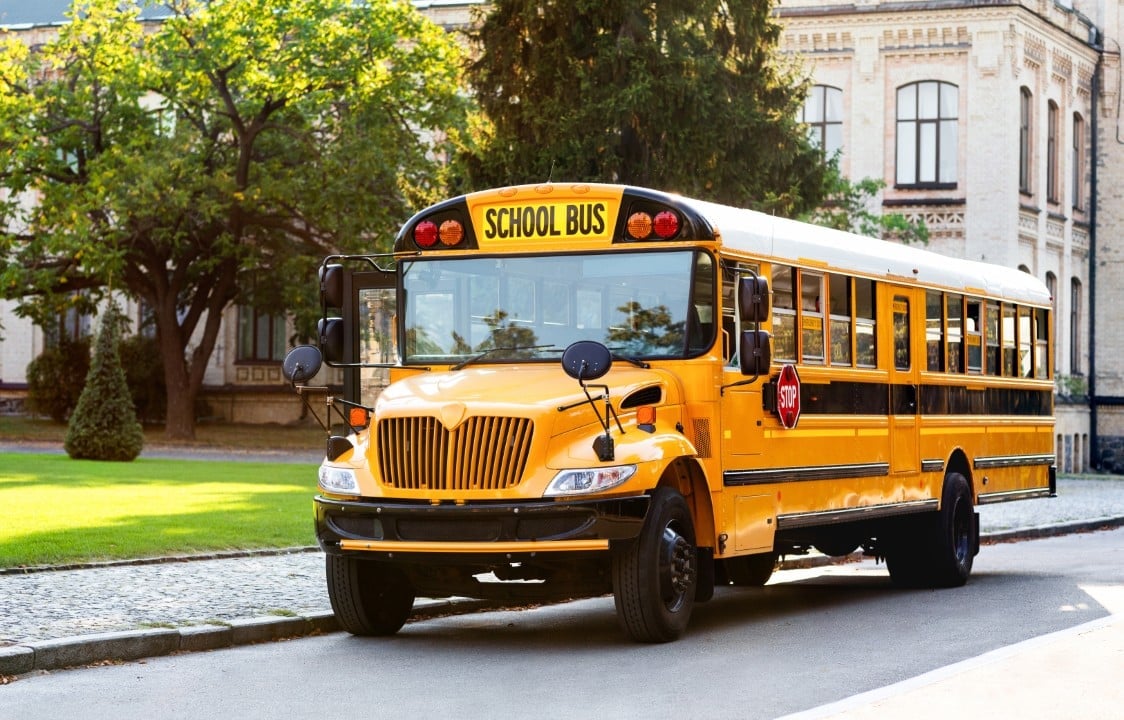
A severe cold front reached the central region of Ohio in the early hours of Monday, March 2, 2026, forcing several educational institutions to modify their operational schedules. The combination of snow, freezing rain and low temperatures created dangerous road conditions, leading school superintendents to prioritize the safety of students and staff by suspending classes altogether or delaying the start of activities.
The storm system gained strength during the early hours of the morning, coinciding with the morning commute for thousands of families and workers. Meteorologistas locals noted that the mixed precipitation was particularly heavy in areas south of I-70, where ice buildup on paved surfaces significantly increased the risk of accidents. Traffic authorities issued warnings about reduced visibility and slippery road conditions.
Faced with the adverse scenario, the response from school districts was quick, with announcements issued early in the morning to allow parents and guardians to adjust their routines. The decision to change the operation of schools is not only based on the condition of the roads, but also on the capacity of the facilities’ heating systems and the safety of bus stops, where students could be exposed to dangerously low temperatures.
List of affected institutions and schedule changes
Several districts in the central area of Entre the changes confirmed for this Monday include:
- Locais of Amanda-Clearcreek Schools:Atraso 2 hours
- Schools from Cidade to Bellefontaine:Atraso 2 hours
- School Cristã and Pré-school Cypress:Fechada
- School Primária East Linden:Fechada (due to heating problems)
- Schools Locais of Fairbanks:Atraso 2 hours
- Schools from Cidade to Hilliard:Fechadas
- Schools Locais of Indian Lake:Atraso 2 hours
- Locais Jonathan Alder Schools:Atraso 2 hours
- Marysville schools:Fechadas
- District Escolar of Mechanicsburg EVSD:Fechado
- Schools Locais of Miami Trace:Fechadas
- School Cristã Shekinah:Atraso 2 hours
- Southeastern LSD – Chillicothe:Atraso 2 hours
- Schools Locais of Triad:Fechadas
- Locais Schools of West Liberty-Salem:Atraso 2 hours
- Schools from Cidade to Whitehall:Atraso 2 hours
Security protocols and climate monitoring
The management of weather conditions by school administrations involves constant and detailed monitoring. Equipes of school transport carry out tests on the roads during the early hours of the morning to assess the grip and safety of the routes taken by the buses. The variation in temperature, which oscillates between freezing and thawing, creates unpredictable scenarios, such as the formation of layers of black ice, which are difficult for drivers to see.
In addition to traffic conditions, building infrastructure is a determining factor. The case of Escola Primária East Linden, which remained closed due to failures in the heating system, exemplifies the technical challenges posed by extreme cold. Manter adequate internal temperature is essential to comply with student health and well-being standards, requiring rigorous preventative maintenance during the winter months.
Efficient communication between districts and the community is essential in these episodes. The use of digital platforms, messaging apps and collaboration with local media ensure that information reaches families quickly. Transparency in decision criteria helps to mitigate disruptions, although family logistics suffer immediate impacts with the need to relocate child care.
Impacts on urban mobility and recommendations
School closures and delays have a ripple effect on urban mobility in the central region of Ohio. With the change in entry times, the flow of vehicles changes, potentially concentrating traffic at alternative peak times. Public security authorities reinforced the need for extra caution for anyone who needs to leave their homes. The main recommendation is to avoid unnecessary travel while snow cleaning teams work on main and secondary roads.
For drivers, the guidance is to maintain a safe distance from the vehicle in front and reduce speed, adapting driving to road conditions. The presence of service vehicles, such as snow plows and salt trucks, requires extra attention. Além In addition, pedestrians must be aware of slippery sidewalks, using appropriate footwear to prevent falls and injuries.
In homes, thermal safety is also a priority. Responsible use of heaters and checking carbon monoxide detectors are vital measures during severe cold snaps when windows remain closed for long periods. Preparing emergency kits in vehicles and homes, containing blankets and essential items, remains a recommended practice by emergency management agencies in the region.
The forecast indicates that conditions could remain volatile throughout the day as snow transitions to rain, which could worsen water accumulation in slow-draining areas. The population must remain attentive to weather updates on official channels to plan activities for the next few days safely.



