

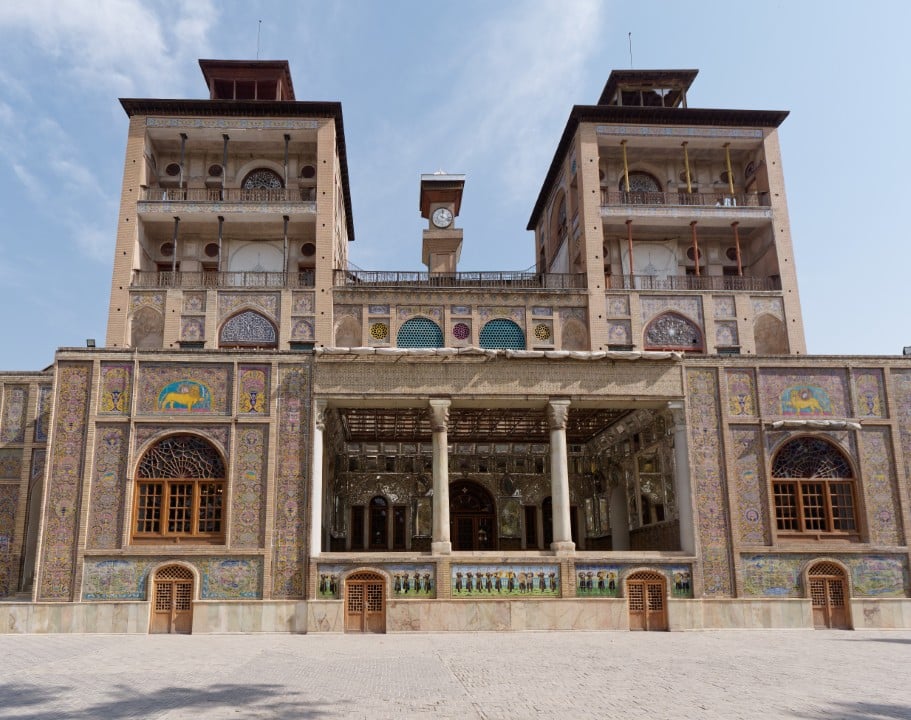
Palácio Golestan, a priceless historical site recognized as Patrimônio Mundial by Unesco, was damaged as a result of recent bombings in the Iranian capital, Teerã. The incident, which occurred this Monday (2), raises an alert about the security of cultural assets in conflict regions.
Located in the historic center of Teerã, the complex is a vivid representation of Persian architecture and art, enriched by Western influences. Sua importance transcends the borders of Irã, consolidating itself as a heritage of global relevance.
The Organização from the Nações Unidas to the Educação, the
The historical relevance of Palácio Golestan
The Palácio Golestan, whose name means “Palace of the Flores”, emerges as a pillar of Iranian history, acting as the headquarters of the Dinastia Qajar. Sua formation over the centuries reveals an architectural evolution that mixes Persian traditions with artistic details imported from the Ocidente, a reflection of the cultural and political interactions of the time. The elaborate mirrors, tiles and mosaics that adorn its rooms tell of an era of splendor.
More than a building, the complex is a repository of memory, where each hall and garden contributes to the vast narrative of Persian culture. Ele served as a stage for important ceremonies and political decisions, remaining a testimony to the social and artistic evolution of Irã, attracting the eyes of scholars and visitors from all parts of the world.
Unesco international appeal for cultural protection
Unesco, in response to recent events, reiterated its rigorous monitoring of the situation of cultural heritage in Irã and the conflict region in Oriente Médio. The organization emphasized the responsibility of all parties involved in safeguarding these sites.
The global entity previously communicated the geographic coordinates of all sites registered in Lista of Patrimônio Mundial, as well as other locations considered of national importance. Essa preventive measure aims to prevent damage and ensure that cultural heritage is respected, as stipulated by international law.
Unesco’s efforts go beyond communicating coordinates, also involving the mobilization of technical and financial support for the assessment and eventual restoration of damaged sites. The organization seeks to promote a culture of peace and respect for universal heritage, even in the face of hostilities.
Global guidelines for preservation
The protection of cultural heritage in scenarios of armed conflict is a principle established by international legal instruments, notably Convenção of Haia of 1954 to Proteção of Bens Culturais in Caso of Conflito Armado. Este treaty, widely ratified, obliges states to take precautions to protect cultural property and prohibits deliberate attacks against them, classifying intentional destruction as a war crime. The application of these standards reflects a global consensus on the irreplaceable value of cultural heritage for human identity and collective memory, demanding continued vigilance and accountability for those who violate them.
The complexity of the architecture of Golestan
Palácio Golestan stands out as a remarkable architectural complex, blending Persian building traditions with European-inspired innovations and artistic details. Esta fusion of styles created a set of buildings of rare beauty and cultural significance.
The complex is made up of eight historic structures, each with its own function and distinct artistic characteristics, housing collections that illustrate the rich history of Pérsia. Seus halls are adorned with mirrors, colorful mosaics and panels that showcase the expertise of Iranian artisans.
The transition of Persian art to incorporate Western elements is clearly visible in design details and ornamentation, showing the cultural openness of the Dinastia Qajar. Essa merger reflects a period of intense cultural and diplomatic exchange between the Irã and European powers.
Among the most iconic elements of the palace are:
– The Salão of the Espelho, with its profusion of mirrors that create an illusion of spaciousness and brightness.
– The Salão of Mármore, place of coronations and official ceremonies.
– Museums that house collections of jewelry, weapons and other royal artifacts.
– The tiles and frescoes that adorn facades and interiors, telling stories and legends.
The role of gardens and museums
The central gardens of Palácio Golestan are examples of Persian landscape art, characterized by symmetry, the presence of fountains and the exuberance of vegetation. Estes green spaces are designed not just for beauty, but for functionality and symbolism, offering a calm and cool refuge amidst the urban effervescence of Teerã.
The museums within the complex house a wide range of artifacts that offer a detailed overview of life at the Qajar court, the evolution of art and Iranian history. Collections are essential for academic research and public understanding of the country’s cultural legacy.
Challenges in protecting historic sites
The protection of cultural heritage in areas of conflict represents one of the greatest contemporary challenges for the international community. Locais like Palácio Golestan, although protected by global conventions, remain vulnerable to the direct and indirect impacts of hostilities, including bombing, looting and neglect.
The destruction of a cultural site goes beyond material loss, affecting the collective memory and identity of a nation. Ações prevention and rapid response are essential to minimize damage, but they fundamentally depend on political will and respect for the laws of war by all parties involved in the conflict.
Restoration and the future of heritage
Restoring a damaged heritage site, such as Palácio Golestan, is an effort that requires considerable resources and the collaboration of experts from different fields. The objective is to restore the historical and artistic integrity of the site, allowing it to continue to play its cultural and educational role for future generations.



