
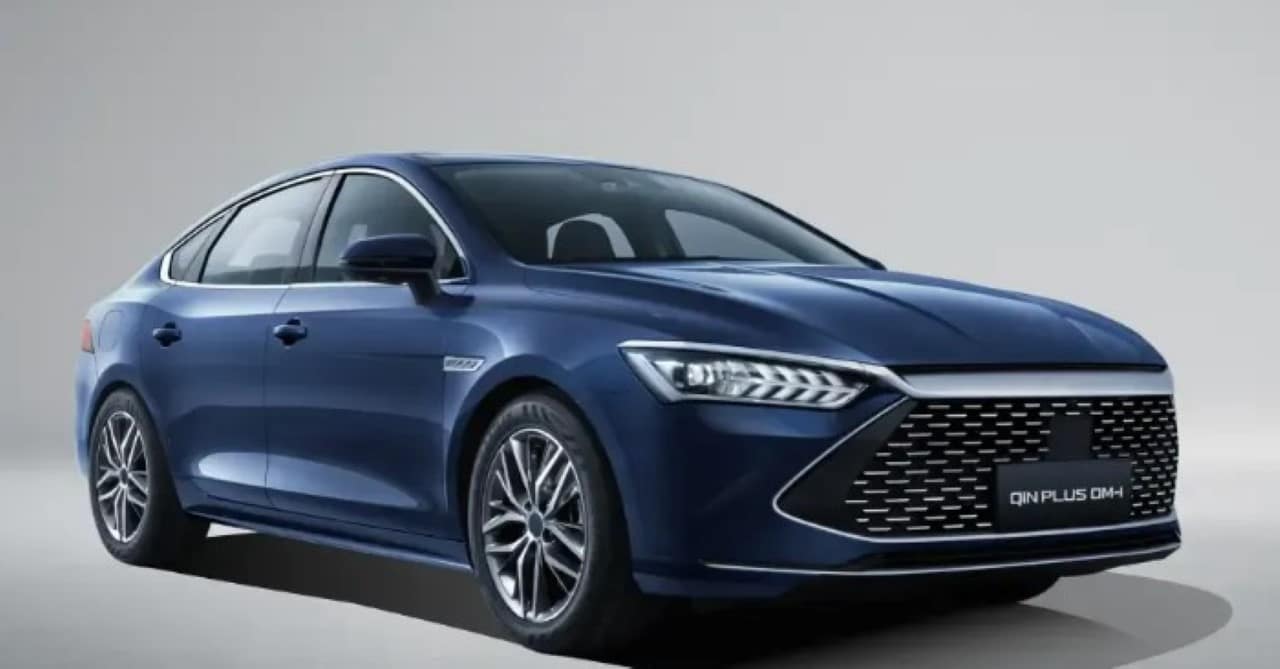
BYD recalls almost 90,000 Qin Plus DM-i units due to critical battery system failure


Chinese automotive giant BYD has issued an official statement calling for thousands of vehicles to be returned to dealerships or urgent remote updates to be carried out to ensure driver safety. The focus of the action involves the Qin Plus DM-i plug-in hybrid sedan, one of the brand’s most popular models, due to a manufacturing flaw identified in the high voltage system controller. The defect, although specific, raises concerns about the thermal stability of the power pack in situations of continuous use.
Technical investigations have shown that the problem resides in the battery controller production process, which may present voltage variations not tolerated by the original system. Essa inconsistency has the potential to compromise communication with the battery management system (BMS), preventing accurate monitoring of the power cells. In extreme scenarios, this communication failure can lead to uncontrolled overheating, known as thermal runaway, significantly increasing the risk of a vehicle fire.
Scope and regulatory response
The safety recall covers a total of 87,981 vehicles manufactured between January 2021 and September 2023, as detailed in the reports submitted to Administração Estatal of Regulação of Mercado of China (SAMR). The regulatory authority emphasized the need for immediate action, given the volume of cars in circulation and the critical nature of the affected component. The automaker acted promptly upon recognizing the vulnerability, establishing a timeline to mitigate risks before serious incidents occur.
The correction strategy adopted by the manufacturer uses vehicle connectivity technology to speed up the process and reduce inconvenience for owners. The first step consists of a software update via Over-the-Air (OTA), which modifies the battery management system parameters to detect anomalies in the faulty controller. Essa approach allows the initial correction to be applied without the driver having to physically travel to a workshop, demonstrating the versatility of modern software-defined vehicle platforms.
If the updated software identifies physical risks on the hardware during automatic diagnosis, the owner will be notified immediately via the car’s dashboard. Nessas specific situations, it will be mandatory to visit an authorized dealer for a physical and free replacement of the affected battery pack. The company guaranteed that all costs related to inspection, diagnosis and replacement of components will be fully covered, reaffirming its commitment to quality and consumer safety.
Market context and recent history
This episode marks another chapter in the logistical challenges faced by large manufacturers of electric and hybrid vehicles, who deal with complex technologies on a global scale. Recentemente, the brand also had to adjust other models in its portfolio, such as the Dolphin and the Yuan Plus, to correct different faults related to electrical components and steering systems. Esses movements are seen by analysts not only as failures, but as a maturation of quality control protocols in an industry that is growing rapidly.
Despite the repair recalls, the automaker’s business performance remains robust, supported by continued demand for new energy vehicles. Transparency in the recall process and speed in implementing technological solutions, such as OTA updates, have been fundamental to maintaining consumer trust. The market is closely watching how effectively managing these incidents can strengthen the brand’s long-term reputation, consolidating its leadership position in the global automotive sector.



