HyperOS 3.1 global update optimizes performance and brings new AI features to 70 devices
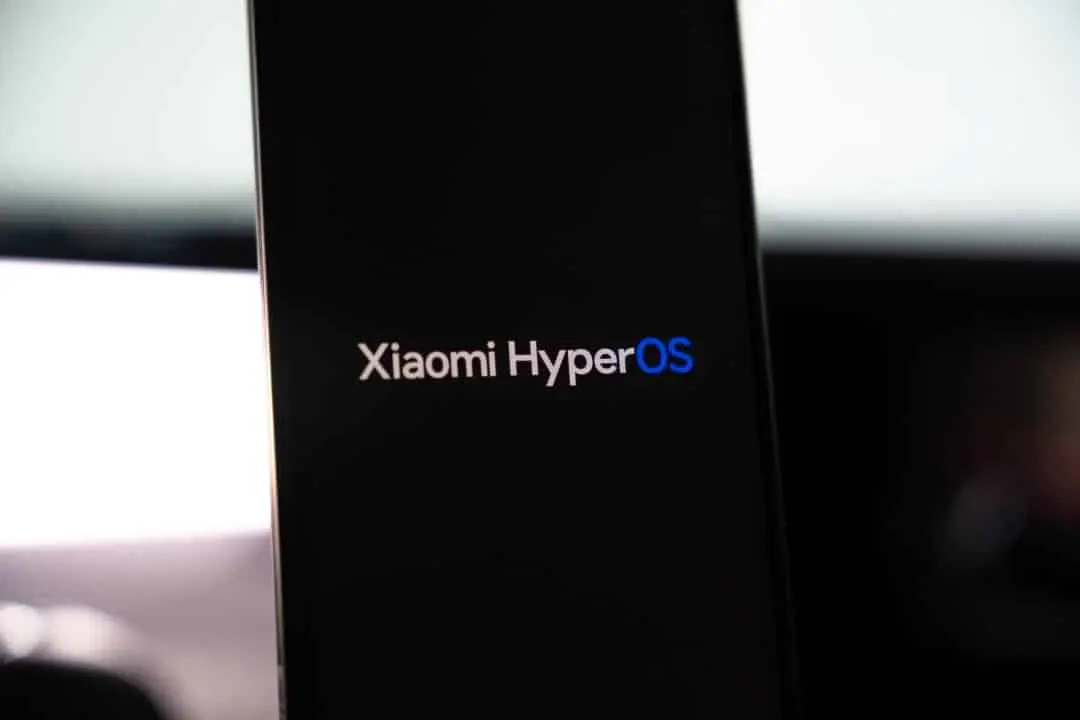
The Chinese technology giant has started the massive distribution of its latest user interface, covering a vast list of equipment from its main lines and subsidiaries. The software package began to be gradually made available for around 70 different models, covering smartphones and tablets from the Xiaomi, Redmi and Poco families, with the aim of unifying the ecosystem experience and delivering significant visual improvements.
The implementation process began in the Asian market in January this year and follows a staggered schedule that will reach global users in the coming weeks. The manufacturer’s strategy aims to guarantee the stability of the system before a massive launch in all territories where the brand has an official presence, ensuring that any flaws are corrected before global expansion.
The changes introduced in this version focus on raising usability standards, with emphasis on the integration of advanced tools and the devices’ haptic feedback. Entre The main new features confirmed by the company for this compilation include the deep optimization of algorithms aimed at saving battery and the implementation of new system animations, which promise to be more fluid and responsive to the user’s touch.
In addition to infrastructure improvements, the update brings the native integration of artificial intelligence resources, which begin to operate more organically within the operating system. Houve also a complete redesign of essential applications for everyday use, such as the Galeria photo application and the Tempo application, which received cleaner and more functional interfaces.
On the same topic: Android system receives native Gemini Nano 4 integration for offline processing on smartphones
Visual enhancements and AI features
The new version of the operating system brings crucial changes to the visual architecture, promising more organic navigation and less prone to crashes. Transitioning between screens and opening applications has been redesigned to create a sense of continuity, eliminating stuttering reported in previous versions. The company reinforces that fluidity in daily use was one of the priorities in developing the code.
In addition to aesthetics, artificial intelligence plays a central role in the operation of devices, processing complex tasks directly on the hardware, without the need for constant connection to the cloud. The system now manages notifications more intelligently and suggests contextual actions based on user behavior, in addition to facilitating connection with third-party accessories, such as wireless headphones, through quick pairing protocols.
Customization has also been expanded, allowing owners to modify the lock screen more freely. The interface incorporates functionalities similar to a “dynamic island”, allowing quick access to media controls and system alerts directly at the top of the screen, integrating with the front camera design.
Distribution schedule and priorities
The update calendar follows a chess logic, prioritizing the most recent devices with more robust hardware to receive the news first hand. Test and stable versions began circulating in high-end models at China at the end of January, serving as a basis for final adjustments before international expansion.
In the global market, the expectation is that update notifications via OTA (Over-The-Air) will appear on devices throughout the first half of this year. The Xiaomi 15 and 14 line tops the priority list, followed by premium intermediate models that will undergo internal battery testing to ensure compatibility.
The manufacturer maintains an open feedback channel with the community to monitor the stability of the software. Caso critical bugs are detected, the schedule may undergo occasional changes, ensuring that the final result is not harmed by security breaches or excessive energy consumption.
More on this story: Samsung releases Android 16 for the Galaxy S23 line with innovations in the One UI 8 interface and security
List of compatible devices and flagships
The list of eligible devices encompasses a significant number of products launched in the last two years, reaffirming the brand’s commitment to long-term support. The numbered series, which represent the company’s premium segment, receive full treatment, including all AI features that require more powerful processors.
Models from the Xiaomi 15 family, including the Pro and Ultra variants, along with the Xiaomi 14 line, are the first to run the new system. Previous generation Dispositivos, like the Xiaomi 13 series and specific variants like the 13T Pro, have also been confirmed and will receive optimizations suited to their respective chipsets.
See Also


In the large screen segment, tablets have not been forgotten. The Xiaomi Pad 7 and its Pro versions gained an adapted interface with a focus on productivity and multitasking, taking advantage of the extra display space to improve the workflow.
Inclusion of Poco models and Redmi tablets
The subsidiary Poco, known for its focus on performance and cost-benefit, also integrates the update program with several popular models. The highlight is the F line: the new Poco F7 and F7 Pro receive special attention in optimizing games and thermal management during intense use sessions.
Learn more: South Korean manufacturer releases Android 16 and One UI 8.5 schedule for dozens of Galaxy models
The brand’s intermediate lines, such as the X7 series, will also be covered, maintaining feature parity with more expensive devices. The unification strategy ensures that users at different price points have access to the same connectivity and visual customization tools.
Tablets like the Redmi Pad Pro and Poco Pad gained specific features to improve interconnectivity. The update improves file transfer between cell phones and tablets, in addition to reducing latency in screen mirroring, making it easier to use the integrated ecosystem.
Technical infrastructure and base Android
HyperOS 3.1 is built on different foundations depending on the device’s hardware: in the most recent models, it uses Android 16, taking advantage of the new Google architecture. Já for older devices, the interface is applied over Android 15, maintaining the visual identity and most resources, but respecting processing limitations.
Learn more: Xiaomi begins global distribution of HyperOS 3.1 with Android 16 for new cell phones and tablets
“Super OTA” technology was implemented, which aims to make future updates more agile, fragmenting data packages so that download and installation occur more quickly. RAM management has also been rewritten to better handle multiple applications open simultaneously.
Security remains a fundamental pillar, with protection patches integrated into the core package. Xiaomi ensures that data processing for AI functions occurs with layers of encryption to protect the privacy of user information.
Continuous monitoring and expansion
The company continues to monitor the performance of version 3.1 through automatic reports and feedback on official forums. The goal is to cover all 70 planned models by mid-2026, adjusting the software according to the needs of each specific region.
Users can check update availability manually through the system settings menu. Recomenda Make sure the device is charged more than 50% before starting the installation process to avoid interruptions.