


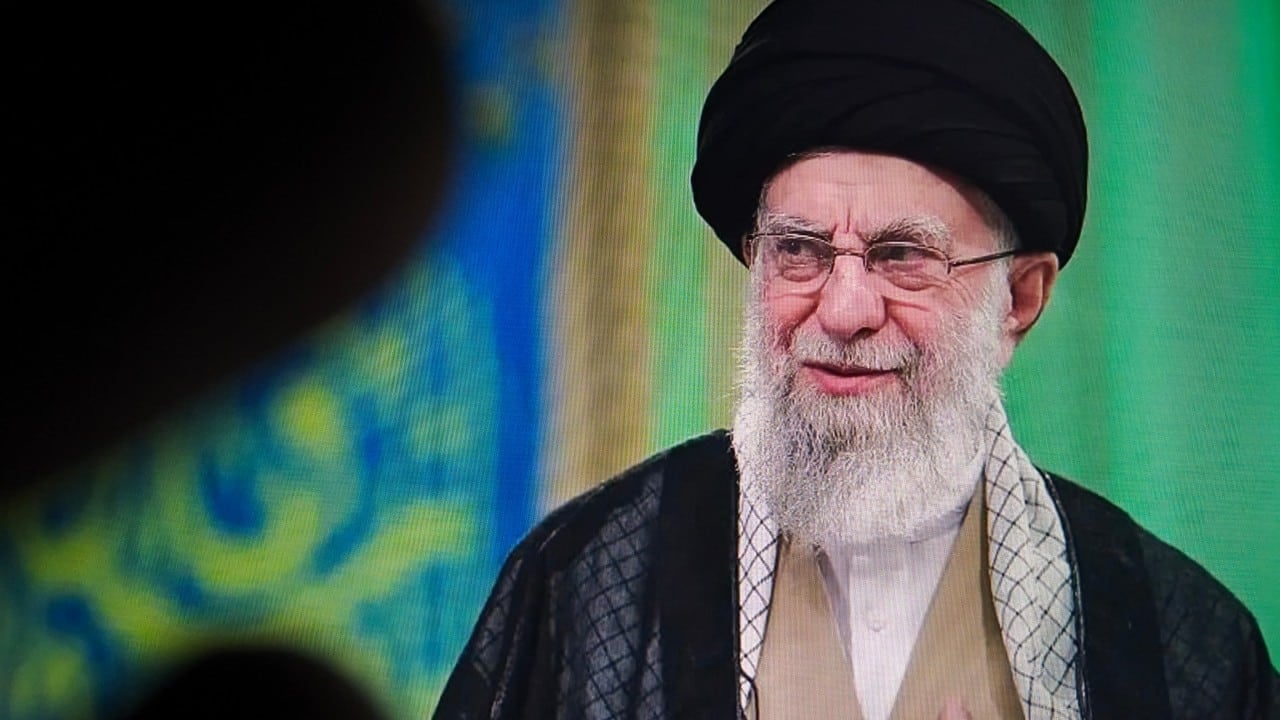
Assembleia of Peritos of Irã began deliberations to choose the new supreme leader after the death of Ayatollah The body, made up of 88 Shiite clerics, has the constitutional authority to appoint the successor, who exercises absolute political and religious power in República Islâmica. Quatro clerical figures emerge as main candidates: Mojtaba Khamenei, son of the late leader; Alireza Arafi, current interim leader; Mohammad-Mahdi Mirbagheri, ultraconservative; and Hassan Khomeini, grandson of the founder of the Islamic revolution. The decision takes place in a context of high military tension and internal instability.
The attack that killed Khamenei, aged 86, was part of a wider operation against strategic Iranian targets. Autoridades confirmed the death hours after the announcement made by American President Donald Trump. A three-member provisional council — President Masoud Pezeshkian, Judiciary Chief Gholam-Hossein Mohseni-Ejei and Ayatollah
This is the first succession since 1989, when Khamenei replaced Ruhollah Khomeini. The process follows strict constitutional rules, requiring that the chosen one be a senior Shia jurist, with in-depth knowledge of Islamic jurisprudence, political capacity and recognized moral authority. The Assembleia sessions take place behind closed doors and the choice may be announced within a few days.
Main names in the dispute
Mojtaba Khamenei, 56 years old, appears as a favorite in internal analyses. Filho of the former leader, he maintains strong influence in clerical power circles and close ties with Guarda Revolucionária Islâmica commanders. Apesar bears the title of ayatollah, his hierarchical level is intermediate. The hard-line stance and support from conservative wings reinforce his candidacy. The loss of family members in the same attack — including mother, wife and young son — adds a personal dimension to the scenario. The Shiite tradition, however, tends to reject direct hereditary successions.
Alireza Arafi, 67, currently serves as interim leadership as part of the interim board. Proveniente from a clerical family, he rose to prominence after the accession of Khamenei in 1989. Ele specializes in Islamic jurisprudence, philosophy and technology, and speaks fluent Arabic and English. Desde 2016, commands all religious seminaries in the country. In 2022, he transmitted a message from Khamenei to Papa Francisco during a meeting at Vaticano.
Ultraconservative and moderate on the list
Mohammad-Mahdi Mirbagheri represents the strictest wing of the Iranian clergy. Ele presides over Academia from Ciências Islâmicas into Qom and constantly criticizes Ocidente in public speeches. Sua influence derives from the uncompromising defense of revolutionary ideals and opposition to any form of external openness.
Hassan Khomeini, 53 years old, grandson of Ruhollah Khomeini, appears as a moderate option. Diferente of the others, does not carry the title of ayatollah, but maintains relationships with reformists, including former presidents Mohammad Khatami and Hassan Rouhani. Ele serves as guardian of his grandfather’s mausoleum in Teerã, with no experience in executive positions. Alguns sectors defend his appointment to promote stability and reduce internal tensions following recent protests.
Criteria and context of choice
Assembleia of Peritos evaluates candidates based on:
- Advanced knowledge of Islamic jurisprudence (fiqh)
- Political and administrative leadership capacity
- Recognition as a religious authority among peers
- Alignment with principles of Revolução Islâmica
- Ability to maintain unity in the clerical establishment
The new leader will take over at a delicate moment, with the Irã responding militarily to external attacks and facing internal cohesion challenges. The country declared 40 days of official mourning. The final decision seeks to balance religious tradition and the demands of the current system.
The process follows strict constitutional standards, with priority given to religious and political qualifications. The choice could consolidate the power of conservative wings or open space for moderation, depending on the consensus reached by the 88 experts.



