

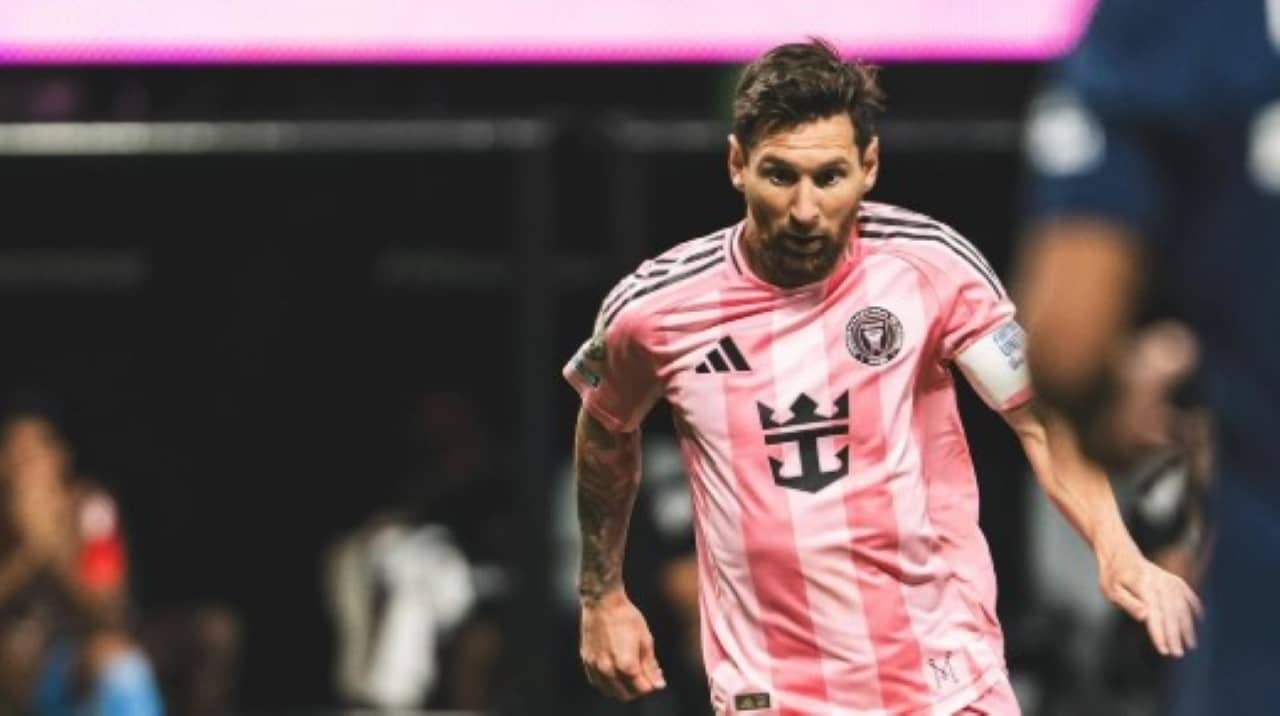
A recent study by CIES Lionel Messi, playing for Inter Miami, took first place with 59 direct contributions, surpassing elite competitors.
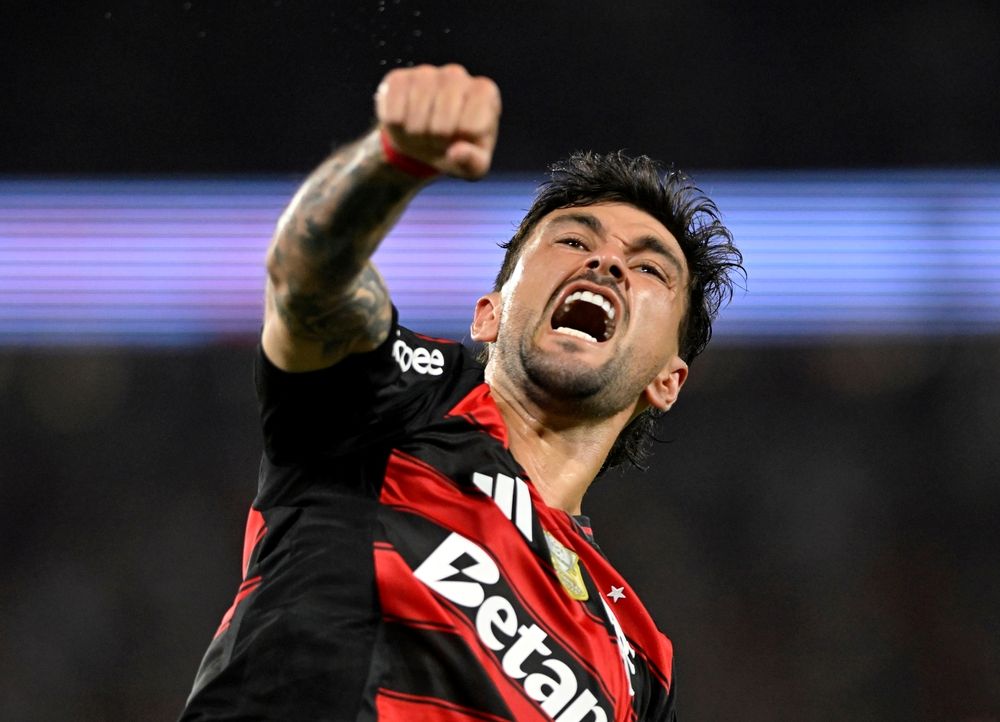
The ranking considers advanced metrics, such as the quality of matches and the sports coefficient, to consider decisive actions. Arrascaeta, midfielder of Flamengo, ranked 22nd, reflecting her consistency in national and international competitions.
This global classification covers athletes from different leagues, without differentiating levels of competition, which makes Messi’s achievement even more notable in a broad context. Jogadores like Harry Kane and Kylian Mbappé follow closely, but the Argentine maintained a significant advantage in efficiency.
Standout performance from Messi
Messi registered 37 goals and 22 assists in domestic matches, demonstrating a constant influence on the Inter Miami attack. Seu impact index, calculated by the observatory, reflects not only raw numbers, but also the context of the competitions played.
These contributions helped the team reach competitive positions in MLS, where the Argentine continues to be a central part of offensive strategies. Analistas point out that his vision of the game and precision in decisive passes increase the team’s collective performance.
Methodology applied in the ranking
CIES used a formula that multiplies contributions by an average match coefficient, compared to the 100 best players. Essa approach ensures a balanced assessment regardless of the league.
For players like Arrascaeta, who plays in South American football, the method highlights actions in high-pressure contexts. The study covered data from more than a thousand athletes, prioritizing consistency over 365 days.
The observatory emphasizes that the ranking focuses on direct offensive impact, excluding other defensive aspects. Essa specificity allows you to identify talents that frequently change the course of games.
Prominent positions in the top-10
Harry Kane, of Bayern of Munique, occupied second place with 42 contributions, including 35 goals. Sua efficiency in finishing places him as a reference in European football.
Anders Dreyer and Kylian Mbappé tied for third with 41 each, showing versatility in competitive leagues. Mbappé, now in Real Madrid, continues to impress with speed and precision.
Xherdan Shaqiri, at FC Basel, surprised with his performance, scoring points for creating opportunities. Luis Suárez, veteran of Sporting, maintained relevance with decisive goals.
Vangelis Pavlidis, from Benfica, and Denis Bouanga, from Los Angeles FC, complete the group, highlighting the geographical diversity of the ranking.
Contributions by Arrascaeta on Flamengo
Arrascaeta has been fundamental in the Flamengo campaigns, participating in goals that influence results in Brazilian and continental championships. Sua 22nd position reflects a productive season, marked by precise assists and timely finishes.
The Uruguayan is part of a select group of South Americans in the top 30, alongside names like Alfredo Morelos and Julián Quiñones. At the Rio club, he accumulates historic marks, such as surpassing 100 goals for the team.
Other South American names on the list
In addition to Arrascaeta, players like Luis Suárez and Alfredo Morelos represent América of Sul in the rankings. Suárez, with his experience, continues to deliver impressive numbers in smaller European leagues. Morelos, in Atlético Nacional, demonstrates recovery in physical and technical shape, contributing to the Colombian attack. Esses athletes highlight the continent’s relevance in global impact metrics.
The ranking also includes Paulinho Fernandes, in Deportivo Toluca, who stands out for his versatility in midfield. Sua presence reinforces the quality of players trained in South American academies. Facundo Callejo, from Cusco, appears as a surprise, with goals in Peruvian competitions that draw attention to emerging talents in the region.
Influence of varied leagues
The study covers 67 leagues, from the main European ones to Asian and American competitions, ensuring a broad view of world football. Jogadores of teams like Al-Sadd and Shandong Taishan, like Akram Afif and Valeri Qazaishvili, illustrate the growth of the sport in emerging markets.
These inclusions show that decisive impact is not limited to elites, but emerges in different contexts. Cristiano Ronaldo, in Al-Nassr, appears in 15th place, proving his longevity in Oriente Médio leagues.
The balance between continents enriches the analysis, highlighting how standardized metrics reveal global talent. Erling Haaland, from Manchester City, in 20th, represents Premier League with its strength in submissions.
European highlights in mid-table
Ivan Toney, now at Al-Ahli, and Michael Olise, at Bayern of Toney adapts quickly to Saudi football, maintaining efficiency in goals. Olise, with dribbling and passing, strengthens the Bavarian attack in continental competitions.
Darko Lemajić, from FK RFS, and Berkan Taz, from SC Verl, surprise with performances in smaller European leagues. Lemajić leads in assists at Letônia, while Taz stands out at Alemanha with versatility. Esses names indicate that the ranking values consistency in addition to spotlights.
Joel Pohjanpalo, in Palermo, and Christian Fassnacht, in Young Boys, complement the group with goals in Italian and Swiss series. Pohjanpalo recovers form after injuries, and Fassnacht maintains regularity in midfield.
Presence of Asian and African talents
Akram Afif, from Al-Sadd, and Mourad Batna, from Afif dominates with assists, raising Catar’s level. Batna, with decisive goals, strengthens Saudi football on the rise.
Crvena Zvezda’s Aleksandar Katai and FK RFS’s Janis Ikaunieks add Eastern European diversity. Katai stands out in Serbian competitions, while Ikaunieks contributes to Letônia with precise finishing.
Evolution of metrics in football
CIES’ advanced metrics have evolved to capture nuances beyond simple goals, incorporating game context and coefficients. Essa progression allows for fair comparisons between leagues, benefiting players like Arrascaeta in competitive environments. The observatory updates data annually, reflecting global trends in sport.
Analysts use these rankings for scouts and negotiations, identifying undervalued values. The inclusion of factors such as pressure on opponents enriches the evaluation, highlighting indirect influences on the game.
Impact on careers and transfers
Rankings like this influence transfer markets, with players like Denis Bouanga attracting interest from Brazilian clubs. Bouanga, in eighth, demonstrates value in MLS, opening doors for international moves. Arrascaeta, consolidated into Flamengo, reinforces its position in contractual negotiations.
These classifications guide investments in talent, prioritizing measurable impact. Clubes Europeans monitor names like Vangelis Pavlidis for strategic reinforcements.
The study encourages the development of academies, focusing on decisive skills from a young age. Jogadores emerging companies gain visibility, accelerating career progression.
Consistency as the key to success
Consistency throughout the year differentiates leaders like Messi from competitors. The Argentine maintains a high level despite his age, inspiring generations. Arrascaeta exemplifies this in Brasil, with regular participation in goals.
Coaches value this regularity to create balanced teams. Métricas help identify patterns, optimizing offensive tactics.
Geographic diversity in the top-30
The top-30 includes athletes from 20 nationalities, illustrating the globalization of football. Europeus dominate, but South Americans and Africans gain space. Essa mix enriches the sport, promoting cultural exchanges.
Clubs invest in global scouts to capture these talents. The ranking serves as a tool for diversity in casts.
Current offensive trends
Trends show an increase in assists, with players like Shaqiri highlighting creation. Equipes prioritize versatility, valuing multifunctionality. The study reflects this evolution, with metrics adapted to modern styles.
Analysts predict growth in emerging leagues, boosting future rankings.
Veterans Maintaining Relevance
Veterans like Suárez and Ronaldo prove longevity with adaptations. Suárez, in sixth, adapts to smaller European rhythms. Ronaldo, in 15th, supports numbers in Oriente Médio.
These examples motivate young people to focus on fitness. The ranking balances experience with youth.



