
Political leader and former Bank of Japan official Kohei Otsuka dies at 66 By Carolina Costa
4 min read
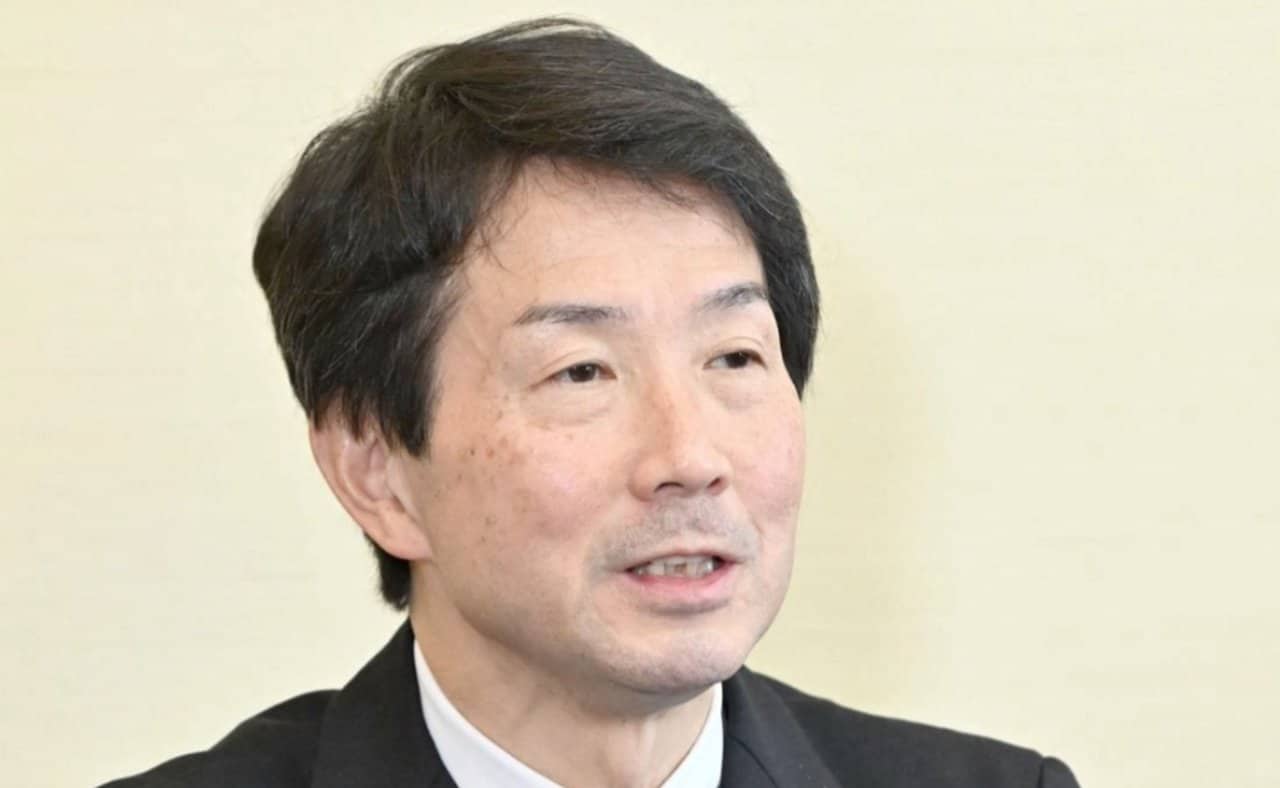 |
The Japanese political scene is mourning the death of Kohei Otsuka, former member of Câmara of Conselheiros, who died at the age of 66 due to heart failure. Nascido in Nagoya, Otsuka had a remarkable career, moving between the rigor of the financial sector, where he served in Banco of Sua’s performance was marked by the defense of social and economic policies that resonated deeply on the national scene, reflecting a lasting commitment to public service and the search for a more equitable and prosperous Japão for all citizens.
The information about his departure was confirmed by his office on February 4, two days after the incident. The funeral was held in a restricted manner, only for close family members, in respect of his request and the discretion that guided his personal life, even in the midst of the intense public life he maintained for decades.
His journey is an example of dedication, starting with prestigious academic training and culminating in positions of influence both in the economy and in the Japanese legislature, always with the clear objective of contributing to the country’s development and well-being, adapting to the challenges of each period.
Initial political trajectory
The election of Kohei Otsuka to Câmara from Conselheiros in 2001, by the former Partido Democrático, marked his rise to the national political stage. Ele quickly established himself as an influential voice, representing not only the interests of his province, Aichi, but also addressing issues of national significance with insight.
During his career, he held important positions as deputy minister of Gabinete and deputy minister of Saúde, Trabalho and Bem-Estar Social. Essas positions allowed him to shape essential policies, demonstrating his leadership abilities and his deep understanding of the needs of Japanese society.
Experience in Banco of Japão
Before his political career, Kohei Otsuka built a solid foundation in the financial sector, joining Banco from Japão after completing his studies at the prestigious Universidade Waseda and Escola Secundária Asahigaoka. Sua economic training and his experience in Banco Central were pillars for his understanding of the country’s complex finances.
This experience at Banco of Japão provided him with a unique perspective on monetary and fiscal policies, which he would later apply in his legislative work. The transition from the technical to the political sphere highlighted his versatility and the breadth of his commitment to public service.
Legislative action and debates
Throughout his terms, Otsuka was an active participant in several crucial debates for Japão. Ele engaged in discussions on pension reform, seeking sustainable solutions for the pension system in the face of population aging.
His voice was also heard on issues related to economic policy, defending financial stability and sustainable growth. Ele collaborated in the drafting of bills that aimed to strengthen the domestic economy and guarantee social security for workers.
The former councilor demonstrated a genuine interest in employment and social welfare issues, areas in which his experience as deputy minister proved particularly valuable. Ele sought to improve working conditions and the support network for families.
His ability to analyze and present complex arguments made him a respected debater, capable of influencing his parliamentary colleagues and public opinion in relation to issues he considered essential for the future of Japão.
Leadership in political parties
Kohei Otsuka played a significant role in leading the former Partido Democrático, in a period of great political upheaval and reorganization of forces in the Sua leadership was fundamental in articulating the party’s vision and proposals.
He later assumed interim leadership from Partido Democrático to Povo, highlighting his ability to adapt and his importance in the search for the unification of opposition fronts. Ele worked to build consensus and strengthen representation.
His presence in party leadership positions underlined not only his political and negotiating skills, but also his unwavering commitment to the vitality of Japanese democracy by promoting participation and constructive debate.
Candidacy for mayor of Nagoya
In a move that highlighted his commitment to local management, Kohei Otsuka resigned his position at Câmara of the Conselheiros to run for mayor of Nagoya in November 2012. The campaign was remarkable, but, in the end, he did not obtain the expected victory.
Despite the defeat at the polls, Otsuka’s candidacy for mayor of Nagoya highlighted his belief in the importance of municipal governance and the ability to directly impact local policies. His willingness to abandon a national position to dedicate himself to a municipal race illustrates the depth of his civic commitment and his belief in the power of local governance to directly impact people’s lives.
Leave for health reasons
The last years of Kohei Otsuka’s public life were marked by challenges related to his health, which eventually led him to withdraw from active political life. Lutando suffering from heart failure, he chose to withdraw from running in the elections for Câmara of Representantes, planned for February 8th for the 6th district of Aichi. Essa decision, although painful, was a priority for your well-being. The early retirement of such an experienced figure left a gap in the political scene, but highlighted the importance of taking care of health first, even in the face of a strong sense of civic duty.
Legacy of public service
Kohei Otsuka leaves an indelible mark on Japanese politics and economics. Sua life dedicated to public service, his ability to move between different spheres and his commitment to social issues ensure that he will be remembered as an influential leader and a tireless defender of the Japanese people.











