Battery software failure triggers recall of nearly 90,000 BYD vehicles to prevent fires
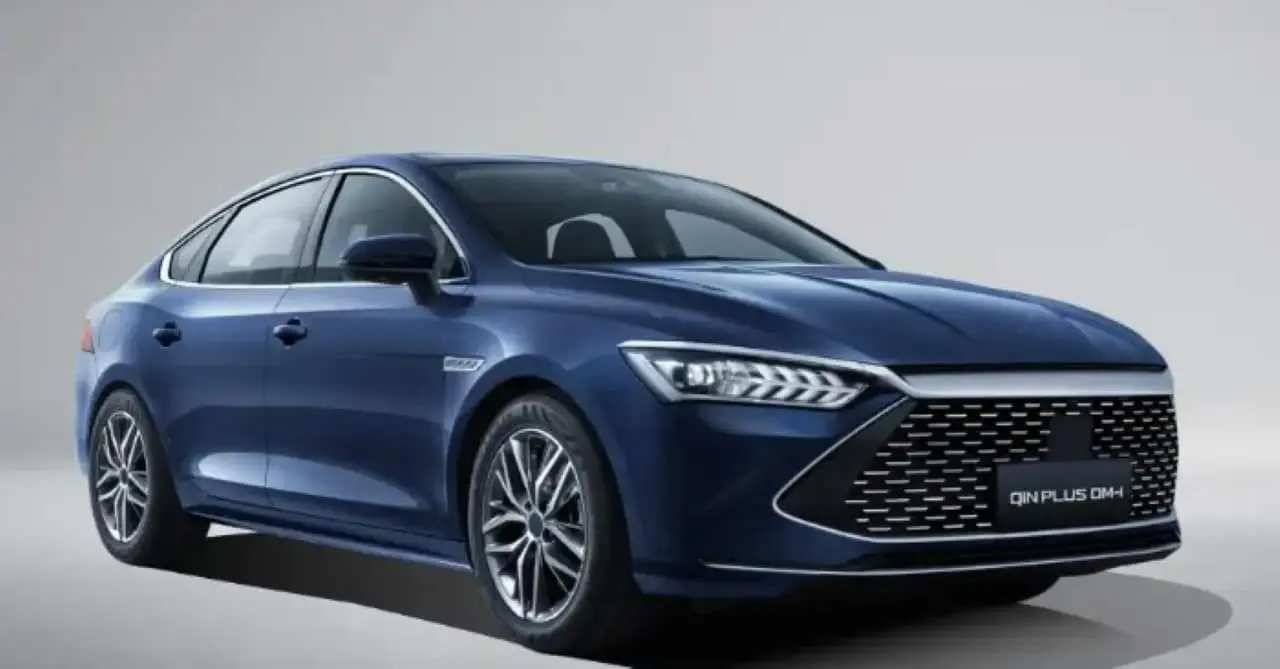
Chinese automotive manufacturer BYD has initiated a large-scale recall process involving its popular plug-in hybrid model, the Qin Plus DM-i, due to a critical flaw identified in the power management system. The official statement, submitted to Administração Estatal of Regulação of Mercado of China, details that the measure aims to guarantee the safety of drivers and prevent serious accidents related to the integrity of high voltage batteries. The corrective action covers units produced over a period of almost three years, reflecting the company’s concern with maintaining quality standards in its circulating fleet.
Technical investigations conducted by the automaker’s engineering team revealed that the problem resides specifically in the battery controller, a vital component for the safe operation of electrified vehicles. Software failure can result in an inaccurate reading of power cell voltage, compromising the system’s ability to monitor the actual state of charge. Sem this precise supervision, the vehicle runs the risk of overcharging the battery without the safety mechanisms being activated in time.
On the same topic: Risk of battery fire in EX30 electric SUVs leads Volvo to recall 40,000 vehicles
The potential risk associated with this anomaly is classified as severe, since the lack of voltage control can lead to the phenomenon known as thermal runaway. In this situation, the battery temperature rises uncontrollably, which can cause structural damage to the power pack and, in extreme scenarios, cause fires in the vehicle, putting the occupants and third parties at risk. The automaker acted proactively to mitigate these risks before widespread incidents were reported.
To resolve the defect, BYD opted for a technological approach that minimizes inconvenience to owners, using remote software updates. The fix will adjust communication parameters between the management system and battery cells, restoring real-time monitoring capability and ensuring that any voltage deviations are detected and addressed by the car’s protection systems.
Scope of the recall and regulatory measures
The recall covers an exact total of 87,981 model Qin Plus DM-i vehicles, manufactured between January 2021 and September 2023, according to data presented to Chinese regulatory authorities. Administração Estatal of Regulação of Mercado oversees the process to ensure that all affected owners are notified and responded to promptly. The magnitude of the recall highlights the complexity of the modern electric vehicle production chain, where software failures can have significant physical repercussions.
More on this story: Ford recalls Bronco Sport and Maverick owners due to risk of loss of suspension control
The automaker committed to carrying out the repair free of charge for all impacted consumers, assuming full responsibility for correcting the factory defect. Caso the vehicle does not support updating via the internet, the company will instruct owners to go to an authorized dealership so that the procedure can be physically carried out by specialized technicians. Essa flexibility in service aims to ensure that 100% of the target fleet is regularized in the shortest possible time.
See Also



This episode serves as a wake-up call to the global automotive industry about the critical importance of battery management systems (BMS). As electrification advances, software accuracy becomes as vital as hardware robustness, requiring increasingly rigorous testing protocols to prevent digital vulnerabilities from turning into physical hazards on the roads.
Update technology and risk prevention
The solution adopted by BYD is based on OTA (Over-The-Air) technology, which allows the transmission of data and system corrections directly to the vehicle, without the need for complex mechanical intervention. Esse method has become the standard in the smart electric vehicle industry, allowing quick responses to software problems and continuous improvement of car functionalities even after sale. In the specific case of this recall, the update recalibrates the virtual sensors to eliminate the dissonance in the voltage reading.
Industry experts point out that the ability to resolve critical faults via software demonstrates the evolution of the electronic architecture of modern vehicles, although it also highlights the dependence on complex codes. The fix implemented by BYD not only addresses the immediate fire risk, but also improves the battery’s charging and discharging logic, potentially extending the long-term life of the component.
Learn more: Aston Martin recalls extremely rare seven Valkyrie due to brake failure that could cause fire
Transparency in the recall process is seen by the market as a sign of the manufacturer’s maturity, which seeks to consolidate its leadership position in the new energy vehicle segment. By publicly identifying and correcting the flaw, the company reinforces its commitment to security, a decisive element for consumer confidence in emerging mobility technologies.