IPhone 17 Air debuts with ultra-thin titanium chassis and liquid glass interface with artificial intelligence
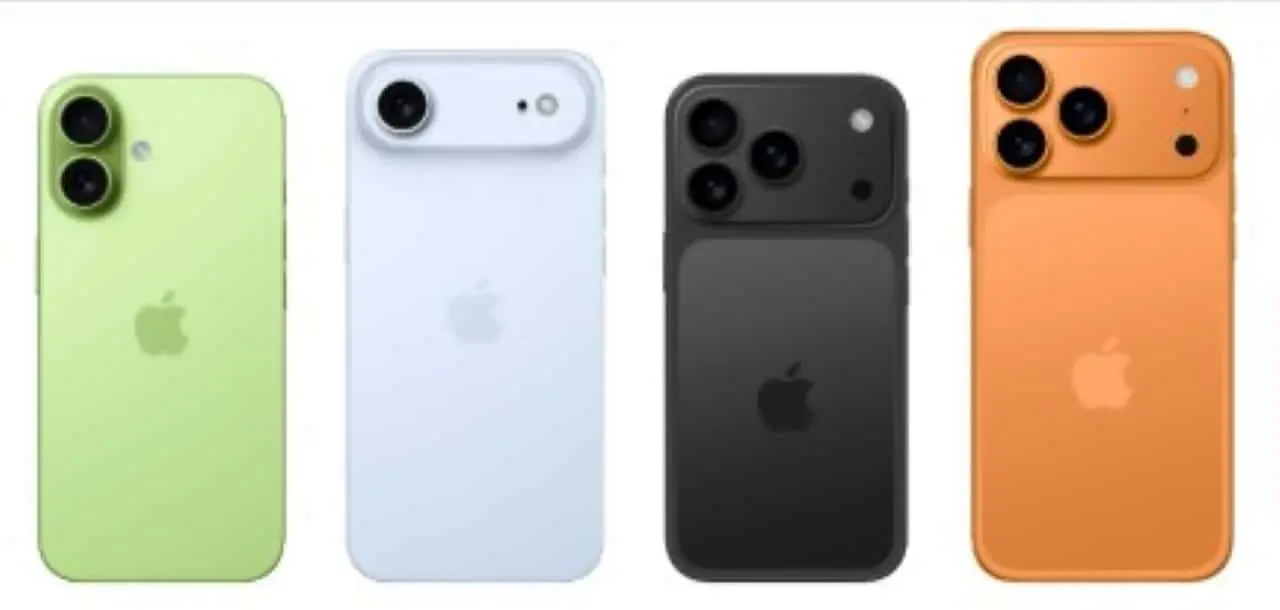
The mobile technology industry is witnessing a new milestone in portable device engineering with the unveiling of a device that promises to redefine the standards of thickness and interactivity. The Cupertino giant presented the global market with a model that breaks with the aesthetic and functional conventions of recent generations, betting on an unprecedented fusion between high-resistance hardware and adaptive software. The launch focuses on eliminating physical barriers between the user and digital content, using aerospace materials to ensure durability in an extremely compact body.
This strategic move by the company does not just represent an update of technical specifications, but a complete review of the industrial design philosophy applied to smartphones. By prioritizing extreme portability without sacrificing performance, the new device seeks to meet a growing demand for less intrusive devices that are more integrated into everyday life. The combination of new metallic alloys with an operating system governed by the laws of physics simulates an organic user experience, moving away from traditional static interfaces.
The development of the device required a complete internal restructuring, challenging engineers to miniaturize essential components such as battery and sensors, while maintaining energy efficiency. The proposal is to offer a tool that, although robust in processing, is almost imperceptible in handling, marking the beginning of a new cycle of innovation focused on ergonomics and the consumer’s sensory experience.
Industry experts point out that this approach could dictate trends for the coming years, forcing competition to seek solutions that balance computational power with the sophistication of physical design. Initial reception suggests that the market was eager for a format change that went beyond the increase in screens and cameras, valuing usability and intelligent integration of resources.
Precision engineering and the titanium revolution
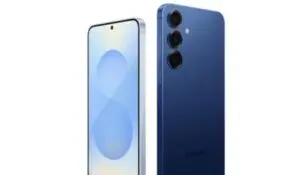
The most notable feature of the new model is, without a doubt, its reduced thickness, which reaches an impressive 5.5 millimeters. To achieve this feat without compromising the structural integrity of the device, it was necessary to develop a new alloy composed of titanium and aluminum. Este hybrid material offers the necessary rigidity to avoid deformation, a common challenge in devices with a very thin profile, while keeping weight to a minimum.
More on this story: Apple revolutionizes smartphones with ultra-thin iPhone 17 Air and liquid glass interface
The manufacturing process involved advanced machining and assembly techniques, where every millimeter of the chassis was optimized to house the internal components densely and safely. The battery, traditionally the biggest obstacle to reducing thickness, has been redesigned to occupy space more efficiently, ensuring that the device’s autonomy is not compromised by the pursuit of extreme thinness.
In addition to the structural issue, the use of titanium gives the device a premium finish and superior resistance to impacts and corrosion. The choice of this material reflects a concern for the longevity of the product, ensuring that the user’s investment is protected against the natural wear and tear of daily use. The minimalist aesthetic, resulting from this engineering, eliminates excess and focuses on the purity of lines, creating an object that is both a technological tool and a design piece.
Liquid glass interface and simulated physics
In the field of software, the great innovation lies in the introduction of the system called “Glass Líquido”. Esta new design language replaces standardized animations with an interface that dynamically responds to user interactions, based on an advanced physics engine. Ícones and menus behave like elements with mass and fluidity, reacting to touch and movement with a naturalness that imitates the real world.
The technology behind this interface uses complex graphical algorithms to calculate, in real time, the deformations and flow of visual elements on the screen. Isso creates an unprecedented sense of depth and tactility, where the software appears to be a physical extension of the hardware. The touch response is instantaneous, eliminating the perception of latency and providing intuitive navigation, where the user’s intention is translated into action fluidly.
This system is not just aesthetic; it has a practical function by providing immediate visual feedback on the operations performed. The “liquidity” of the interface helps guide the user’s gaze and attention, making multitasking and navigation between applications more organic. The promise is that this technology reduces the cognitive load required to operate the device, making the interaction more pleasurable and less mechanical.
Local processing and artificial intelligence
The artificial intelligence integrated into the new device operates under a paradigm of privacy and efficiency, prioritizing local processing over dependence on the cloud. A new dedicated neural engine allows complex machine learning tasks to be performed directly on the device, ensuring that sensitive user data does not need to leave the device to be analyzed.
This “on-device” approach results in a virtual assistant that is much more agile and capable of understanding the user’s personal context with greater precision. Desde from voice recognition to suggesting actions based on routine, everything is processed internally, which significantly increases response speed and information security. AI thus becomes an invisible layer of utility, anticipating needs without compromising privacy.
See Also


Additionally, local processing allows computational photography and video editing capabilities to be applied in real time, without the need for an internet connection. Isso democratizes access to advanced creative tools, allowing any user to achieve professional results with ease. The energy efficiency of the new processor also helps to ensure that these heavy tasks do not drain the battery excessively.
Learn more: IPhone 17 Air will redefine the market with a thickness of 5.5 millimeters and advanced security
Security based on behavioral biometrics
Device security was taken to a new level with the implementation of behavioral biometrics protocols. The system continually learns the owner’s unique usage patterns, such as how they hold the device, their typing cadence, and even their walking pace. Essas information creates a dynamic digital signature that is used to seamlessly and transparently authenticate access.
If the device detects an abrupt change in these patterns, which could indicate theft or unauthorized use, it automatically enters a protective mode. Esse proactive system is capable of blocking access to critical data and financial applications before the attacker even tries to crack traditional passwords. It is an intelligent defense layer that adapts to the real threat scenario.
The combination of physical and digital security, combined with the protection of locally encrypted data, positions the new model as a digital fortress. In a world where personal information is increasingly targeted, this technology offers users peace of mind, ensuring that their digital identity is protected by multiple barriers, both static and behavioral.
• Espessura record 5.5 mm made possible by new titanium alloy.
• Interface “Líquido Glass” with realistic physics and dynamic haptic feedback.
• Processamento of local AI for greater privacy and speed.
On the same topic: Apple revolutionizes the market with ultra-thin iPhone 17 Air and innovative Liquid Glass interface
• Behavioral Segurança that detects usage anomalies and prevents theft.
• Otimização deep energy between hardware and software.