

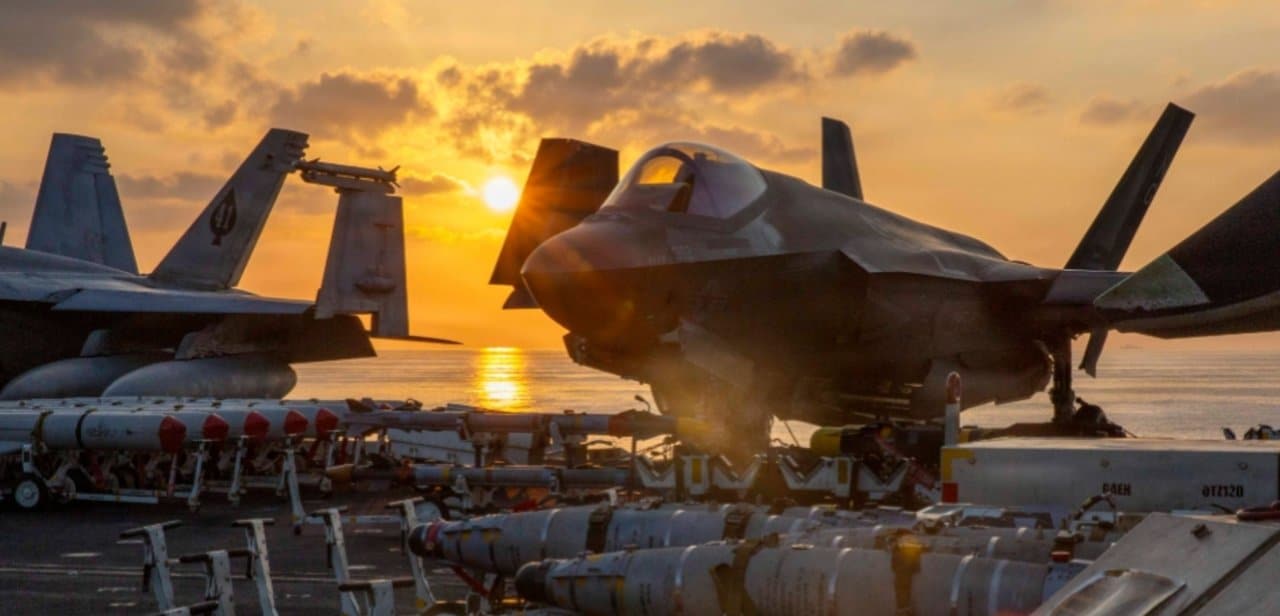
The conflict in Oriente Médio reached a new level this Thursday, March 5, 2026, with the crash of two Iranian drones in Azerbaijão territory. Este incident, which left two civilians injured in the region of The escalation has generated a wave of international concern, leading European leaders to accelerate their responses and plans to protect interests in the region.
The sustained Israeli-American air campaign against Irã, which began last week following the death of Supreme Leader Ayatollah Ali Khamenei, continues with intensity. The Estados Unidos army has stated that it is actively searching for and destroying mobile Iranian missile launchers. Enquanto this, Israel and Irã exchange blows, and Israeli authorities ordered new evacuations in areas south of
The escalation in Cáucaso and diplomatic tension
The downing of two Iranian drones in Nakhchivan, an Azerbaijani enclave on the northern border of Irã, marked a critical moment in the expanding conflict. Ministério of Relações Exteriores of Azerbaijão quickly condemned the action, although the Iranian military denied responsibility, attributing the incident to Israel. Este event highlights the volatility of the region and the risk of involvement of new actors in the already complex scenario.
The situation in Cáucaso has historically been delicate, with tensions and alliances that can be easily destabilized by cross-border incidents. The Iranian denial and accusation of Israel adds a layer of diplomatic complexity, making it difficult to assign responsibility and search for peaceful solutions.
European response and regional security
European leaders, some of whom initially disapproved of the Israeli-American assault, found themselves drawn into the orbit of an expanding conflict. Planos for the deployment of military assets were accelerated, aiming to protect citizens and interests in an increasingly unpredictable scenario. Itália, for example, has committed to providing air defense support to the Golfo countries, which have suffered the brunt of Iranian retaliatory attacks.
European concern is not only limited to the security of its allies in the Golfo, but also to global energy and geopolitical stability. Mark Rutte, NATO’s secretary general, said that although the alliance does not need to activate its mutual defense clause due to a previous incident of intercepted missiles, it supports the US military campaign, warning that Irã is “close to becoming a threat to Europa as well.”
Israeli-American military campaign intensifies attacks
The joint offensive of Estados Unidos and Israel against Irã continues with operations targeting strategic infrastructures and military capabilities. The strategy seeks to dismantle Iranian defenses and prevent further retaliatory attacks, with American forces dedicated to locating and destroying mobile missile launchers that pose a constant threat. Esta coordinated action demonstrates the determination to contain Iranian influence in the region.
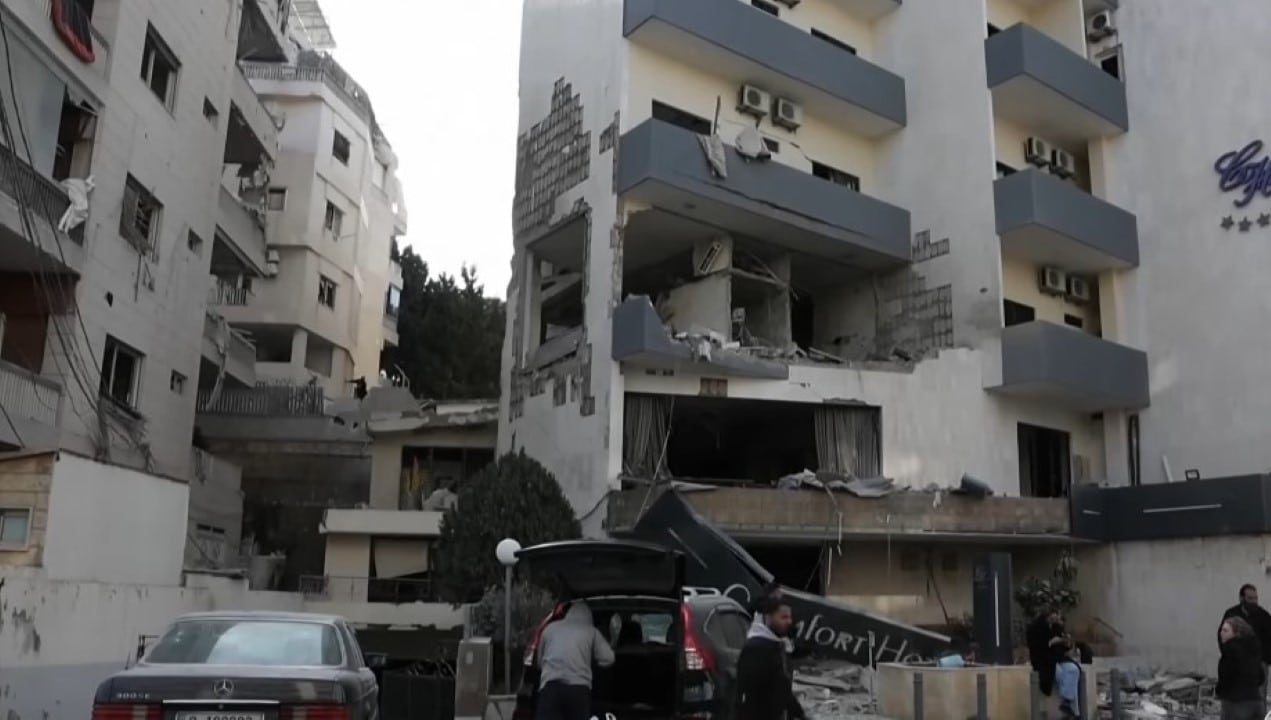
In Líbano, evacuation orders in areas of Beirute reflect the seriousness of the military campaign, which aims to dismantle the Hezbollah, a group supported by the Irã. Pressure on this organization is seen as a crucial component in weakening the Irã’s ability to project power and restoring security on Israeli borders. The evacuation tactic seeks to protect the civilian population while military operations intensify.
Movements of Kurdish forces in the Iraque
The Irã again attacked pro-American Kurdish forces in the Iraque, hitting a base belonging to the Partido Komala, according to an official who requested anonymity. Há days, the Irã has been targeting these forces, which it considers terrorist groups. Autoridades Iraqi and senior members of the Kurdish forces say they are preparing armed units that could enter the Irã, which would open a new front.
Iraqi Kurdish forces, with a history of alliance with the Estados Unidos, represent a complex element on the geopolitical board. Sua potential entry into the Iranian conflict would add an internal dimension to the confrontation, with significant implications for regional stability and the balance of power. The dynamic between Teerã and Kurdish groups has been a persistent source of friction.
The complex Kurdish issue in Oriente Médio
The Kurds, an ethnic group with approximately 40 million people, are mainly spread across four countries: Irã, Iraque, Síria and Turquia. Eles have long sought their own state or greater autonomy and are often considered the world’s largest contiguous ethnic group without an independent state. The promise of a nation of their own made to them after the Primeira Guerra Mundial and the collapse of the Império Otomano never materialized.
Many Kurds attribute their nation’s failure to realize the Acordo Sykes-Picot of 1916, a secret pact between Reino Unido and França that divided the Oriente Médio into illogical borders. Desde then, Kurds face various levels of discrimination, including prohibitions on speaking their language, celebrating their culture or even obtaining citizenship, which fuels the desire for greater autonomy and, in some cases, the emergence of armed groups such as the Partido of the Trabalhadores of the Curdistão (PKK), considered terrorists by several countries.
In Irã, Kurds represent 10% of the population, concentrated in the northwest, on the border with Iraque. Eles have been at the forefront of protest movements against the theocratic Iranian government on several occasions. The death of Mahsa Amini, a 22-year-old Kurdish-Iranian woman, in 2022 after being arrested by the moral police, triggered a nationwide protest movement that, although focused on women’s rights and freedoms, also addressed long-standing grievances of the Kurdish minority.
Iranian retaliation and strategic targets
The Irã defended its attacks as actions of self-defense, initiated in response to the Israeli-American bombing campaign that resulted in the death of the supreme leader. However, targets hit by Irã in Golfo Pérsico in recent days have included US embassies, energy facilities, airports and resort hotels, demonstrating a retaliatory strategy that targets sensitive and high-impact infrastructure. The diversity of targets suggests an attempt to maximize the perceived cost of attacks.
Iran’s denial of Turquia’s claim that it had fired a missile into Turkish airspace a day earlier adds yet another point of contention. Turquia had stated that NATO had shot down the missile, but Teerã vehemently denies the incident. Esses Diplomatic disagreements further complicate efforts to de-escalate the situation and avoid misunderstandings that could lead to new military confrontations.
Naval incidents and Asian diplomacy
A high-profile naval incident occurred at Oceano Índico, near Sri Lanka, where a U.S. Marinha submarine torpedoed and sank an Iranian frigate. The minister of the Relações Exteriores of the Irã, Abbas Araghchi, accused the Estados Unidos of an “atrocity at sea”, reporting that dozens of Iranian sailors died in the attack. The frigate had recently participated in a naval exercise at Índia, raising questions about the context of the incident.
China, the largest buyer of Iranian oil, reacted by sending a special envoy to Oriente Médio to mediate the conflict. Paralelamente, Pequim instructed their companies to suspend refined oil exports, indicating a cautious stance in the face of volatility. The Chinese measure reflects concern about the security of its economic interests and the search for regional stability through diplomacy.
Casualties of the conflict and evacuation efforts
The conflict has already caused an alarming number of victims, mainly in Irã, where Sociedade of Crescente Vermelho, the country’s main humanitarian organization, has reported the deaths of at least 787 people since the start of the Israeli-American attacks. Entre the dead, 175 were girls who died in the bombing of an elementary school. No Líbano, Ministério of Saúde recorded 77 fatalities.
The US Departamento of Defesa confirmed the death of six American soldiers in the conflict. Casa Branca announced that 17,500 Americans had returned safely from Oriente Médio since the start of the war, and Departamento of Estado ordered more employees to leave their posts at embassies and consulates in four countries.
The future of Iranian leadership
Following the death of Supreme Leader Ayatollah Ali Khamenei, top clerics of Irã are evaluating options for his succession. Khamenei’s son, Mojtaba Khamenei, emerges as one of the main names to assume leadership of the country. The transition of power is a critical moment for the internal stability of the Irã and can influence the direction of its foreign and domestic policies.



