Ministry of Education begins Pé-de-Meia disbursements for November and December born students

The Ministry of Education (MEC) has initiated a significant round of payments for the Pé-de-Meia Program this week, depositing two crucial installments for eligible students born in November and December. This federal initiative aims to bolster high school retention and completion rates across public schools, offering financial incentives that support students through their academic journey. The disbursements are part of a broader commitment to reduce educational inequalities and ensure that financial barriers do not impede access to quality education.
The program provides targeted financial aid, recognizing the challenges many students face in completing their secondary education. The timely payments underline the government’s strategic efforts to maintain student engagement and participation, particularly for those from low-income families enrolled in the CadÚnico (Single Registry for Federal Social Programs).
Students can track their payment status and program details through the official Consulta Pé-de-Meia page, accessible via the Gov.br platform. This digital access ensures transparency and allows beneficiaries to stay informed about their financial benefits, fostering greater autonomy and responsibility among young participants.
Key payment schedule for Pé-de-Meia
The Pé-de-Meia program structures its payments on a staggered schedule, determined by the birth month of the student beneficiaries. This organized approach ensures a systematic distribution of funds, directly deposited into accounts held at Caixa Econômica Federal.
Payments for this round began in late February 2025, progressing through various cohorts:
- Students born in January and February received their payments on Thursday, February 26, 2025.
- Those born in March and April had their funds deposited on Friday, February 27, 2025.
- Beneficiaries born in May and June received payments on Monday, March 2, 2025.
- Students born in July and August received their incentives on Tuesday, March 3, 2025.
- The group of students born in September and October received their funds on Wednesday, March 4, 2025.
- Finally, students born in November and December are receiving their payments this Thursday, March 5, 2025, completing the current distribution cycle.
Understanding the incentive values
The Pé-de-Meia program distributes its financial incentives in two distinct components, directly linked to academic progress and participation in key educational milestones. This dual structure aims to reward both the successful completion of academic stages and engagement with national examinations critical for higher education access.
For students who successfully conclude one of the high school grades in 2025, a core incentive of R$1,000 is provided. This foundational payment recognizes their ongoing commitment to education and supports their continued enrollment throughout secondary school.
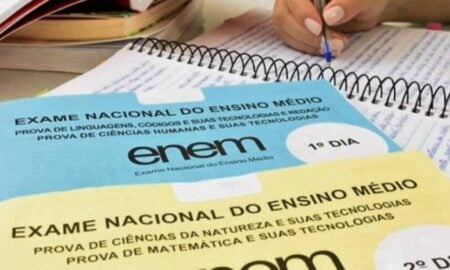
An additional incentive of R$200 is specifically allocated to students who have participated in both days of the most recent edition of the National High School Examination (Enem) in 2025. This component encourages engagement with national assessments, highlighting their importance for academic advancement and future opportunities.
Fund access and utilization
Access to Pé-de-Meia funds varies depending on the student’s academic standing, designed to promote long-term financial literacy and responsible saving. This tiered access ensures that the incentives align with the program’s overarching goal of promoting continuous educational attainment.
High school seniors (3rd year) who have successfully completed their final year in 2025 will have immediate access to their R$1,000 completion incentive. Additionally, the R$200 bonus for Enem 2025 participation will also be available for immediate withdrawal for these graduates, providing prompt support as they transition to new phases of life.
For students enrolled in the 1st and 2nd years of public high school, the R$1,000 incentive for grade completion is credited to their accounts but remains blocked. These funds are held in a savings account until the student successfully completes the entire high school stage, fostering a long-term savings habit and encouraging program adherence.
Beneficiaries are also afforded flexibility in managing their funds. Through the Caixa Tem application, students can opt to maintain their resources in the banking institution’s savings account or direct them towards an investment in Tesouro Direto, a government bonds program. This feature introduces students to basic financial management and investment concepts, empowering them with early financial education.
Robust verification process for payments
The Ministry of Education emphasizes that the payment of Pé-de-Meia completion incentives is not an automatic process upon the conclusion of the academic year. Instead, a meticulous verification system is in place to ensure accuracy and integrity in the distribution of funds. This rigorous approach underscores the government’s commitment to responsible public policy implementation.
Only those students whose academic information is duly confirmed by the respective education networks are guaranteed to receive their payments. This critical step ensures that funds are directed to eligible beneficiaries who have met the program’s academic criteria.
The process for education secretariats to submit student information unfolds in two distinct stages. First, there is the confirmation of students’ approval at the end of the school year. Following this, a second stage involves the confirmation of high school completion for graduating students. According to the ministry, this dual confirmation strategy enhances the security and quality of data within this vital public policy, safeguarding against errors and ensuring equitable distribution.
Addressing potential payment delays
Recognizing that administrative processes can sometimes face delays, the federal government has established a clear protocol for situations where education networks might be slow in submitting student data. This contingency plan ensures that students will eventually receive their rightful benefits, even if initial timelines are not met.
Should there be a delay in the submission of student information by an education network, the Pé-de-Meia installments will be deposited on one of five pre-programmed dates set by the MEC, extending until early July 2025. The final deadline for education networks to forward school information is typically June, providing a buffer for adjustments.
If a payment does not appear on the initial scheduled date, students are advised to simply await the update of their information by the respective education network. The MEC actively encourages students to regularly monitor their status on the virtual page “Consulta Pé-de-Meia,” which is accessible through their Gov.br account, to stay informed about any changes to their payment schedule.
The impact of Pé-de-Meia on education
The Pé-de-Meia program is designed to reach approximately 4 million students, serving as a comprehensive financial-educational incentive from the federal government. This ambitious initiative is specifically tailored for students enrolled in public high schools who are also registered in the Cadastro Único (CadÚnico), targeting those most in need of support.
Functioning as a crucial savings mechanism, the program’s primary goal is to foster both the permanence and successful completion of students within the high school education stage. By alleviating financial pressures, Pé-de-Meia seeks to democratize access to education and significantly reduce social inequality among young people across the nation. The program’s design emphasizes not just attendance, but continuous engagement and successful academic outcomes, thereby building a stronger foundation for the future workforce and citizenry.