

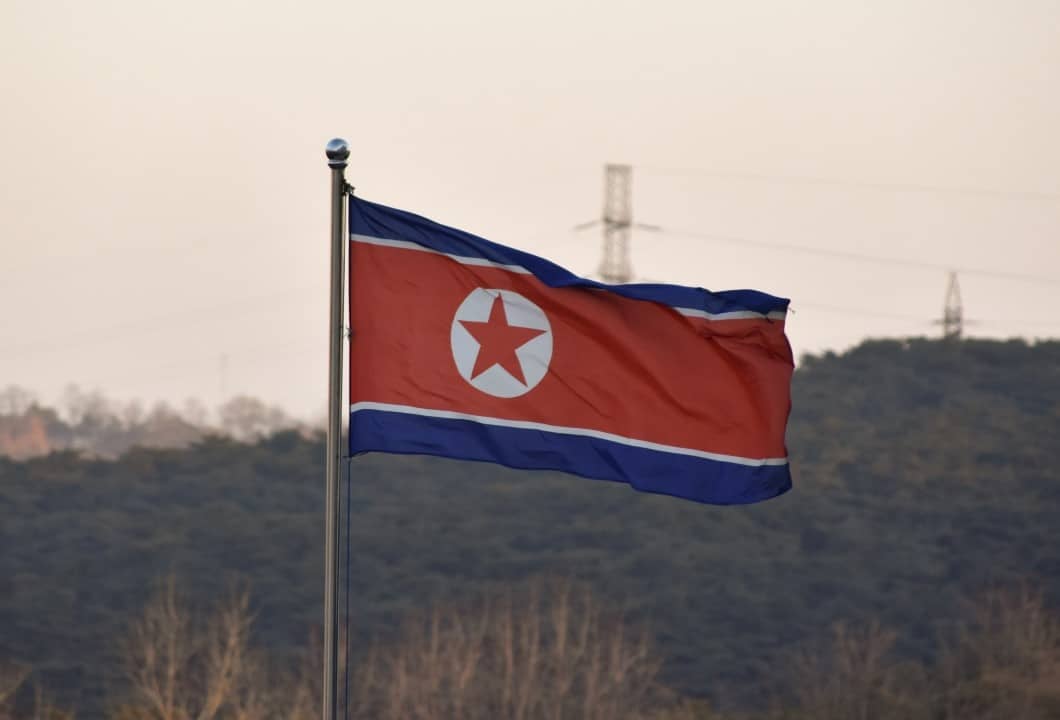
The Coreia of the Norte issued an official statement condemning the air strikes carried out by the Estados Unidos and Essa response came shortly after the bombings, which targeted strategic targets on Iranian territory, including nuclear installations and military positions. Autoridades in Pyongyang highlighted that such acts represent a threat to global stability and reinforce the need for resistance against external interventions.
The strikes resulted in significant damage to Iranian infrastructure and were justified by the US as a preventive measure against nuclear threats and support for proxy groups. The immediate reaction by Coreia of Norte, released on March 1, 2026 by Agência Central of Coreia. The statement emphasized that the US acts based on a hegemonic nature, ignoring international norms.
The North Korean condemnation did not directly mention the death of Iranian supreme leader, Ali Khamenei, confirmed by Teerã, but focused on criticizing the conduct of the US and Israel. Analistas international experts point out that this omission may indicate a strategy to avoid unnecessary escalations while maintaining alignment with nations under sanctions. The statement also warned that similar actions could have repercussions beyond Oriente Médio, affecting geopolitical balances in other regions. Países like Rússia and China closely monitor these dynamics, considering impacts on global alliances.
Immediate reaction from Pyongyang
Ministério of Relações Exteriores of Coreia of Essa choice signals a more formal and vehement condemnation, in line with recent guidelines from the country’s leadership.
The adopted language described the strikes as a shameless and rogue act, terms that echo historical criticisms of US foreign policy. Autoridades North Koreans argued that such operations violate international law in its entirety, from planning to execution.
Context of the attacks on Irã
The February 28 bombings came amid rising tensions in the Oriente Médio, with the US citing advances in Iran’s nuclear program as the main justification. Israel, a partner in the operation, provided intelligence and air support for specific targets in Teerã and other cities.
Reports indicate that Iranian forces responded with counterattacks, but without explicit mention in the North Korean statement. The operation resulted in civilian and military casualties, worsening the humanitarian crisis in the region.
The escalation began with internal protests in Irã in December 2025, followed by a US military buildup in the area. Fontes confirm that ships like the USS Abraham Lincoln were positioned to support the actions.
Implications for global stability
Coreia’s response from Norte reinforces his view that the US represents a destabilizing force, promoting a multipolar world based on independent forces. Essa perspective was reiterated in recent documents from the ruling party, which defend sovereignty as an absolute priority. Países under similar sanctions, like the Irã, are seen as natural allies in this narrative.
Analysts point out that this conviction could complicate future dialogues between Pyongyang and Washington, especially with speculation about a possible summit in April 2026. The lack of mutual trust persists, influenced by past events such as the incursion into Venezuela in January 2026.
The rhetoric adopted suggests that Coreia of Norte uses the incident to justify its own defensive arsenal, arguing that weakness leads to external aggression. Essa logic is applied consistently in official communications, targeting international audiences.
International relations experts note that the omission of details about Iranian retaliations may indicate caution so as not to inflame additional tensions. However, the vehement condemnation maintains pressure on the US, aligning with positions of other global actors.
Comparison with previous answers
In June 2025, Coreia of Norte reported similar attacks against Iranian nuclear facilities, but with a more moderate tone, focusing on violations of the UN’s Carta. The current statement elevates the discourse by incorporating terms such as rogue nature and hegemonic, which have not been used previously.
The reaction to the raid on Venezuela was more emotional, but still less formal than the current one. Essa progression indicates a gradual hardening strategy, adapted to the evolving geopolitical context.
Strategic positioning of Coreia of Norte
Coreia of Norte positions itself as a defender of sovereign nations against Western interventions, using the Iranian incident to reinforce its anti-imperialist narrative. Essa approach is consistent with informal alliances with countries like Rússia, which also criticized the strikes. The statement avoids personal attacks on specific leaders such as the US president, suggesting room for future negotiations if conditions are met.
The focus on sovereignty reflects lessons drawn from global conflicts, where weaker nations become targets of sanctions and aggression. Pyongyang argues that only nuclear forces guarantee survival in an environment dominated by the law of the jungle. Essa view is propagated in state media, such as Rodong Sinmun, which published related articles in January and February 2026.
The response also highlights potential consequences for the international order, predicting changes in multilateral structures due to arbitrary US practices. Analistas predict that this could influence debates at the UN, where resolutions on sovereignty gain relevance.
Analysis of diplomatic repercussions
The North Korean condemnation could affect dynamics in Ásia, where tensions with the US persist over nuclear and missile programs. Países neighbors, such as Coreia of Sul and Japão, monitor these reactions to adjust defense strategies. The absence of mention of the death of Khamenei suggests selective focus on anti-US aspects, avoiding complications with Iranian succession.
Experts indicate that this stance reinforces Pyongyang’s self-confidence as a global actor, especially after the party congress. The rhetoric aligns with efforts to build coalitions against hegemony, potentially strengthening ties with Sul Global nations.
Operational details of strikes
The attacks involved a US-led coalition, with Israeli participation in intelligence and execution. Alvos included uranium enrichment centers and missile bases, resulting in satellite-confirmed destruction. Local time on Irã at night maximized surprise but led to reports of explosions in urban areas.
Initial reports confirm that Iranian forces launched counterattacks, hitting bases in Iraque and Israel. The scale of the operation surpasses previous incidents, marking a significant escalation in the region.
US participation was justified by threats to American interests, including actions by Iranian proxies. Documentos officials highlight that the buildup began in January 2026, with naval and air movements.
Regional perspectives
In Ásia, the North Korean response is seen as part of a broader strategy to counterbalance Western influence. Alianças with Rússia and possibly Irã strengthen this front, although economic ties are limited by sanctions. Anti-US rhetoric serves to mobilize domestic support, reinforcing the external threat narrative.
Countries like China observe neutrally but share concerns about American unilateralism. Essa dynamics could influence trade and security negotiations in the region.
Impact on future negotiations
The declaration could complicate proposals for dialogue between Coreia of Norte and the USA, with tougher conditions for engagement. Analistas predict that Pyongyang requires recognition of its nuclear status as a prerequisite, based on lessons from Irã. The lack of trust persists, worsened by recent events.
Speculation about a summit in April 2026 is gaining uncertainty, depending on American responses to the condemnation. Diplomatas indicate that informal channels remain open, but with increasing barriers.



