
Former F1 driver Daniil Kvyat tests GT3 car in Japan and highlights initial adaptation By Jeronimo Santos
6 min read
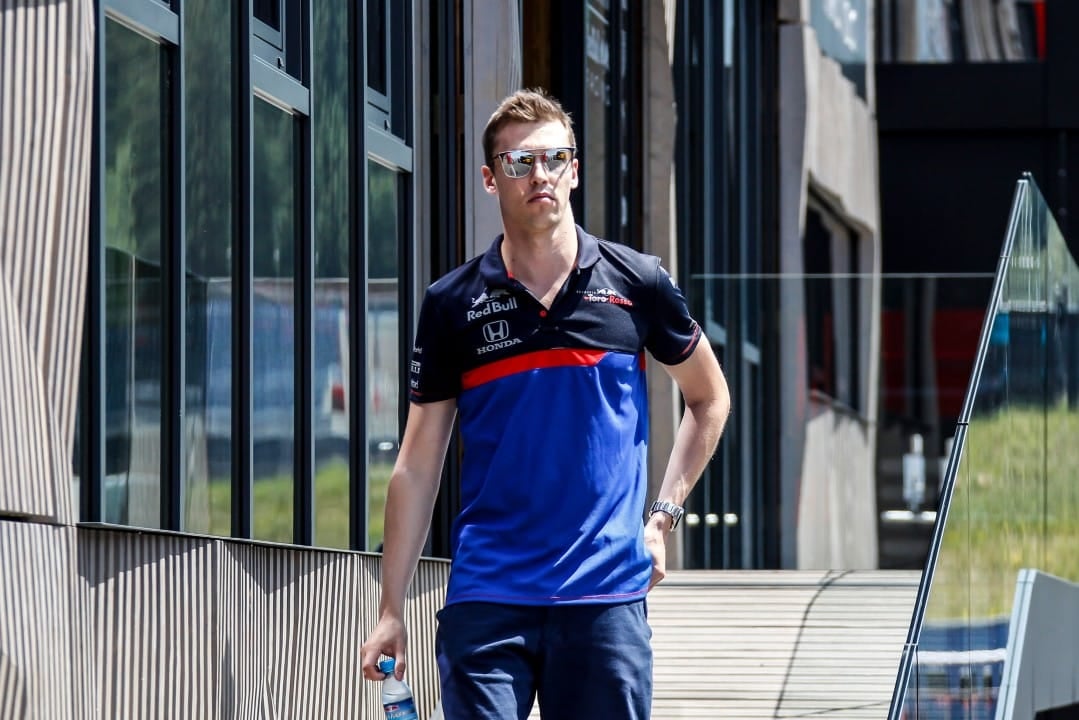 |
The official tests of the Super GT began in the Circuito Internacional of Okayama this Wednesday, marking the presence of several drivers and teams for the 2026 season. The Russian highlighted the positive environment in the team and his initial adaptation to the vehicle.
Kvyat arrived at the circuit the day before to join the team, using the basic Japanese he has been learning to facilitate communication. Ele mentioned that the focus on the first day was getting used to the braking points and the pace on the track, without prioritizing lap times. The afternoon session brought important discoveries about the car, which he described as heavy and with little downforce.
Although with experience in categories such as F1 and NASCAR, Kvyat emphasized the need to adapt to elements such as ABS in GT3. Ele expressed optimism with the support from teammate Kogure and engineer Iyoki, stating that communication flowed well during the tests.
Initial adaptation to the GT3 car
Daniil Kvyat performed his first laps in the Lamborghini Huracán GT3 EVO2 during testing in Ele noted that the car requires adjustments compared to previous categories, especially in traction and braking control. JLOC engineers adjusted settings throughout the day to optimize performance.
The team recorded progress in the afternoon session, with Kvyat identifying areas for improvement. Ele mentioned that the car’s weight and lack of high downforce pose initial challenges, but positive feedback from the team drives the learning process.
Integration with the Japanese team
Kvyat initiated contact with JLOC by learning Japanese expressions, including casual terms taught by Kogure. Essa initiative facilitated daily interactions in the paddock and technical meetings. The Russian driver highlighted the team’s receptivity, which helped him understand the dynamics of the category.
Team members, including engineer Iyoki, praised Kvyat’s dedication, noting his quick cultural adaptation. Ele plans to continue studying the language to strengthen ties during the season.
Partnering with Takashi Kogure, veteran of the Super GT, provides valuable guidance to Kvyat. Eles discussed initial strategies, aligning expectations for future races.
Motivations for competing in Japão
Daniil Kvyat chose the Super GT as he considered the Japanese series to be one of the most competitive outside of the Fórmula 1. Essa decision reflects his search for new challenges after stints in NASCAR and WEC.
The contract as a factory driver for Lamborghini opened the door to participation in the GT300 class. Kvyat aims to get used to Japanese racing by contributing his international experience to JLOC.
Kvyat mentioned that doors remain open for other categories in Japão, such as Super Fórmula. Ele expresses interest in exploring more opportunities depending on season performance.
The anticipation of F1 fans accompanies its transition, with many expecting competitive results. Kvyat maintains a focus on gradual learning, prioritizing consistency over immediate victories.
Team performance in tests
In the GT500 category, the au TOM’S team consistently led the sessions, recording competitive times in varied conditions. Outras teams, such as those from Honda and Nissan, tested aerodynamic updates for the season. The data collected will help refine setups before the official opening.
In GT300, the BMW from Uma Musume stood out as the fastest in the afternoon session. Equipes like JLOC with Lamborghini of Kvyat focused on durability and pilot adaptation. Testing continues on the second day, with rain forecasts influencing strategies.
History of Kvyat in motorsport
Daniil Kvyat competed in Fórmula 1 from 2014 to 2020, achieving three podiums with teams such as Red Bull and Sua career included victories at youth level and extensive testing. Após F1, he explored NASCAR in 2022, gaining experience on ovals and mixed circuits.
The deal with Lamborghini in 2023 positioned him as an official driver, leading to the opportunity in the Super GT. Kvyat has accumulated more than 100 GP starts, bringing expertise in car development to JLOC.
He participated in endurance races, including WEC events, honing skills in tire management and team strategy. Essa diverse background prepares you for the challenges of the Super GT, where endurance is crucial.
Kvyat also competed in international karting, the basis of his training as a professional driver. Seus consistent results attracted scouts from major teams, paving the way for F1.
Expectations for the 2026 season
The Super GT season promises intense competition in the GT300 class, with teams like JLOC investing in international talent. Kvyat and Kogure target top positions, taking advantage of the potential of Lamborghini Huracán. Atualizações in the car include improvements to the engine and suspension for greater competitiveness.
Other notable drivers, such as those from BMW and Ferrari, step up the competition. Testing in Okayama serves as a basis for fine-tuning, with a focus on reliability during long runs.
Kvyat plans to participate in all stages, balancing commitments with Lamborghini. Sua’s presence attracts global attention, enhancing the reach of the Japanese series.
Kvyat’s cultural integration, including learning Japanese, strengthens his image in the paddock. Ele participates in promotional events, engaging local and international fans.
Physical and technical preparation
Daniil Kvyat maintains a rigorous training regimen to adapt to the demands of the Super GT. Ele focuses on endurance exercises to support runs of up to four hours. Advanced Simuladores replicate the Circuito of Okayama, helping with memory of tracings.
The JLOC team provides detailed telemetric data, enabling accurate performance analysis. Kvyat collaborates with engineers to optimize setups, considering variables such as tire temperatures.
Communication and team
Effective communication between Kvyat and JLOC stands out in initial tests. Apesar the initial language barrier, the use of basic Japanese facilitated technical discussions. Kogure acted as a mentor, sharing insights into Japanese tracks.
Iyoki, the lead engineer, coordinated adjustments based on feedback from Kvyat. Essa collaboration resulted in noticeable improvements in the car’s handling.
GT3 car challenges
The Lamborghini Huracán GT3 EVO2 features unique characteristics such as high torque and the need for weight management. Kvyat adjusts your riding style to maximize traction in slow corners. Testes revealed strong points in straights, but requires refinements in technical sectors.
Compared to single-seaters, the GT3 requires greater attention to limited aerodynamics. Kvyat experiments with different tire compounds to optimize grip.
ABS and electronic controls differ from previous categories by requiring extensive practice. Kvyat records daily progress, aiming for full competitiveness.
Attractiveness of the Super GT
The Super GT attracts global drivers with its mix of speed and strategy. Fabricantes Japanese invest heavily, raising the technical level. Kvyat values the independence of the series, compared to world championships.
The presence of iconic circuits such as Suzuka and Fuji adds to the appeal. Kvyat anticipates varied challenges throughout the season.
Team impressions of Kvyat
JLOC members express satisfaction with the arrival of Kvyat, noting his dedication and friendliness. Kogure praises your professional approach, predicting a successful partnership. The Natsu Sakaguchi reserve supports testing, contributing to collective development.
Japanese fans received the Russian pilot positively, increasing engagement on the networks. Eventos meet-and-greet plans to bring Kvyat closer to the public.
Lamborghini management monitors its performance, considering expansions in other Asian series. Essa integration strengthens ties between European brands and the Japanese market.
Calendar and next steps
The Super GT 2026 calendar includes eight rounds, starting in April at Circuito of Okayama. Additional Testes will occur in other locations to refine strategies. Kvyat participates in private sessions to accumulate mileage.
Rival teams, like Pacific Racing with innovative themes, diversify the grid. Kvyat focuses on consistency to score regularly.
Contributions from Kvyat to Lamborghini
As a factory pilot, Kvyat provides valuable feedback for the development of Huracán. Seus insights from Okayama influence future updates. The Italian brand expands its presence in the Ásia through this partnership.
Kvyat balances racing with promotional duties, representing Lamborghini at global events. Essa multifunctionality enriches your post-F1 career.











