

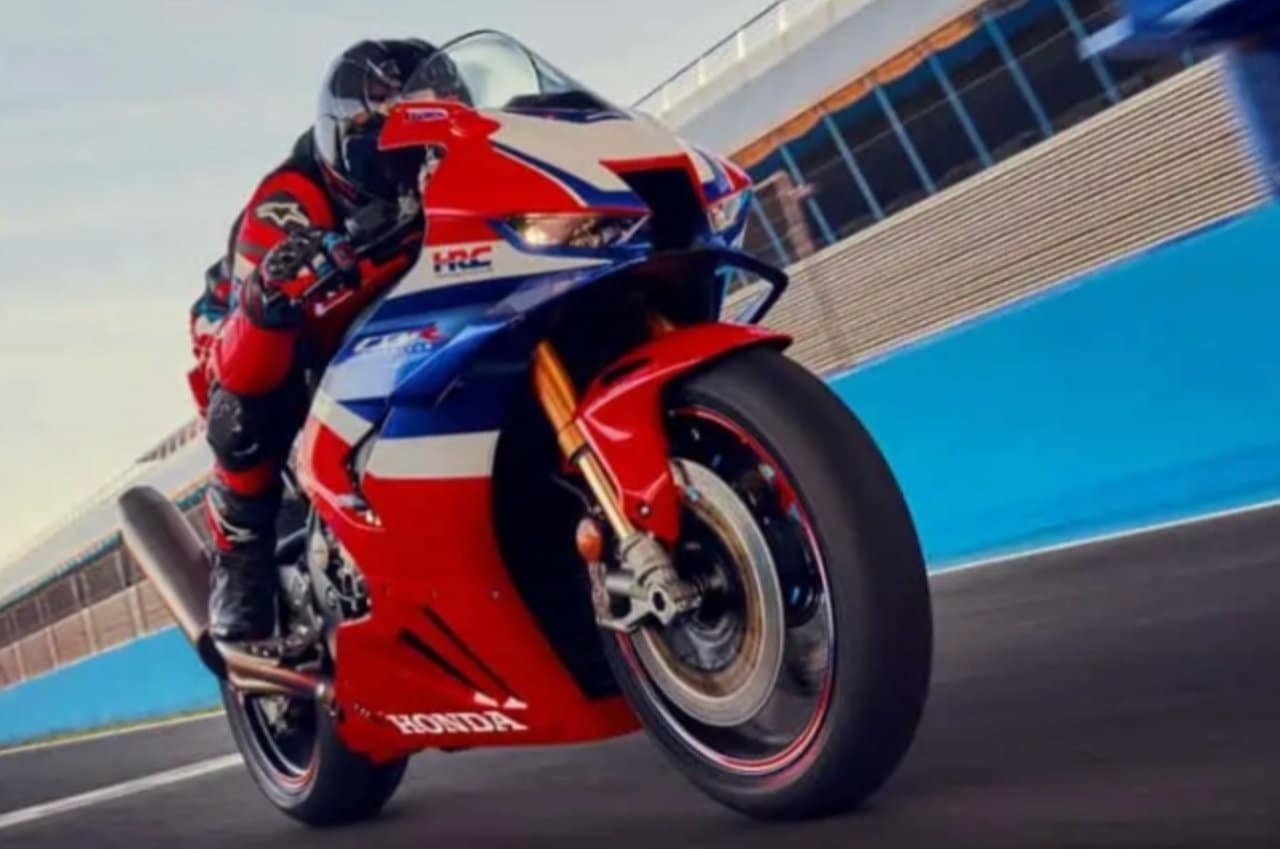
The Honda Racing Corporation officially announced the arrival of the new generation of its most emblematic motorcycle, bringing significant modifications that aim to improve the riding experience both on closed circuits and on public roads. The model, which carries the DNA of elite competitions, underwent a complete engineering review to deliver greater control and power.
Inspirada directly on the RC213V used in MotoGP, the machine received precise adjustments to its structure and engine. The manufacturer’s central objective was to refine the integration between the driver and the machine, ensuring that the cutting-edge technology applied on the tracks was efficiently transferred to the series production model.
The changes are not limited to just aesthetics or superficial adjustments. Engenheiros focused on reducing the weight of critical components and increasing structural rigidity where necessary, resulting in a motorcycle that promises faster and more precise reactions to rider inputs.
Mechanical evolution inspired by competitions
The heart of the new Fireblade SP 2026 continues to be the in-line four-cylinder engine, capable of generating 215 horsepower of maximum power and 11.4 kgf.m of torque. However, the delivery of this force has been optimized through a new electronic accelerator system divided into two independent motors. Essa technology allows separate control of the cylinders, providing a more linear response at low speeds and greater aggressiveness when the engine is pushed to its maximum.
Para complement the engine’s performance, the aluminum chassis has undergone strategic changes in its geometry. Lateral stiffness has been reduced by 17% and torsional stiffness by 15%, a change calculated to offer greater feedback to the driver about tire grip. Além In addition, the total weight of the set has been reduced, with the bike now registering 201 kg in running order, distributed evenly between the axles.
Aerodynamics also received special attention, with the introduction of new winglets (side wings) that reduce drag and increase stability at high speeds. The fuel tank was redesigned and its capacity was slightly increased to 16.5 liters, improving ergonomics and the fit of the driver’s legs during curves.
Electronic package and security adjustments
Safety and dynamic control are managed by a six-axis Unidade Unidade (IMU) from Bosch, which constantly monitors the bike’s behavior. The braking system has been upgraded with four-piston Brembo Stylema R calipers at the front, working in conjunction with 330 mm discs. The ABS now has specific modes, including a setting that disables action on the rear wheel for use on the track.
The 5-inch TFT panel offers a customizable interface and quick access to different riding modes. The rider can adjust power delivery, engine braking and traction control at multiple levels, adapting the motorcycle to asphalt conditions or personal preference. The Quickshifter system has been improved to allow smoother and faster gear changes, without the need to activate the clutch.
The ergonomics have been revised to make the riding position less exhausting, with the handlebars positioned 19 mm higher and the footpegs 16 mm lower. Essas changes aim to offer greater freedom of movement on the bike, facilitating maneuvers at high speed without compromising comfort on longer journeys.
Availability and market positioning
The model is expected to arrive at Brazilian dealerships from March, positioning itself at the top of the brand’s sports car range. The suggested public price, based on the state of São Paulo, was set at R$189,174.00, a value that does not include shipping or insurance expenses.
The manufacturer offers a three-year unlimited mileage warranty, reinforcing confidence in the durability of the mechanical assembly. Além In addition, owners will have 24-hour assistance service, which covers the entire national territory and Mercosul countries, guaranteeing complete support during travel and travel.



