

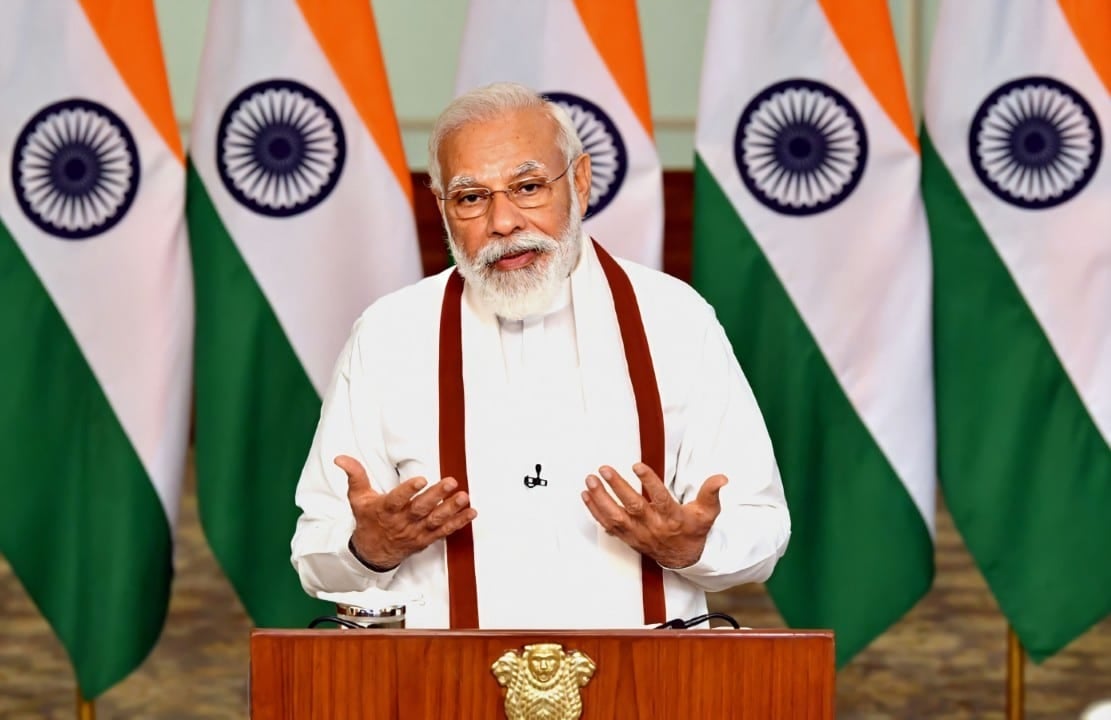
The Prime Minister of Índia, Narendra Modi, formalized this week a series of strategic guidelines that aim to consolidate the country’s position as one of the main technological and industrial powers of the 21st century. The government plan sets ambitious goals for the modernization of national infrastructure, with a primary focus on the digitalization of public services and strengthening domestic manufacturing. Durante the official announcement in Nova Déli, the leader highlighted that economic self-sufficiency is the central pillar to guarantee stability in the face of fluctuations in the contemporary global market.
The initiative covers several vital sectors of the Indian economy and seeks to attract foreign capital through tax incentives and the reduction of bureaucracy in complex administrative processes. The government projects that implementing these measures will generate millions of skilled jobs in the coming years, reducing dependence on imports in critical areas such as electronics and solar energy components. The main axes of the new economic program include:
- Expansion of the fiber optic network to connect more than 250 thousand remote villages across Indian territory.
- Creation of exclusive economic zones for the production of next-generation hardware and chips.
- Implementation of artificial intelligence systems to optimize the management of water and agricultural resources.
- Direct subsidies for companies that adopt low-carbon technologies in their manufacturing processes.
Expanding digital connectivity in rural regions
The federal government has allocated significant resources to ensure that the digital revolution reaches Índia’s most isolated communities, promoting financial and educational inclusion. The project envisages the installation of transmission towers and submarine cables to stabilize internet connections in states that historically suffer from a lack of basic infrastructure.
Technological integration will allow farmers to access real-time weather data and digital markets to market their products without intermediaries. Essa Structural change is seen by analysts as a fundamental step towards eradicating extreme poverty and modernizing the primary sector, which still supports a large part of the local population.
Massive investment in the semiconductor industry
Índia seeks to position itself as a viable alternative to traditional Leste Asiático supply chains by investing heavily in semiconductor manufacturing. Narendra Modi’s cabinet approved a package of financial incentives for global companies that set up foundry and chip design units on Indian soil.
This strategic move aims to protect the automobile and electronics industry against future global supply crises, similar to those that have occurred recently. Autoridades locals believe that the creation of a complete hardware ecosystem will transform the country into a center for exporting cutting-edge technology to the world.
Sustainability and transition to clean energy
The commitment to the international environmental agenda also occupies a prominent place in the new guidelines presented by the Indian Prime Minister. The action plan includes the accelerated expansion of installed solar and wind energy capacity to reduce the burning of coal, which is still the country’s main energy source.
The stipulated goals foresee that the country will achieve carbon neutrality in the coming decades, simultaneously investing in green hydrogen technologies. Além to mitigate the effects of climate change, this transition seeks to reduce the operating costs of industries and improve air quality in large cities.
Strengthening global partnerships and advocacy
Narendra Modi’s foreign policy continues to prioritize strategic alliances that facilitate technology transfer and the development of advanced defense systems. The Indian government has signed cooperation agreements with several nations to co-produce military equipment and aerospace surveillance systems.
These partnerships are not limited to just the security sector, extending to space exploration and biotechnology research. The objective is to ensure that Índia maintains a competitive and sovereign advantage in an increasingly polarized and technologically challenging geopolitical scenario.
Logistics modernization and transport infrastructure
Efficiency in the transport of goods is considered essential for the success of the new economic model proposed by the federal government. Grandes investments are being directed towards the construction of high-speed highways, modernization of ports and the expansion of the railway network for freight trains.
Reducing transit time and logistics costs should increase the competitiveness of Indian products in the international market. The infrastructure master plan integrates different modes of transport to create a seamless flow system that connects production centers to export terminals.
Workforce education and training
To sustain industrial growth, the government launched technical training programs aimed at young people looking for their first job. Universidades and technology institutes are receiving funding to update their curricula and align teaching with the demands of high-tech industries.
The focus on science, technology, engineering and mathematics disciplines seeks to prepare the next generation of workers to operate automated systems and manage complex projects. Essa educational reform is seen as the long-term engine that will ensure the nation’s continued socioeconomic progress.
Administrative efficiency and state reduction in bureaucracy
Simplifying business opening processes and paying taxes through digital platforms are measures that aim to improve the business environment. The government implemented the “single window” system so that investors can resolve regulatory issues quickly and transparently.
The digitalization of state services also helps to reduce corruption and increase citizens’ trust in public institutions. By eliminating bureaucratic obstacles, the country hopes to rise in the world rankings of ease of doing business, attracting lasting partnerships with international conglomerates.



