March total lunar eclipse reveals red moon in several Japanese cities
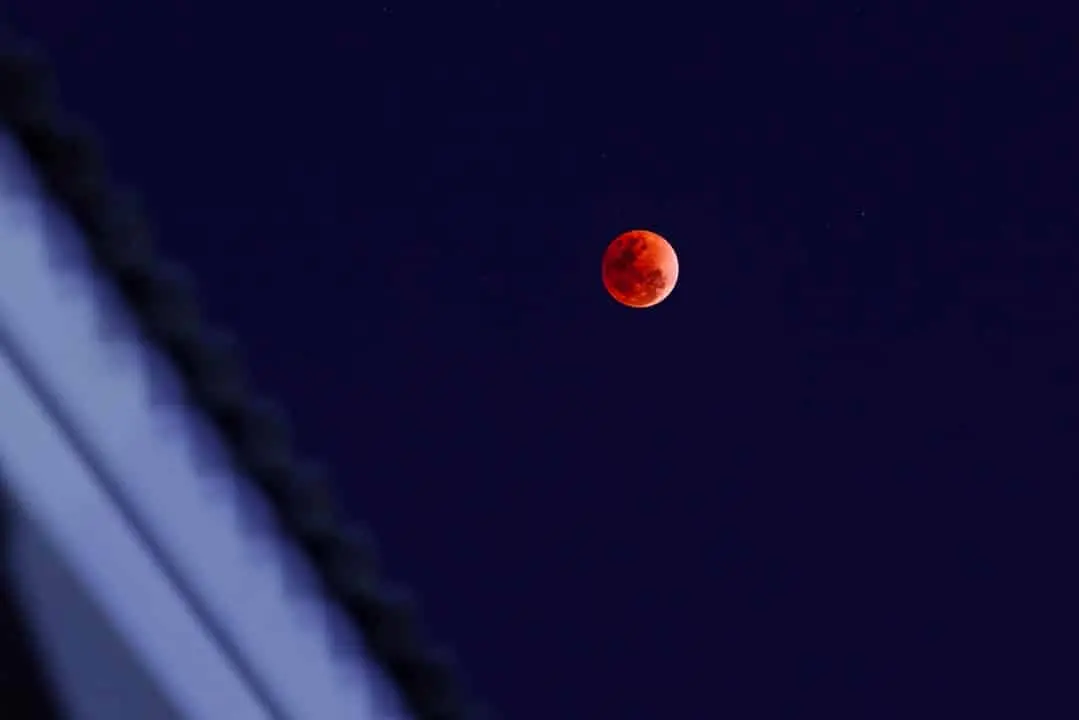
The total lunar eclipse observed on March 3 brought a striking red moon to observers in several regions of Japão, especially in the province of Miyazaki, where the phenomenon coincided with the celebration of Hinamatsuri, the girls’ festival. The moon did not completely darken during the total phase of the eclipse, displaying intense red tones that caught the attention of residents and were recorded in photos sent by spectators. Meteorologist Keiko Furuyama explained the reason for this characteristic color in an appearance on the local news, highlighting the refraction of sunlight through the Earth’s atmosphere.
The astronomical event took place on a clear night in locations such as Ayagawa, Nobeoka, Miyakonojo and Nichinan, allowing detailed captures of the moon in different phases. Contribuições of viewers arrived via local sky communication channels, including images sent by residents identified as Aika, Toshiaki Hidaka, Rukichi and “Junkan Ossan”. Essas photos showed variations in the red tone, influenced by specific atmospheric conditions on that date.
Why does the moon turn red during total eclipse
Sunlight reaching the moon passes through the edge of Terra’s atmosphere during the eclipse, when the satellite enters the planet’s shadow. Apenas red light waves can pass through this layer more easily, as blue and green light suffer greater dispersion. Esse process is identical to what occurs at sunset or sunrise, when the sky takes on reddish tones.
More on this story: Blood Moon delights observers with total eclipse this Tuesday, March 3
Keiko Furuyama detailed that the intensity of red depends on the amount of dust and particles in the atmosphere. In the March 3 eclipse, the tone was deeper compared to a previous event that occurred in September 2025, which had a reddish-orange color. Condições locations, such as pollution levels or aerosols, directly affect the observed hue.
Observations recorded in Miyazaki
Residents of the province sent several images that captured the moon at its maximum eclipse point. The photos revealed details of the lunar surface illuminated only by refracted light, creating a unique visual spectacle. The meteorologist highlighted the emotion of sharing the same sky in different places at the same time.
Learn more: Total lunar eclipse on March 3, 2026 reveals atmospheric selenelion lasting 58 minutes of totality
The phenomenon attracted interest because it coincided with Hinamatsuri, a tradition that celebrates girls and includes themed decorations. The red moon added a natural element to the nighttime festivities in several Japanese cities.
See Also



Comparison with previous and upcoming eclipses
The March eclipse showed a stronger red due to specific atmospheric factors, unlike the one observed in 2025. Eventos like this occur periodically, but each one varies in appearance depending on the air conditions at the time the light passes.
The next total lunar eclipse is scheduled for January 1, 2029. Observadores can prepare to record the phenomenon again, considering that variations in the atmosphere continue to influence the color of the moon.
On the same topic: Blood moon delights observers in the Americas, Asia and Oceania in total eclipse
Atmospheric mechanism details
During the total phase, the moon is in the umbra, the central region of the Earth’s shadow, blocking direct sunlight. Refraction in the stratosphere allows indirect solar rays to reach the satellite. Esse natural filter selects longer wavelengths, resulting in a reddish appearance.
Experts reinforce that the phenomenon does not involve changes in the moon itself, but rather in the interaction of light with the planet’s gaseous layer. Condições global climate conditions, such as recent volcanic eruptions, may intensify the effect on future eclipses.
The observation of March’s total lunar eclipse demonstrated once again how simple astronomical events reveal everyday physical processes in the atmosphere. Fotos and shared explanations helped spread understanding of the phenomenon among the public.
The event reinforced interest in amateur astronomy in regions of the Japão, with more people recording night skies on special dates.