

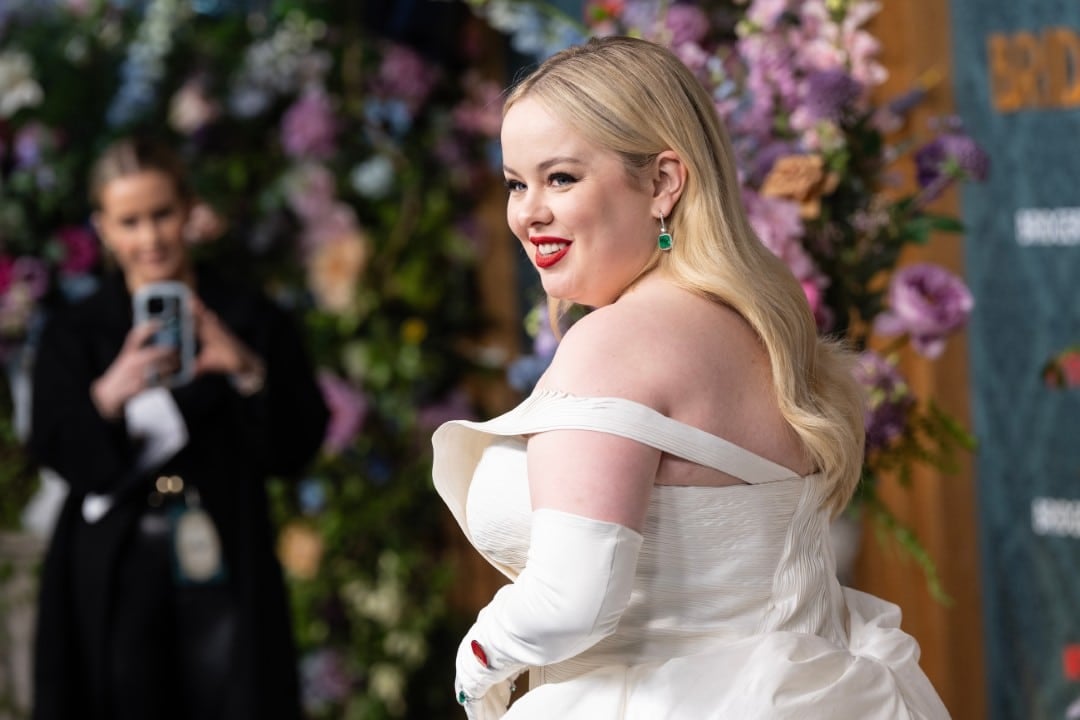
Irish actress Nicola Coughlan, known for her role as Penelope in Bridgerton, has expressed frustration with constant comments about her body. In a recent interview, she highlighted that she lost significant weight before filming intimate scenes in the third season of the Netflix series. Coughlan explained that focusing on her appearance reduces the value of her work as an actress. Ela mentioned that despite exercising intensely, she was still labeled as plus size by viewers and media.
This statement comes amid the continued success of Bridgerton, which explores themes of romance and society in the Regency period. Coughlan, aged 39, emphasized that he is not interested in discussions about body positivity. Segundo her, the topic is irrelevant to her career and personal passions. The actress recalled uncomfortable experiences, such as approaches from fans who directly commented on her body in public.
Comments about his weight loss gained prominence after the airing of scenes with his colleague Luke Newton, who plays Colin Bridgerton. Coughlan revealed that he wore smaller-sized clothes during filming, which contrasted with external perceptions. Essa revelation reinforces debates about beauty standards in the entertainment industry, where actors often face scrutiny over their physical shape.
Actress’s reactions to imposed labels
Nicola Coughlan described it as bizarre to be considered plus size even after losing considerable weight. Ela pointed out that, during recording, her clothing size was equivalent to 38, but the public insisted on categorizing her in a stereotypical way. Essa perception, according to the actress, reflects broader problems in female representation on screen. Coughlan argued that the excessive focus on bodies distracts from the talent and dedication involved in production.
The actress’s frustration extends to personal interactions, such as meeting a fan in a public bathroom. The fan praised Bridgerton specifically for Coughlan’s body, which made her feel uncomfortable and anxious. Essas situations illustrate how celebrities deal with appearance-related invasions of privacy. Coughlan reiterated that he prefers to discuss creative aspects of his work rather than debates about body image.
Impact of scenes in Bridgerton on career
The intimate scenes of the third season marked a high point in the narrative of Penelope and Colin. Coughlan prepared physically for the role by incorporating regular exercise into her routine. Essa preparation was essential to feeling confident during filming, but it ended up generating unwanted discussions about her body. The actress highlighted that the effort invested in the series goes beyond appearance, involving months of dedication away from her family.
Bridgerton, produced by Netflix, continues to attract global audiences with its romantic plots and elaborate visuals. Coughlan, who also starred in Derry Girls, has built a versatile career in comedy and drama. Sua performance in Bridgerton received praise for bringing emotional depth to the character. However, scrutiny over her weight has overshadowed some of that recognition, leading her to question industry standards.
Coughlan’s weight loss occurred specifically for the demands of the role, with no intention of promoting body changes as an ideal. Ela compared his experience to other actors facing similar pressures, emphasizing the need to focus on artistic content. Essa approach reflects a growing trend among entertainment professionals who reject superficial narratives about appearance.
Context of the interview and controversial statements
In conversation with a specialized publication, Coughlan stated that he is not interested in body positivity as a personal flag. Ela explained that, as a child, he did not analyze actors’ bodies, prioritizing stories and performances. Essa view irritates some, but the actress argues that the issue belongs to other activists. Coughlan prefers to engage in causes that truly motivate her, such as social rights and inclusive narratives.
The body positivity statement sparked debate online, with opinions divided between supporters and critics. Alguns see their position as refreshing, while others interpret it as a lack of interest in representation. Coughlan clarified that their reluctance does not diminish the importance of the topic, but reflects individual priorities. Essa nuance adds layers to the discussion about how celebrities deal with public expectations.
The actress also touched on how the plus-size label surprised her, considering her actual physical shape. Ela questioned why average-sized women are seen as exceptions on screen. Essa reflection points to inequalities in the audiovisual industry, where body diversity is still limited. Coughlan used the example to illustrate how distorted perceptions affect professionals.
Discomfort with personal comments, like that of the drunken fan, highlighted the human side of celebrities. Coughlan described the moment as mortifying, reinforcing the desire for privacy. Essas personal anecdotes enrich the understanding of how fame impacts everyday life.
Physical preparation and filming challenges
Coughlan revealed that he stepped up his workouts for the Bridgerton scenes, reducing his clothing size from a size 40 to a size 38. The change was practical, aimed at comfort and confidence in the intimate sequences. However, the public reacted by focusing on the body rather than the performance. The actress lamented that months of work are reduced to discussions about appearance, calling it boring and reductive.
The demands of romantic roles often involve rigorous physical preparations. Coughlan compared her experience to colleagues facing similar scrutiny, noting double standards for women. Essa preparation included fitness routines adapted to the filming schedule, balancing health and professional demands. The result was an authentic performance, but the weight backlash overshadowed artistic achievements.
Career evolution and iconic roles
Since Derry Girls, Coughlan has built a trajectory marked by versatility. Em Bridgerton, Penelope evolves from supporting character to protagonist, mirroring the actress’s growth. Sua rejection of body labels reinforces an image of a professional focused on talent. Coughlan mentioned that he prefers discussing scripts and directors rather than debates about fitness.
The series Bridgerton, set in the 19th century, addresses modern themes such as female empowerment. Coughlan contributes to this narrative with an intelligent and resilient Penelope. Sua weight loss, although personal, was integrated into character development. The actress emphasized that physical changes serve the story, not external agendas.
Bridgerton achieved record ratings, with seasons exploring cultural and romantic diversity. Coughlan, as part of the cast, helped expand on-screen representation. Sua recent statement about body highlights tensions between fame and privacy, encouraging reflection in the industry.
Industry debates about representation
Coughlan’s stance on body positivity resonates with broader conversations in entertainment. Atrizes like her face expectations of being spokespeople, but many opt for an artistic focus. Essa choice challenges norms, promoting discussions about personal limits. Coughlan argued that labels like plus size limit perceptions, reducing actors to physical characteristics.
Studies indicate that body diversity improves audience engagement, but pressures persist. Coughlan cited examples of colleagues who deal with similar criticism, reinforcing solidarity. Sua weight loss, motivated by health and role, is not intended to endorse unrealistic standards. Essa transparency humanizes celebrities, showing vulnerabilities.
- Women on screen often receive more scrutiny about appearance than men.
- Authentic representations, as in Bridgerton, help normalize varied bodies.
- Debates about weight impact actors’ mental health, according to industry reports.
- Initiatives for inclusion are growing, but challenges remain in mainstream productions.
Coughlan’s Perspectives on Fame and Privacy
Coughlan expressed a desire for his work to be evaluated on artistic merit, not appearance. Ela recalled that, in Derry Girls, the focus was on humor and characters, without bodily distractions. Essa comparison illustrates changes with the success of Bridgerton. The actress argues that fame does not require engagement in all social issues.
Interactions with fans, although positive, can cross boundaries when involving the body. Coughlan described the bathroom incident as an example of invasive discomfort. Essas experiences shape how celebrities interact publicly, prioritizing well-being. Sua recent statement serves as a reminder to respect privacy.
Coughlan’s contributions to female narratives
In Bridgerton, Penelope represents intelligence and independence, themes dear to Coughlan. The actress praised the script for exploring female vulnerabilities without stereotypes. Sua physical preparation was integrated into this narrative, adding realism. Coughlan highlighted that romance with Colin emphasizes emotional connection, not appearance.
The series influences cultural trends, promoting discussions about love and society. Coughlan, as the protagonist, contributes to the visibility of Irish actresses. Sua rejection of body labels inspires other professionals, encouraging a focus on talent.
Reflections on beauty standards in the media
Coughlan questioned why average sizes are seen as exceptional on screen. Ela argued that real diversity benefits stories and audiences. Sua Weight loss, although noticeable, does not define your career. The actress emphasized that personal health differs from external pressures, promoting balance.
Debates about the body in Hollywood evolve, with more voices rejecting reductive narratives. Coughlan joins this chorus, prioritizing authentic passions. Sua recent interview reinforces the need for change, focusing on qualitative content.



