

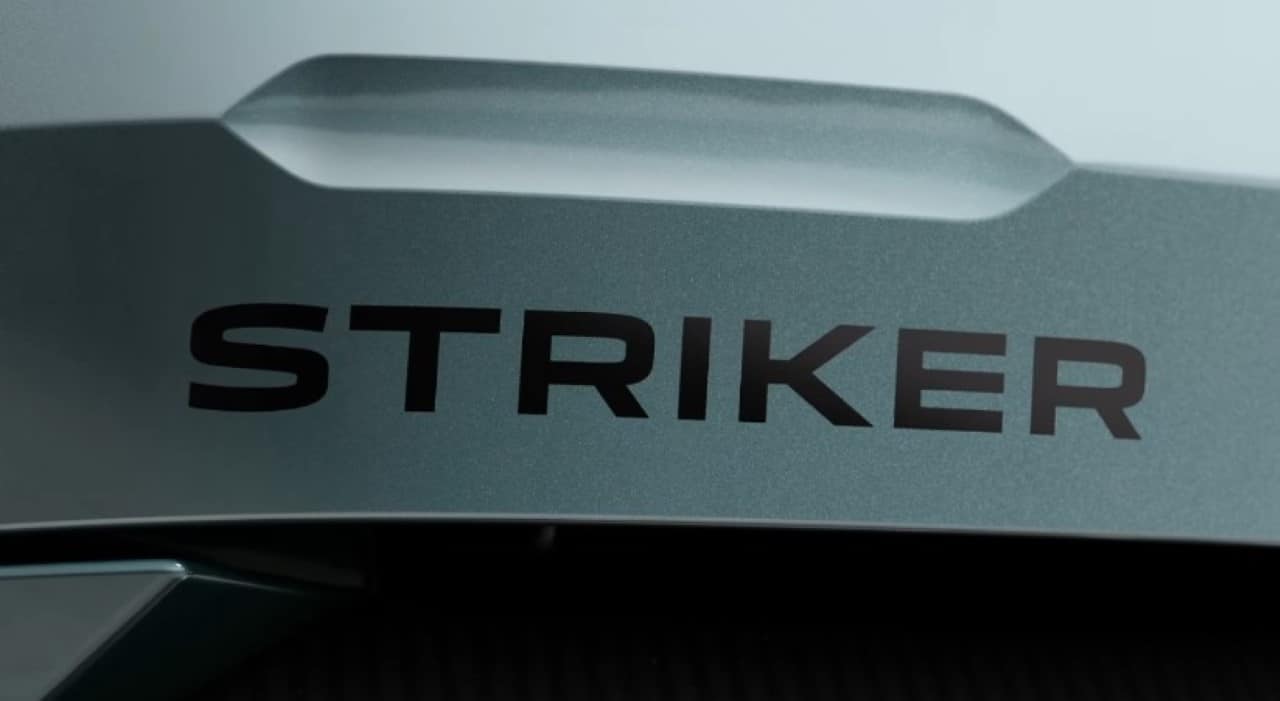
Dacia Striker, family crossover, automotive market, CMF-B platform, hybrid cars
European manufacturer Dacia has scheduled the global presentation of its latest automotive project for March 10th, commercially named Striker. The unprecedented vehicle will enter the intense competition in the C segment, bringing an innovative architectural proposal that merges the renowned functionality of a traditional station wagon with the robust aesthetics of current sports utility vehicles. The strategy aims to capture an audience that demands maximum versatility in daily use.
Engineering planning focused specifically on meeting the demands of large families, who prioritize the useful volume of the cabin and ease of access to the interior. The automaker sought to deliver a higher driving position, ensuring the necessary visibility for both intense urban traffic and long-distance road trips. Rear passenger comfort received special attention during chassis development.
Strategically positioned in the brand’s portfolio, the car will use the CMF-B modular platform, widely recognized in the industry for its rigidity and adaptability. Essa structural base facilitates the implementation of highly efficient propulsion systems, ensuring dynamic performance suitable for the varied conditions of everyday use. The architecture also allows for the adoption of advanced active and passive safety technologies.
Market strategy and commercial positioning
The introduction of the new model into the global automotive market places the manufacturer in direct competition with brands already established in the European family segment. The central proposal consists of attracting consumers who are looking for an equipment package focused on practical utility, eliminating superfluous electronic components that tend to drastically increase the final value at dealerships. With a total length of four meters and sixty centimeters, the body was meticulously sculpted to maximize internal use. The design guarantees a superior level of comfort for all occupants, in addition to offering a cargo capacity in the trunk that exceeds the average found in conventional compact utility vehicles currently available in showrooms.
The use of the CMF-B base generates a significant competitive advantage behind the scenes of production, allowing large-scale sharing of mechanical parts and electronic modules with other vehicles in the same automotive group. Essa rigorous standardization of industrial processes acts directly to contain manufacturing costs, without compromising at any time the torsional rigidity or structural safety of the car. The aggressive pricing tactic will be maintained as a fundamental pillar of the brand, delivering a highly attractive cost-benefit ratio for consumers who need generous horizontal space to transport bulky luggage, but wish to maintain the imposing appearance characteristic of a modern sports utility vehicle.
Visual identity and external elements
The exterior design of the project adopts the automaker’s new aesthetic language, highlighting the redesigned emblem on the front grille and an optical set with exclusive LED light signatures. The body features were designed by specialized teams to move the vehicle away from the conservative image of old station wagons, conveying a visual sensation of durability and resistance for severe daily use.
Reinforcing the adventurous appeal of the new



